How many times have you picked up a cleaning product, soap or air freshener and read the words, ‘natural fragrance’?
What exactly does it mean when a product is advertised with natural fragrance?
Whenever you see the words, ‘made with natural fragrances’, you should always approach with caution. Natural fragrance or fragrance oil is not essential oil and does not mean derived from natural ingredients.
Fragrance oils, or ‘natural fragrances’ that are referred to on many types of perfumes, cleaning products, soaps and candles are comprised of synthetic formulas and lab created to mimic essential oils or they can be a mixture of natural oils as well as synthetic oils. During the production process of natural fragrances, a specific job of the perfumer is to produce a scent that replicates a natural smell synthetically. This literally involves mixing various type of chemicals until the right scent is created. The end result is something that almost smells natural but is actually far from being natural.
What’s the alternative to synthetic (natural) fragrances?
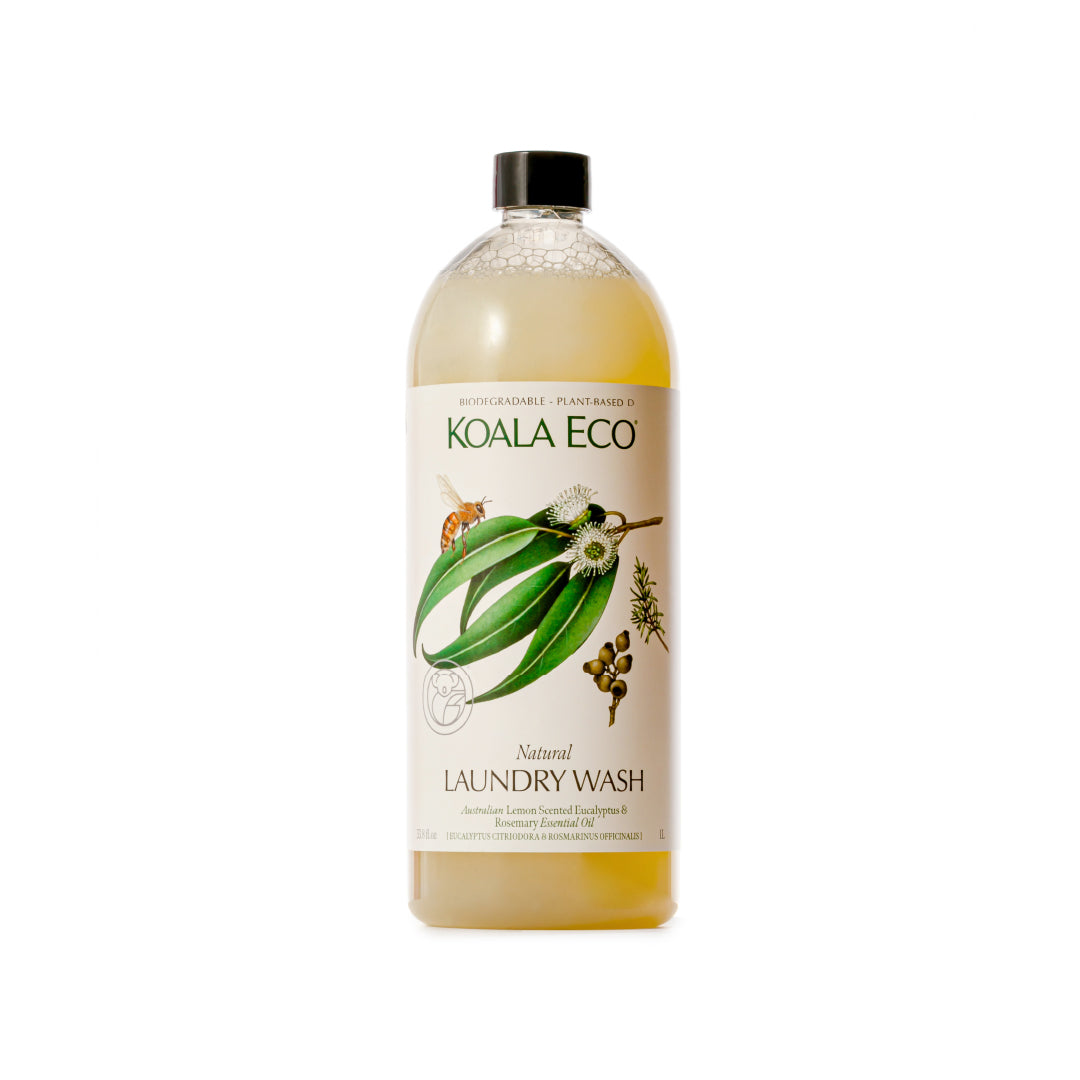
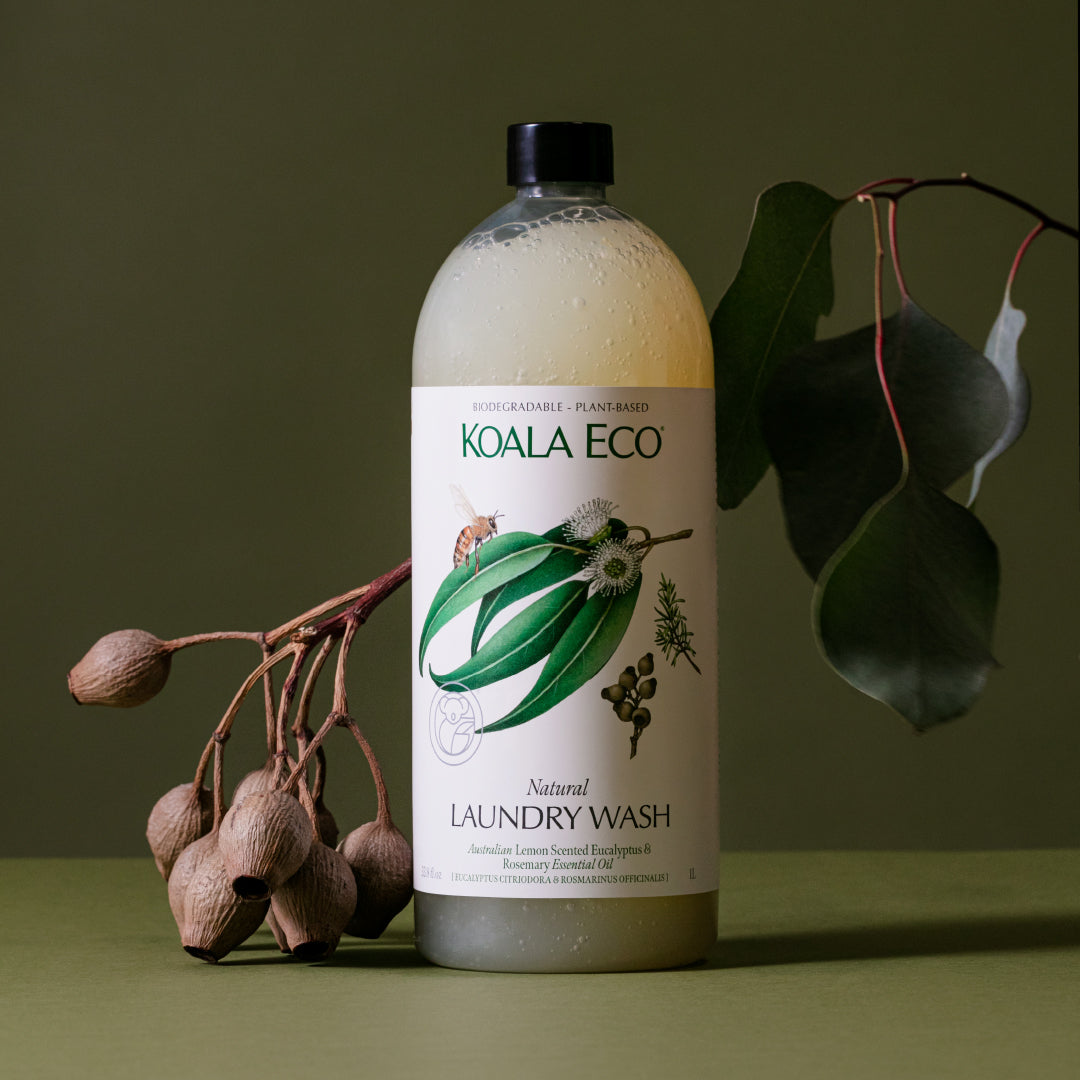
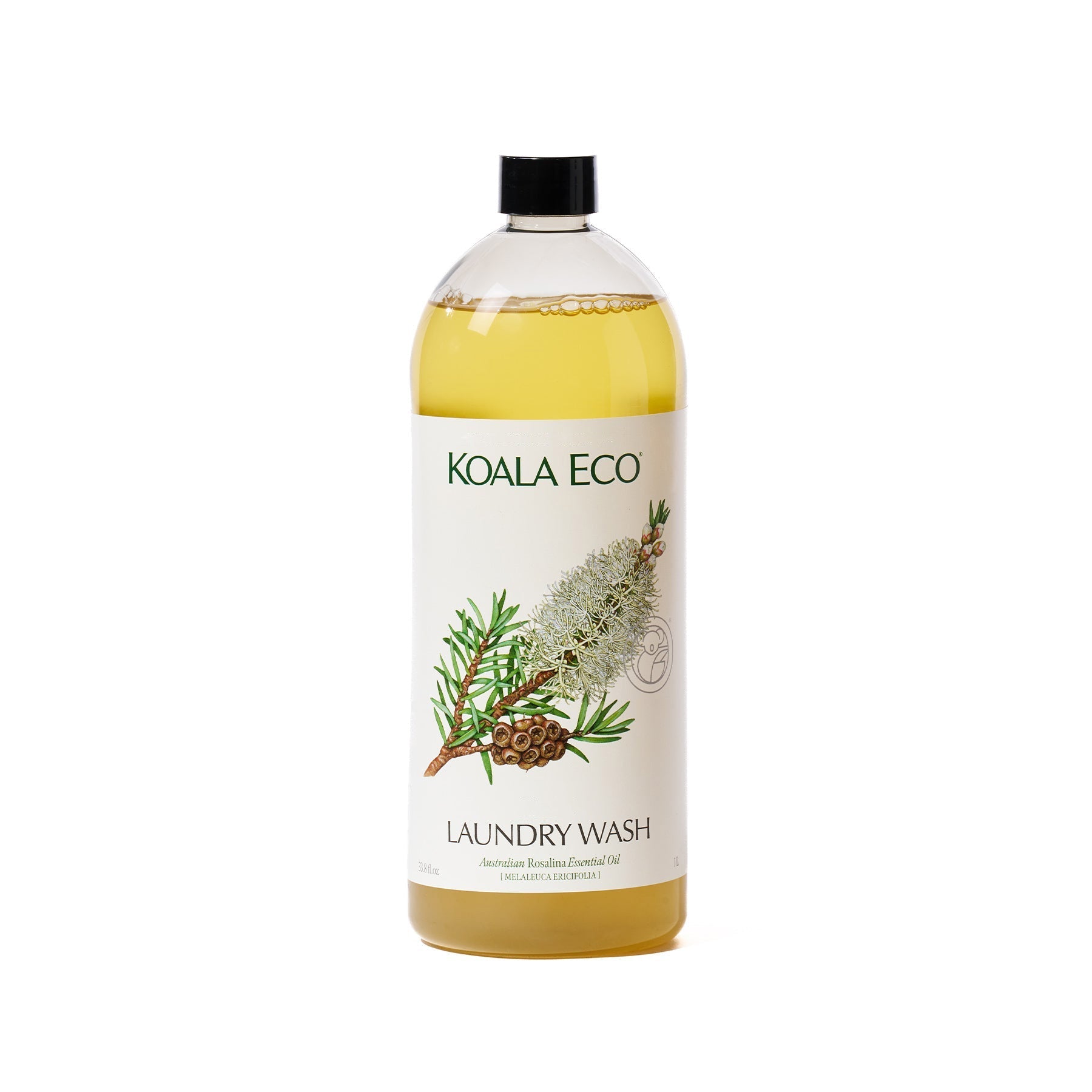
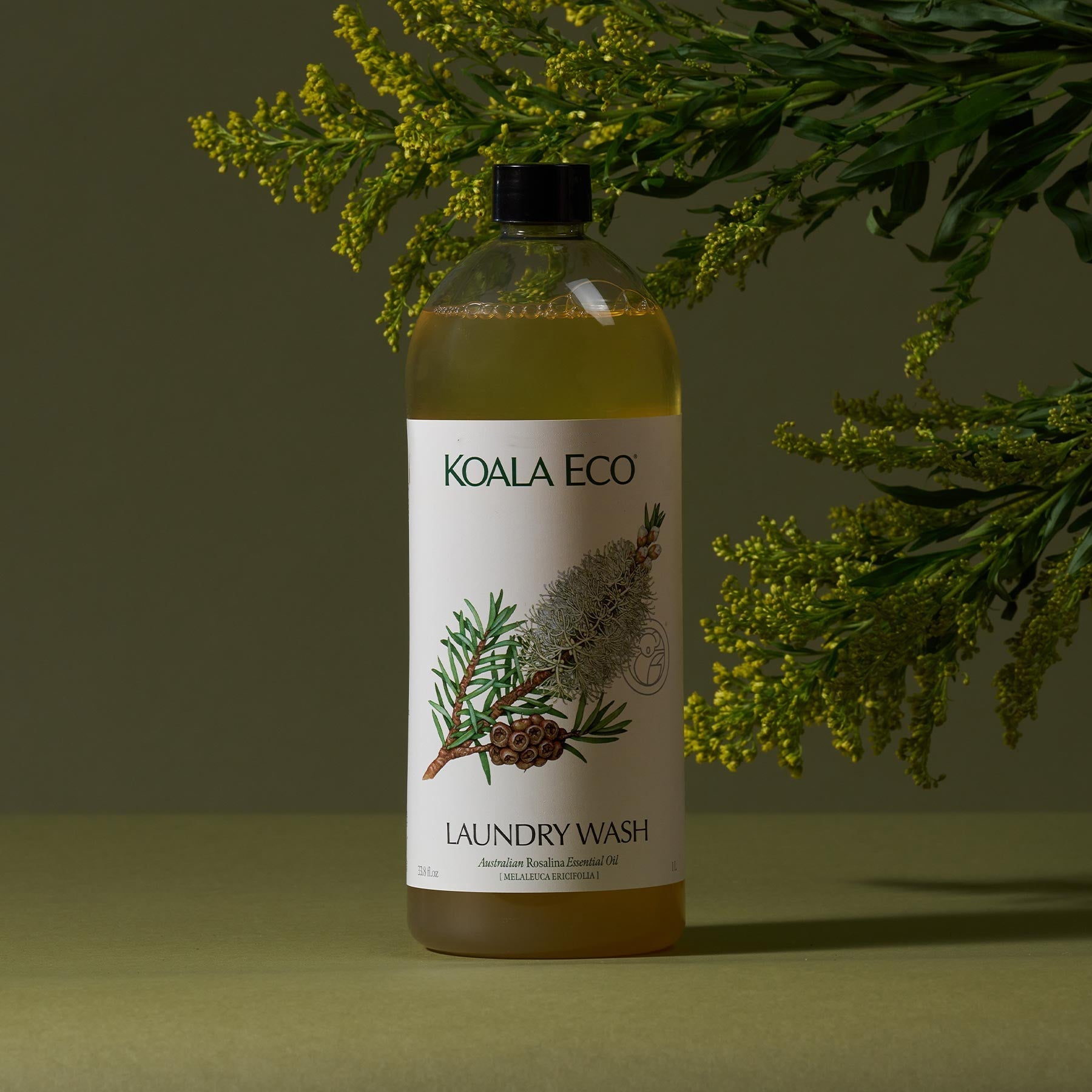
If you’re after a scent which is derived from natural sources, look no further than essential oils. Essential oils are the natural oils extracted from various types of plants. They can come in the form of a liquid or resin and are later used to produce a highly concentrated and completely natural essential oil. The parts of the plant where these oils are separated from can vary. For example, they may come from the leaves, flowers, bark, berries, seeds or even the roots of the plant.
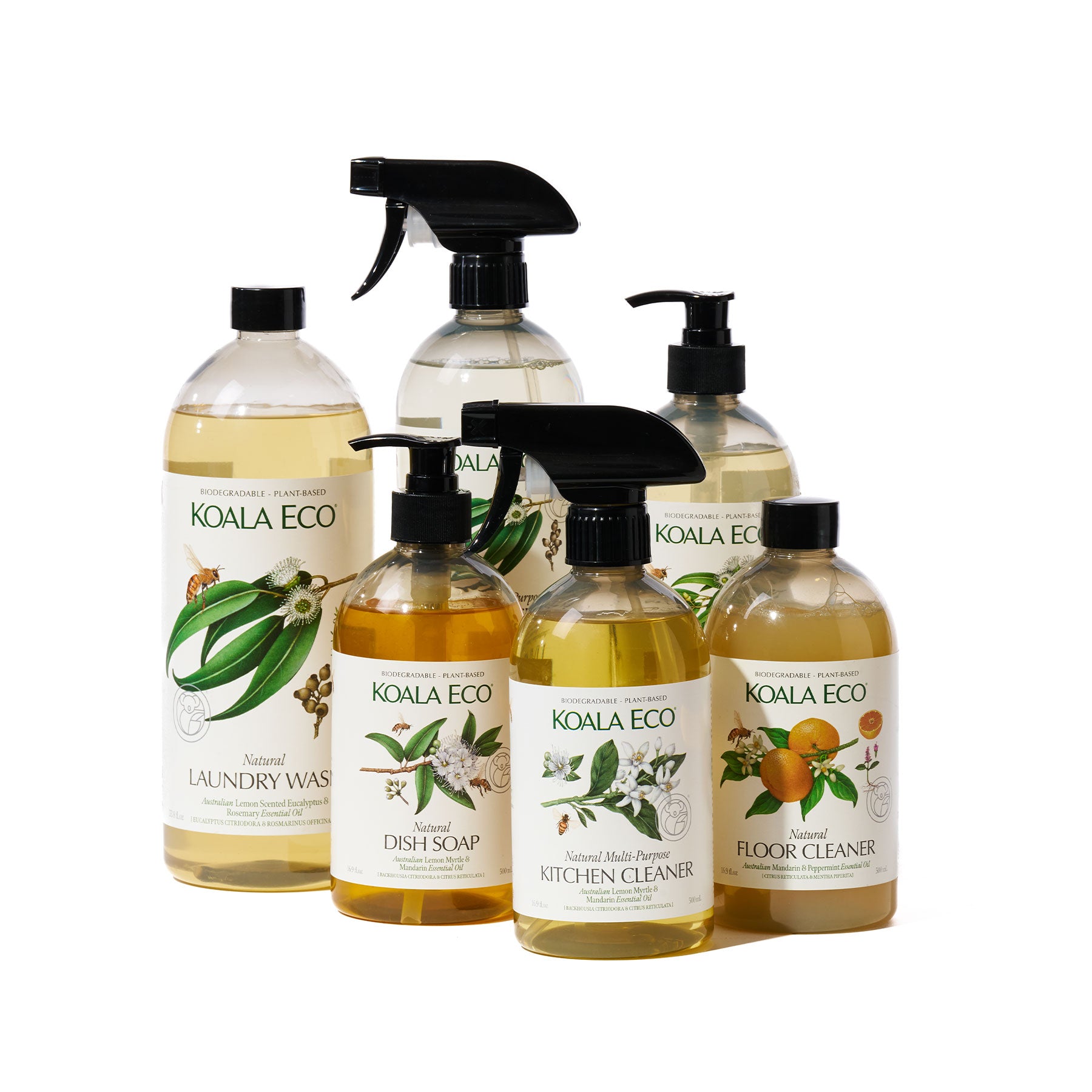
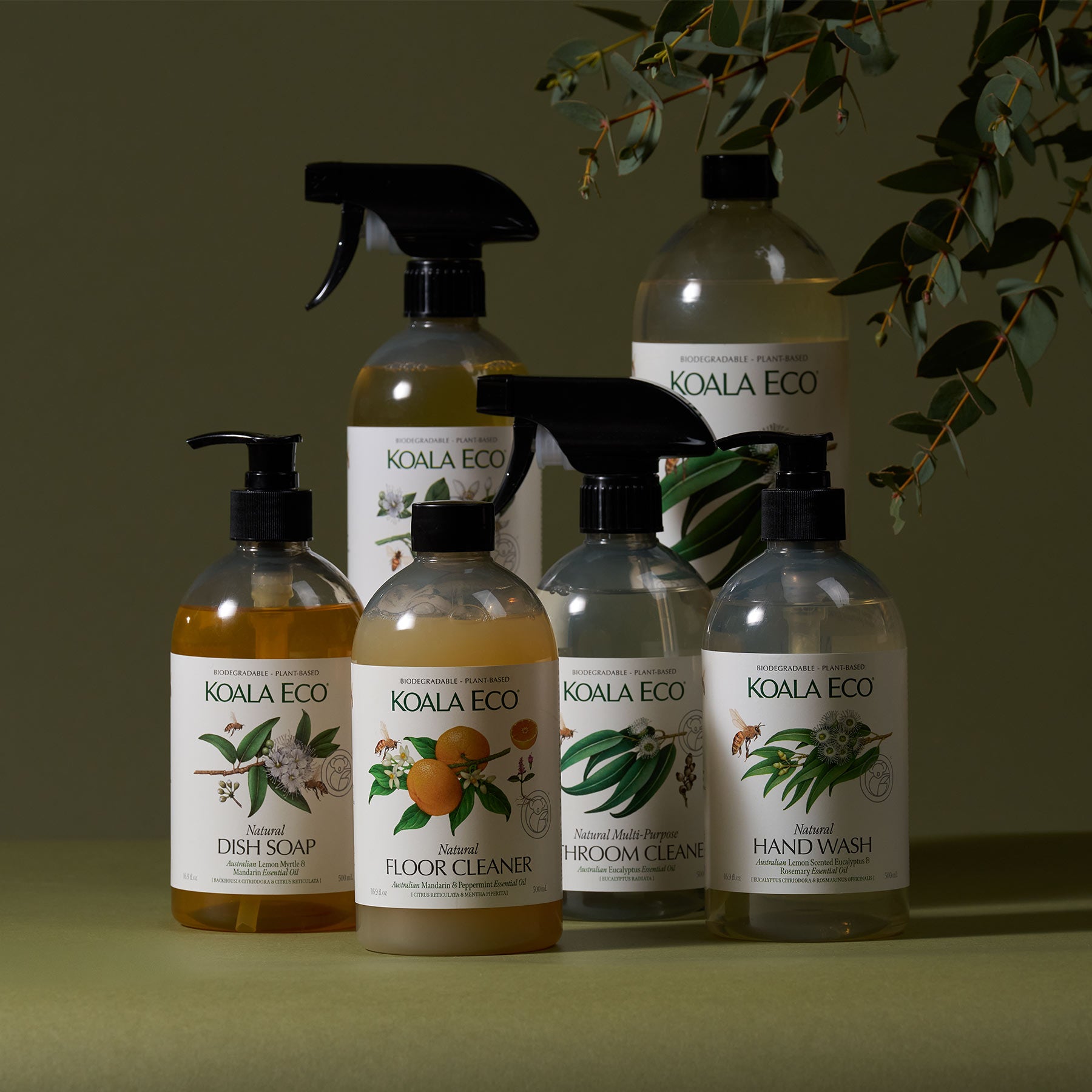
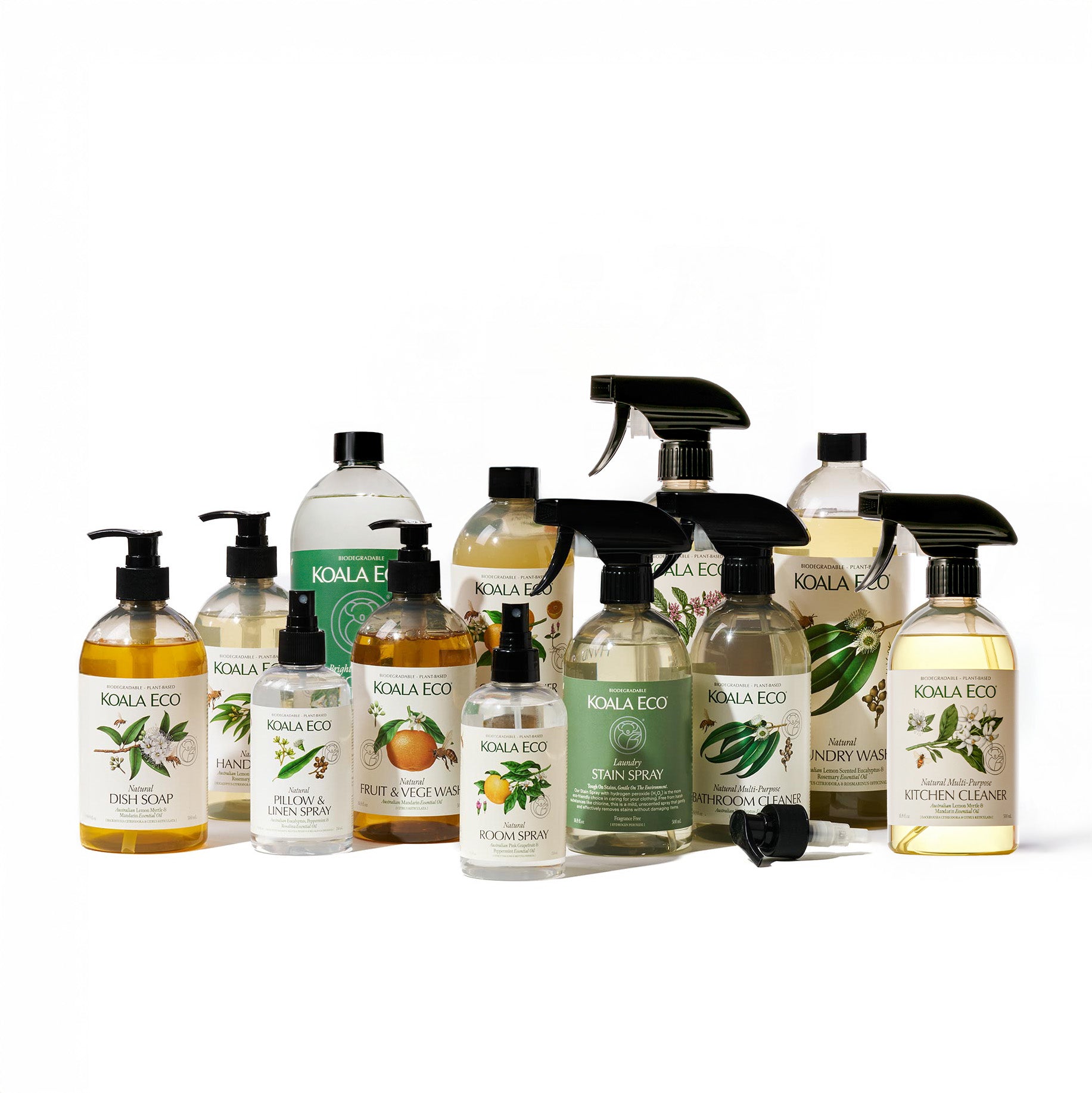
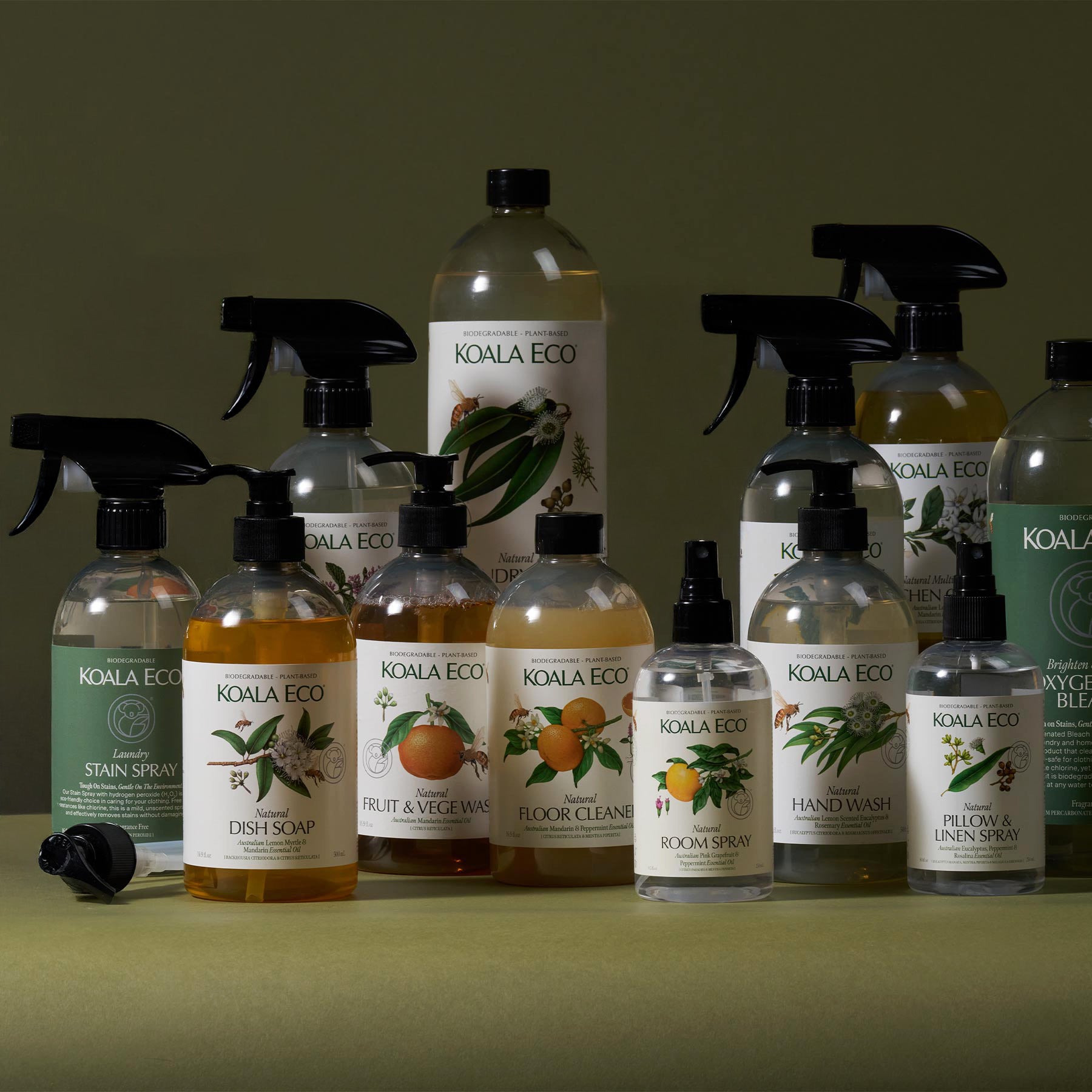
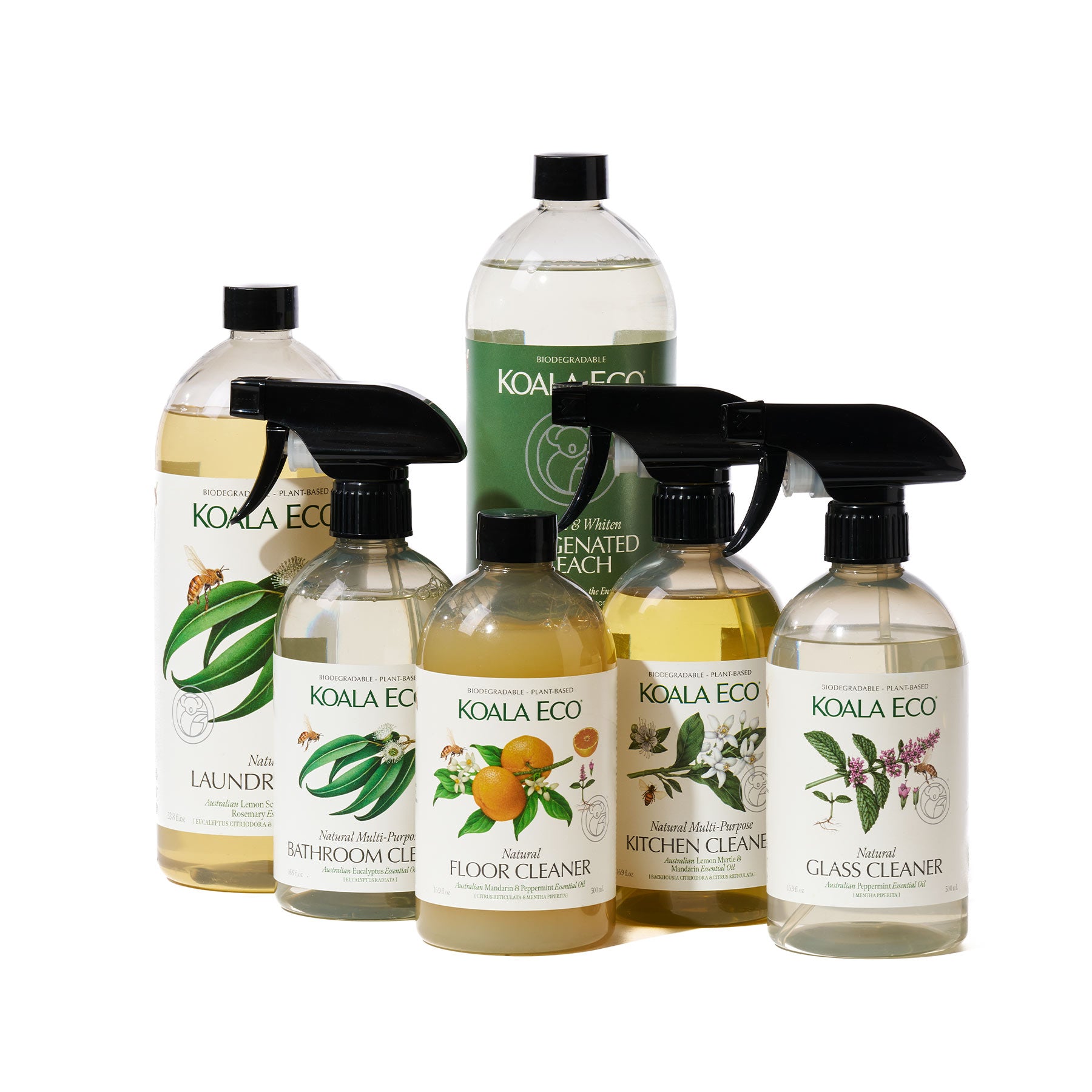
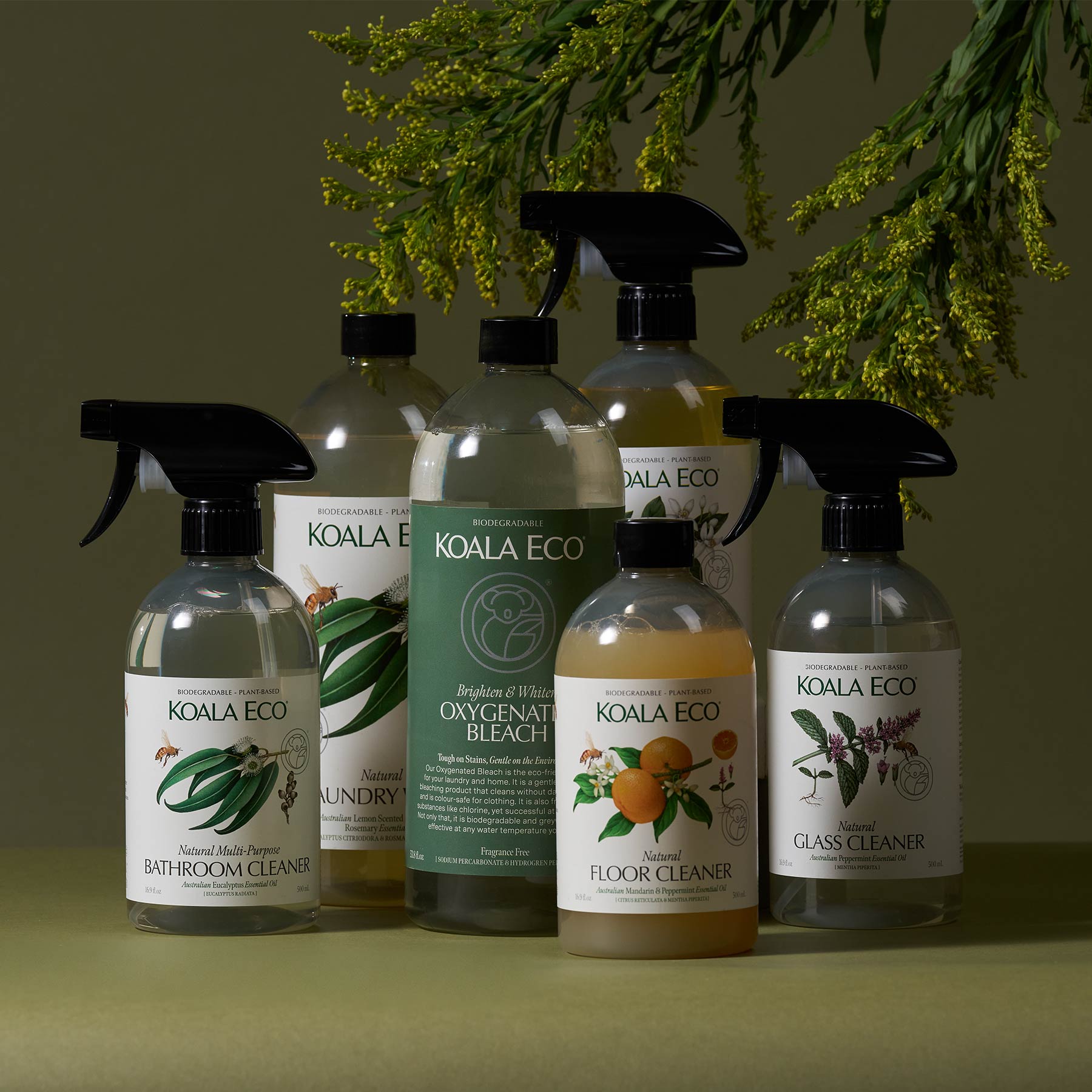
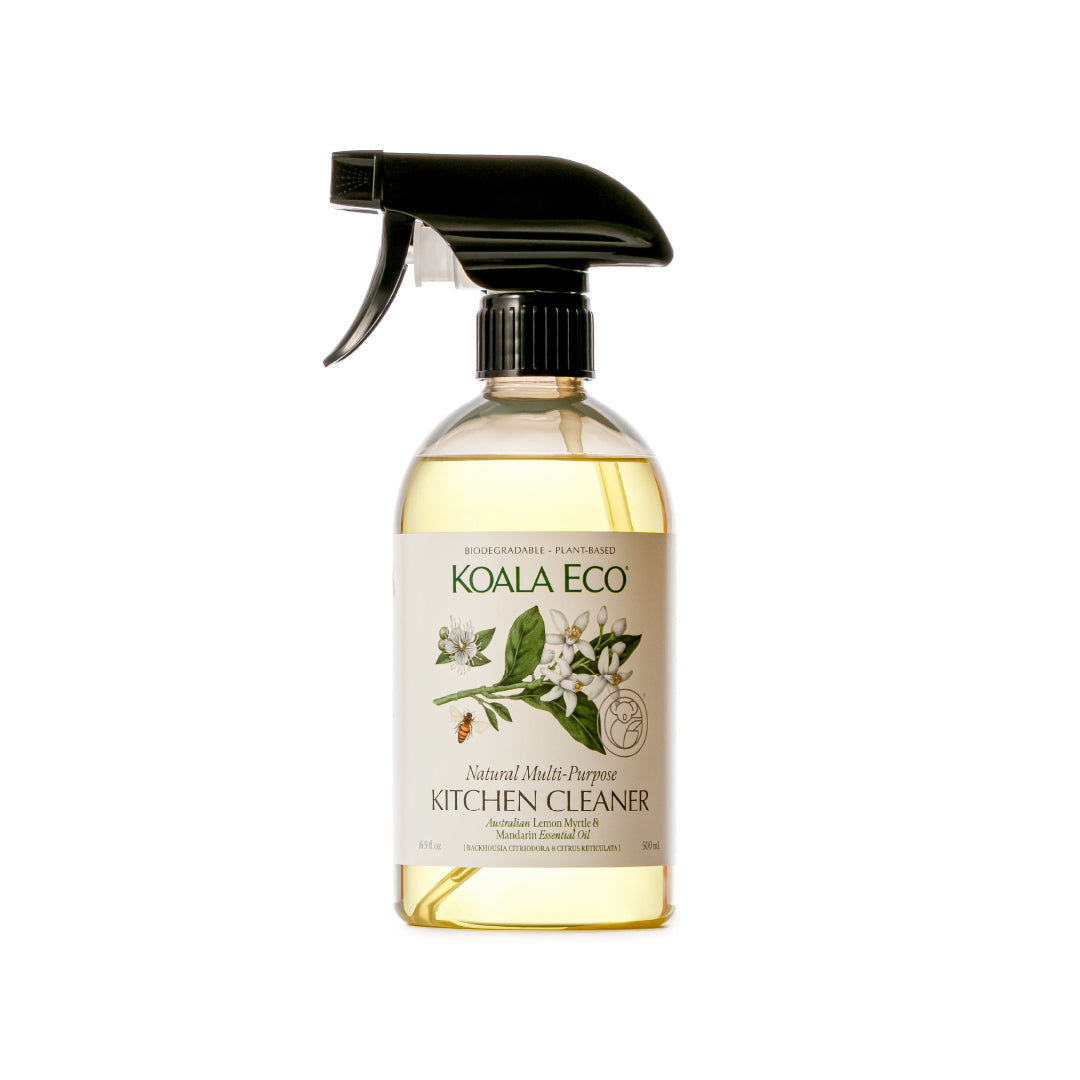
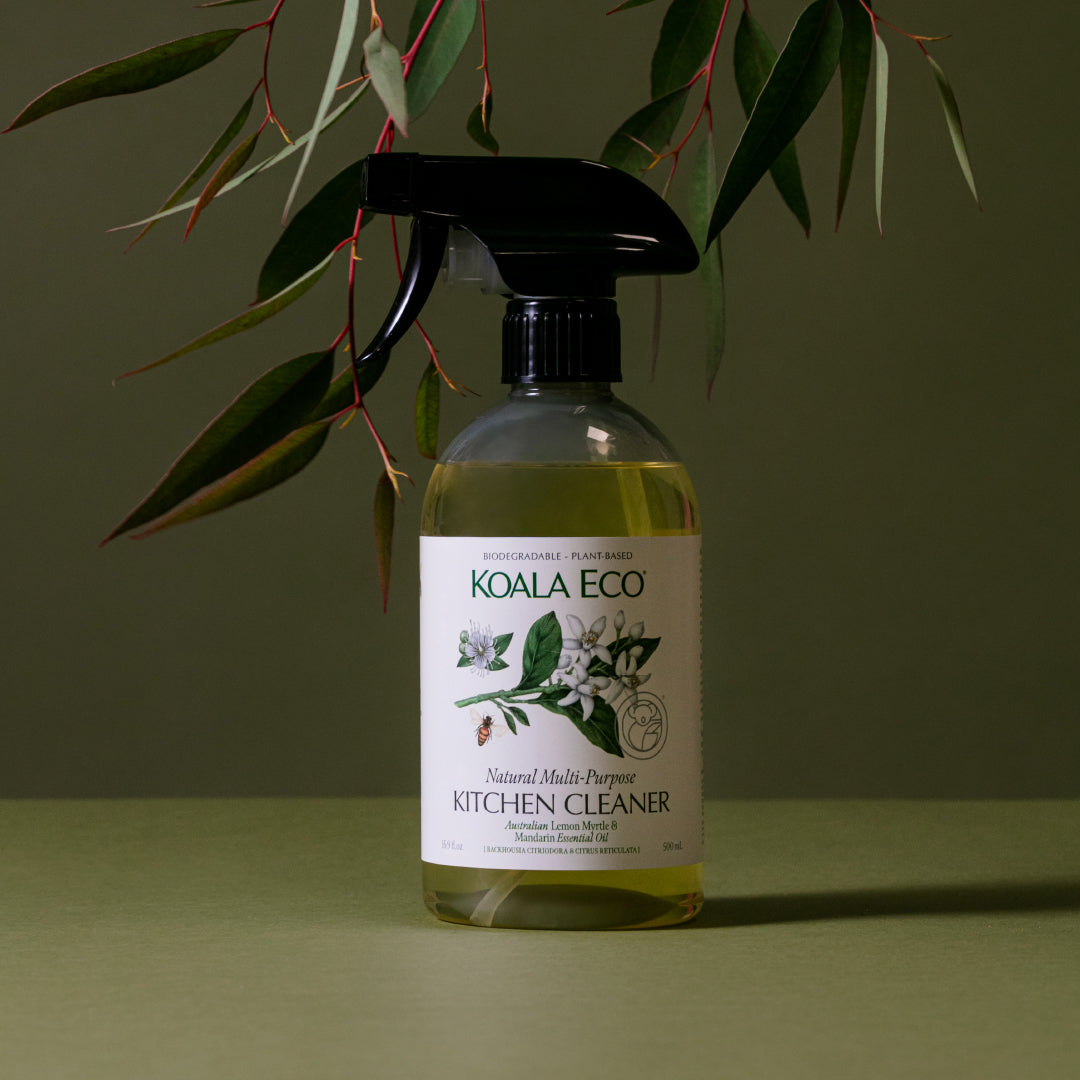
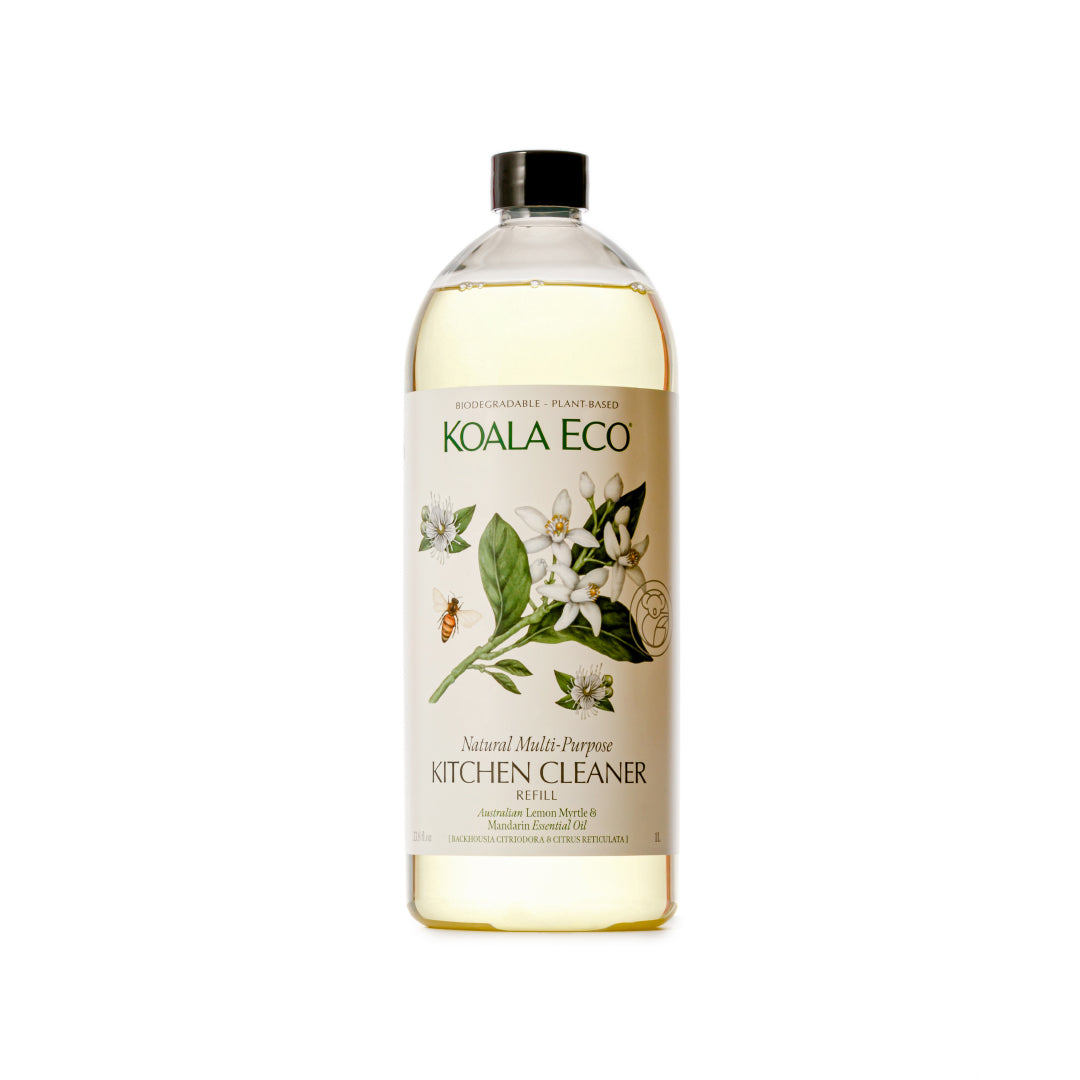
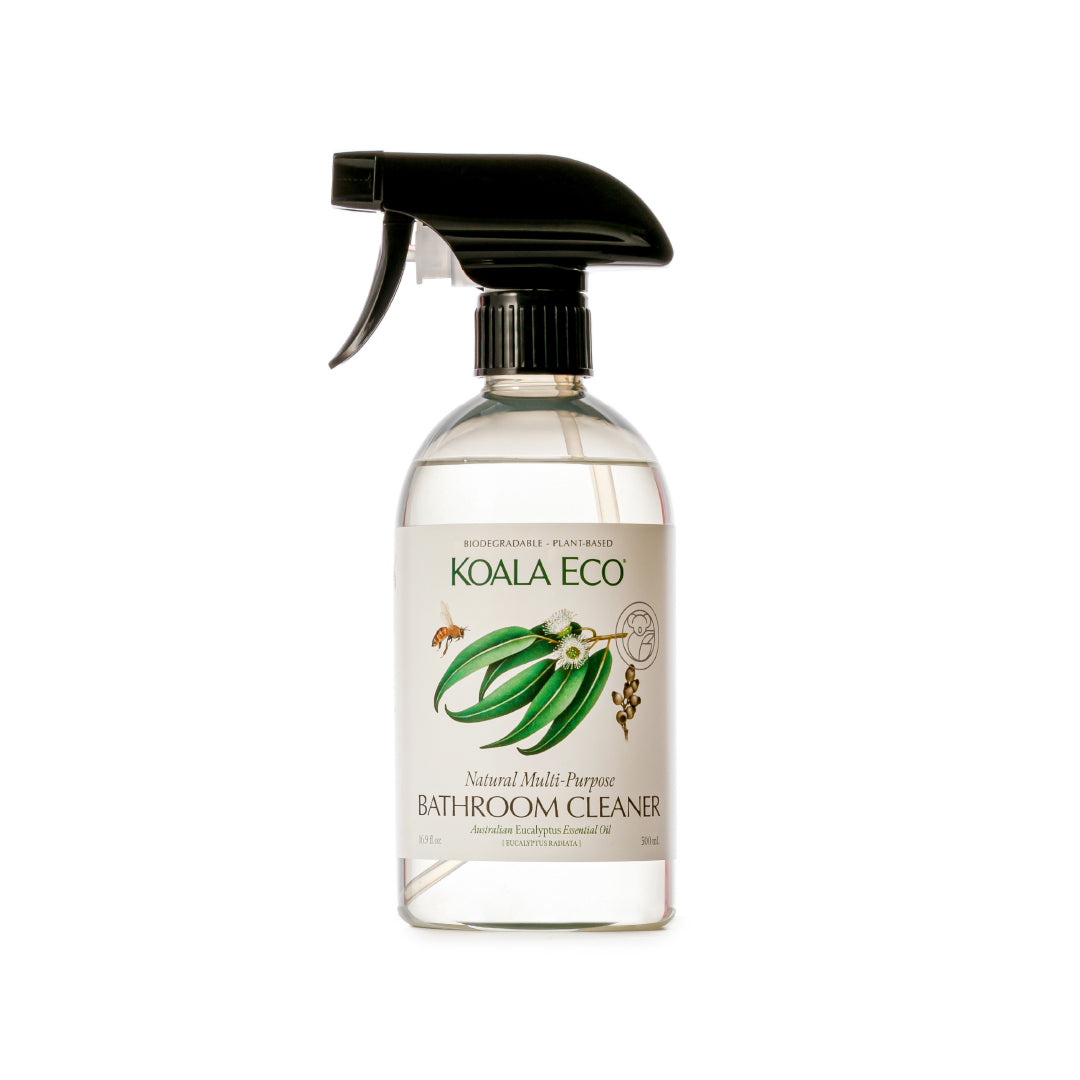
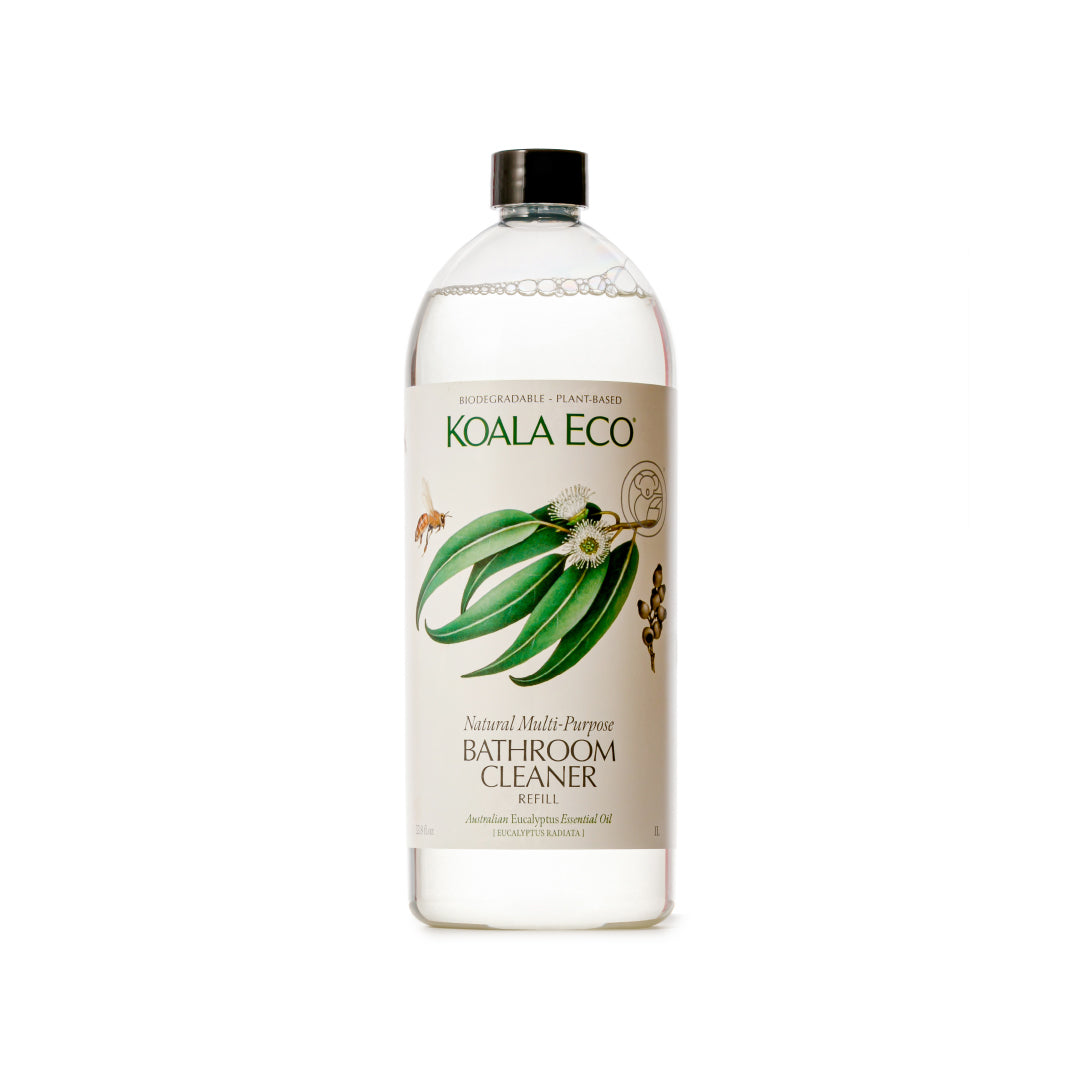
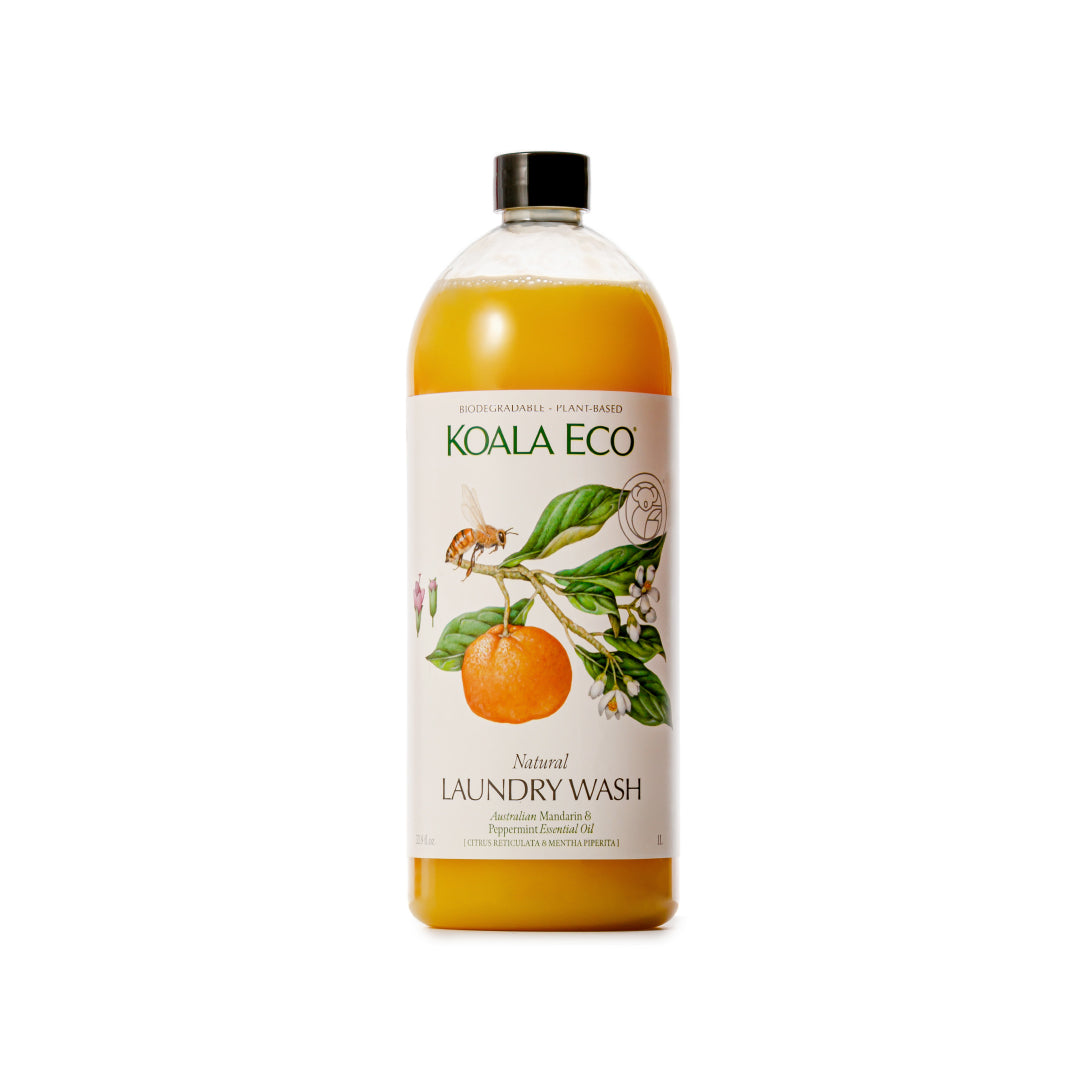
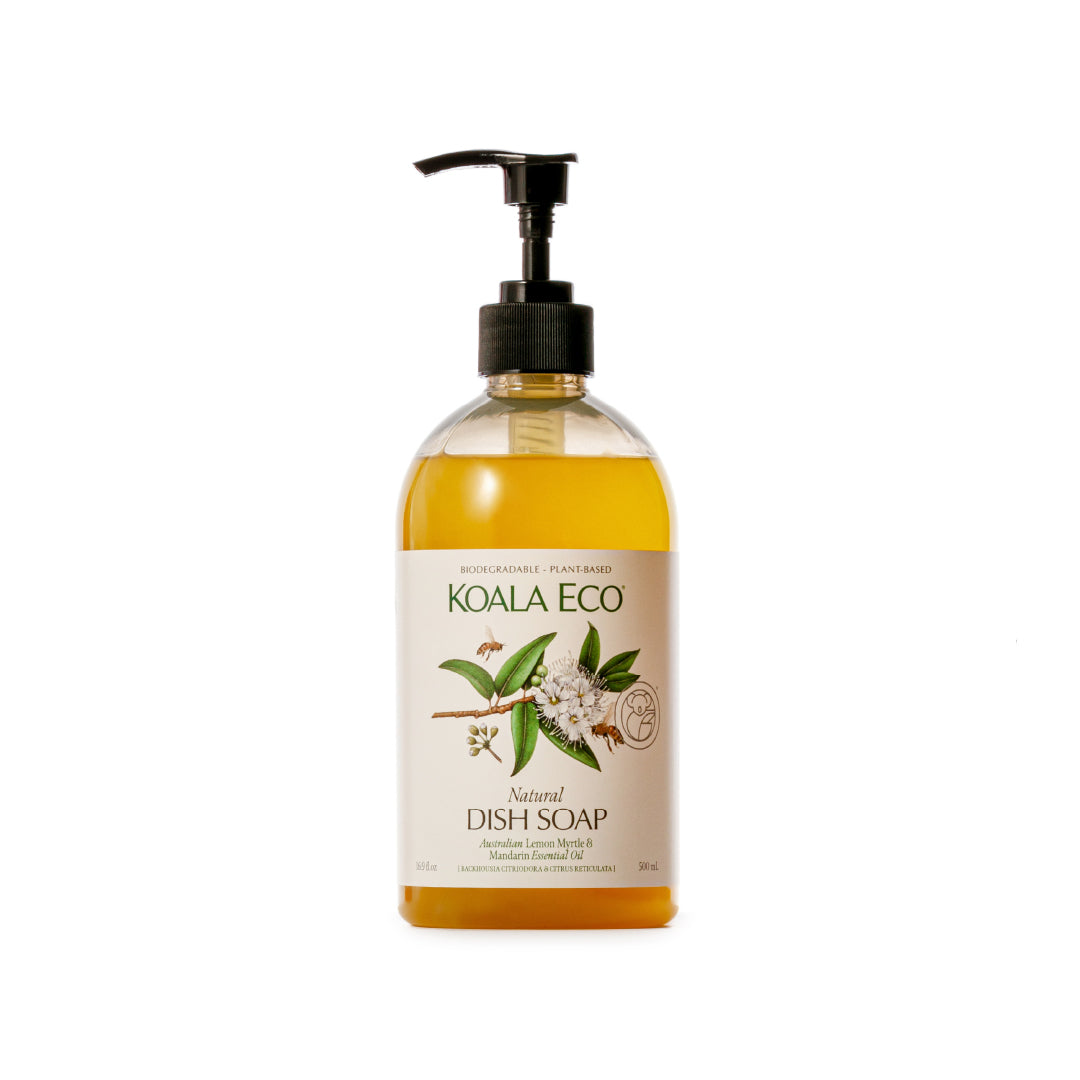
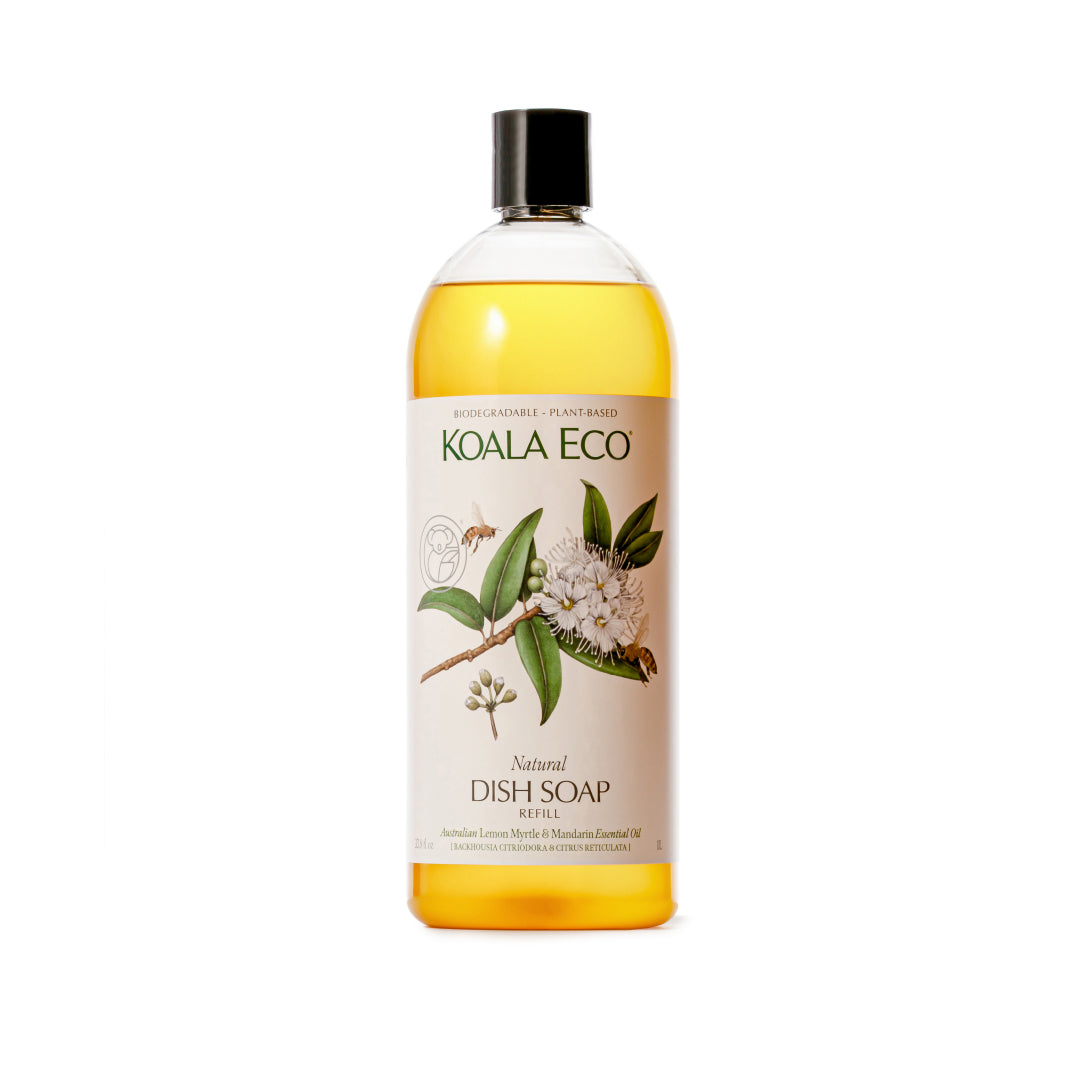
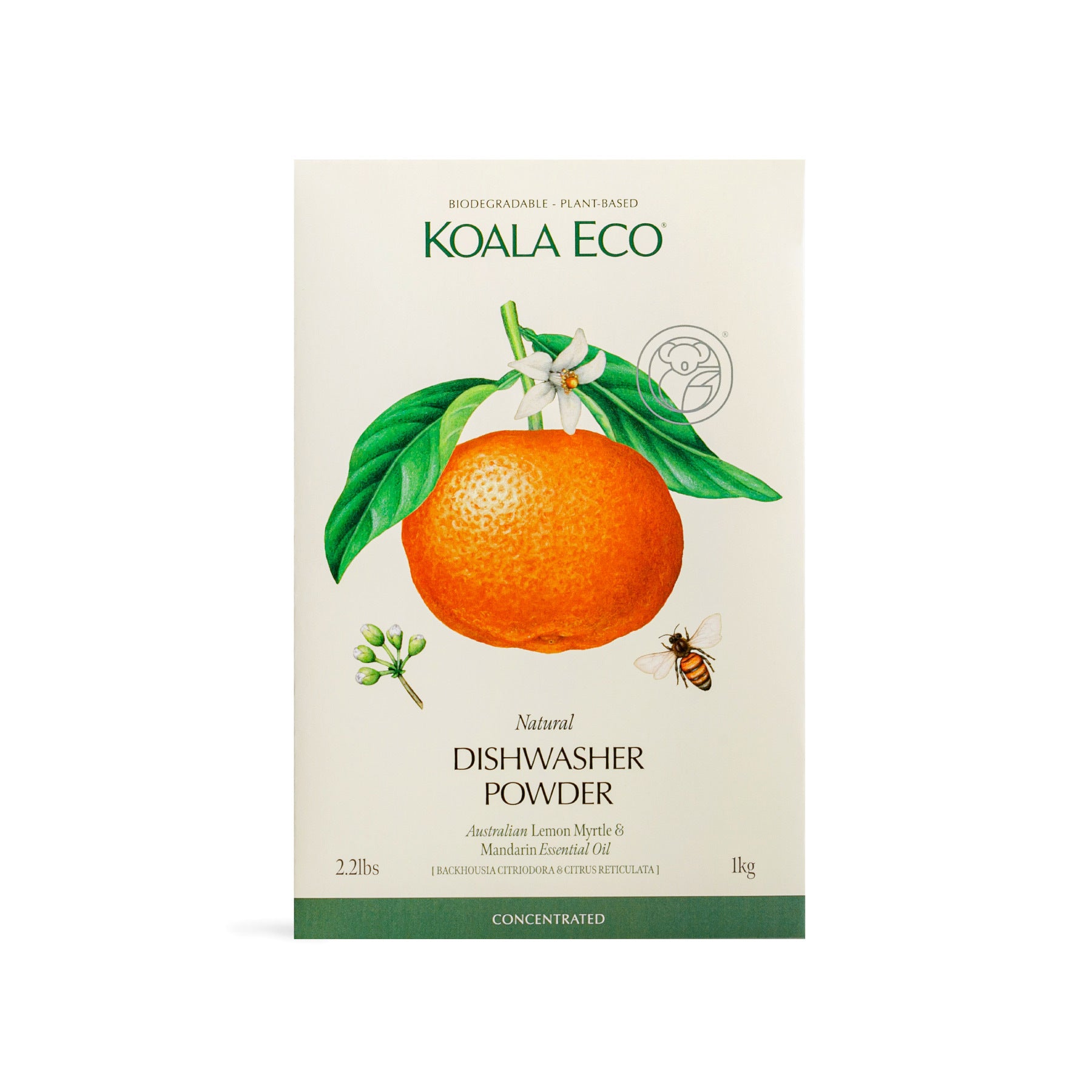
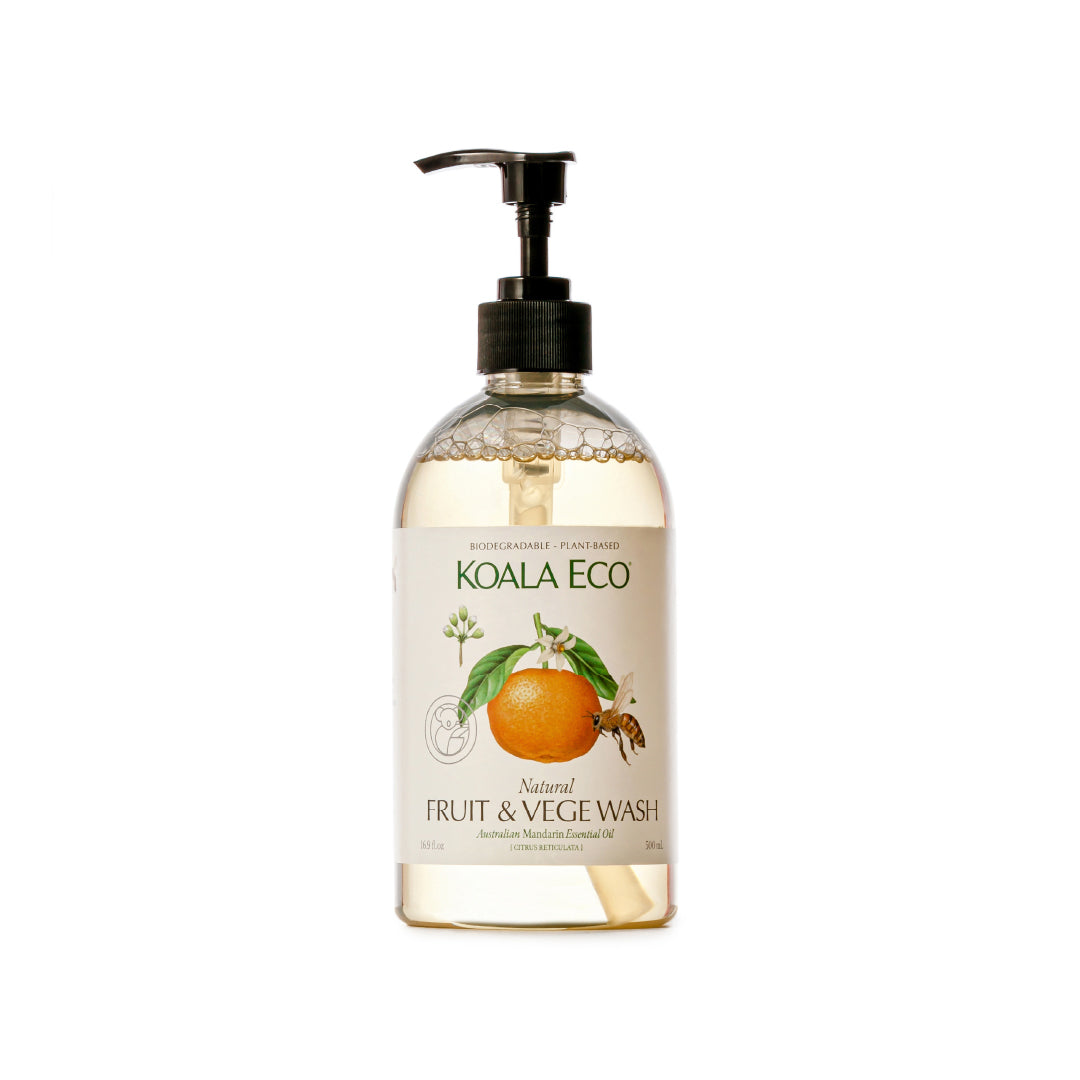
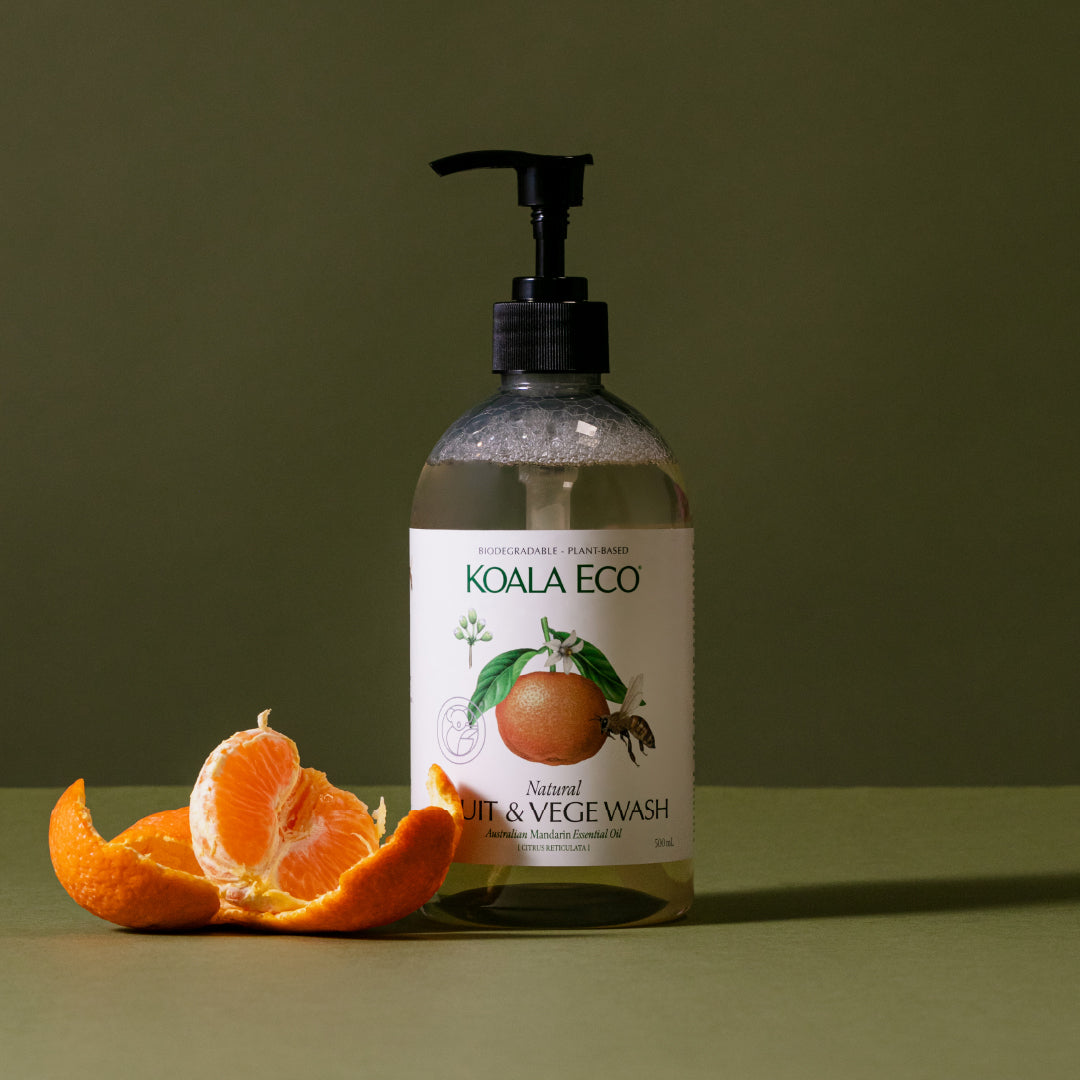
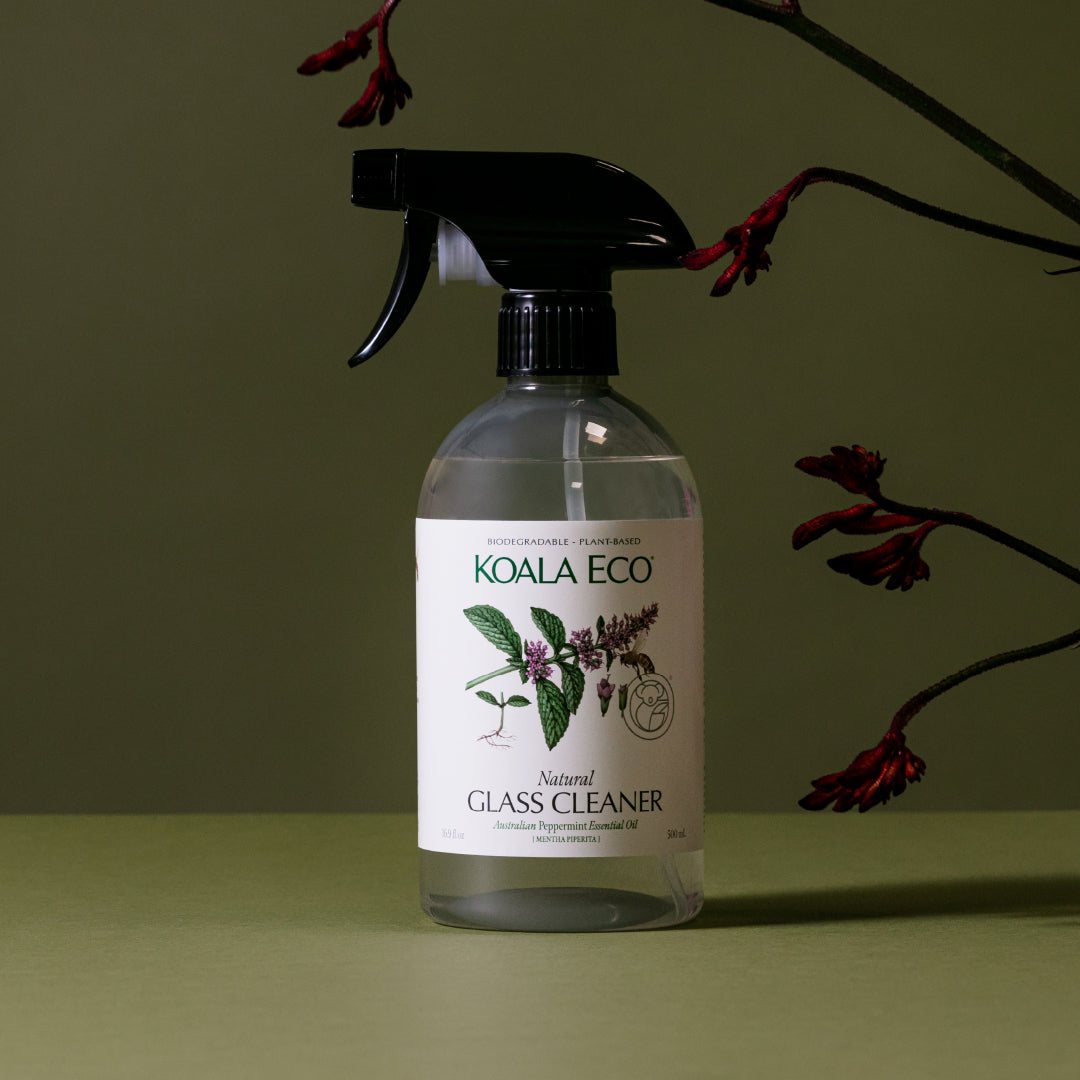
To see how KOALA ECO is incorporating essential oils in our eco-friendly, non-toxic cleaning products, feel free to read our ‘ingredients’ page (https://koala.eco/pages/our-ingredients).
So now you know the difference between essential oils and natural fragrances, it’s time to make a more informed decision the next time you purchase a cleaning product or perfume. Don’t be fooled by the pretty pictures and misleading text that many companies use. If you’d like to learn more about the benefits of using essential oils in everyday cleaning products, try reading our article on What Are Essential Oils In Cleaning Products and Why Should We Be Using Them? (https://koala.eco/blogs/news/what-are-essential-oils-in-cleaning-and-why-should-we-be-using-them-more)