Here’s what our skin has to say about water temperature
As the largest organ of the body, our skin is also among our most precious of assets. It protects us, regulates our body heat, communicates how we’re feeling through blushing or goose bumps, and it is also the means through which we feel the pleasure (or discomfort) of touch, pain, temperature and pressure.
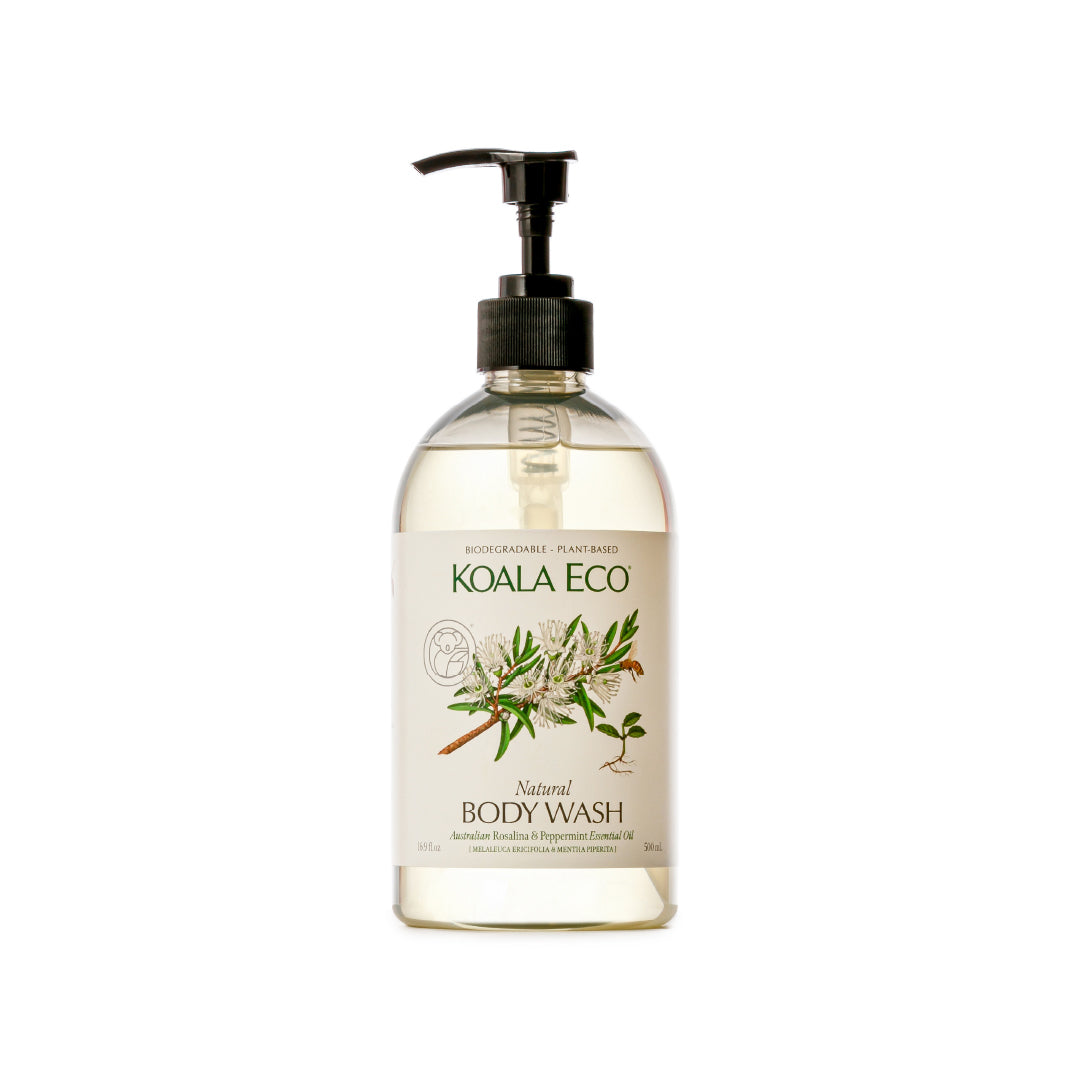
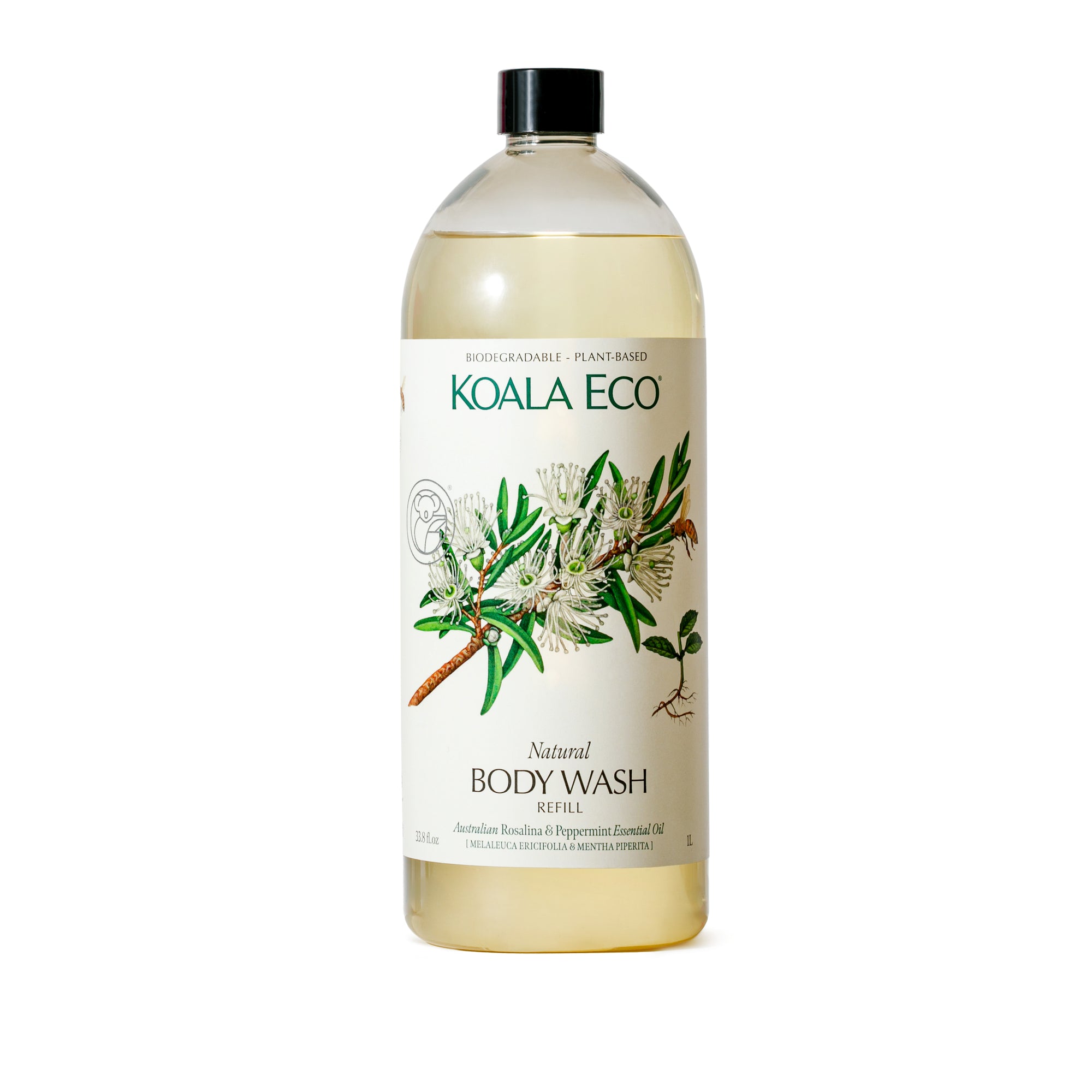
Using natural, non-allergenic products to wash and moisturise is one of the best ways to care for skin, and Koala Eco body washes and hand and body lotions are safe for all ages and even the most sensitive, including for people who have conditions like dermatitis and eczema.
But how often do we think about the effect of water temperature? Dermatologists agree that ‘hot water, especially when combined with soaps that contain fragrances and harsh ingredients, may damage the outermost layer, known as the skin barrier.’[1] Too hot, and the skin will dry out too much, weakening the skin barrier, and raising its pH level, which can lead to infections. According to researchers at Australia’s James Cook University, water that’s too hot can also ‘activate the release of cytokines (inflammatory molecules), histamines (which are involved in allergic reactions), and increase the number of sensory nerves. All of this can lead to itchiness after a very hot shower or bath.’[2]
So it’s best to stick to lukewarm water, and save the heat for a treat every once in a while (because a hot shower can certainly help soothe sore muscles, and there’s no doubt it feels good). Always moisturise afterwards, into still-damp skin if possible, to help absorption.
What about cold water? Generally, the benefits far outweigh the disbenefits, however, Professor Adam Taylor of UK’s Lancaster University cautions that cold water ‘has been shown to be less effective at removing and breaking down sebum and other detritus on the skin, compared to warmer water, which means body odour will persist.’[3] It can also cause the skin to tighten. Professor Taylor says ‘this might potentially trap sebum and dirt within the pores. This can lead to blackheads, whiteheads and acne. But warm or lukewarm water can help dissolve and loosen material in the pores.’
So there we have it. Plant-based washes and moisturisers and less aggressive water temperatures are the way to go. And did you know? The skin that’s most sensitive to hot and cold … is on our buttocks.
[1] ‘Are Hot Showers Bad for Your Skin and Hair?’ https://www.nytimes.com/2024/11/12/well/are-hot-showers-bad.html
[2] ‘What actually happens to my skin when I have a really, really hot shower or bath?’ https://theconversation.com/what-actually-happens-to-my-skin-when-i-have-a-really-really-hot-shower-or-bath-257900
[3] ‘Why taking a cold shower on a hot day might be a bad idea’ https://theconversation.com/why-taking-a-cold-shower-on-a-hot-day-might-be-a-bad-idea-259074