(And to Start Choosing Essential Oils)
Most resolutions begin with subtraction: less sugar, less stress, less clutter. But one of the most meaningful subtractions you can make this year is almost invisible—until you start looking for it everywhere. The single-word fragrance appears on labels with a kind of unearned authority, as if it’s a precise descriptor. It isn’t. It’s a placeholder, a loophole, a veil. And it’s one of the most common ways synthetic chemicals find their way into homes that are otherwise curated with care.
This year offers an invitation—not to fear what’s on our shelves, but to read our shelves more closely. To ask for more specificity, more transparency, more truth in the air we live in. And to reclaim scent not as a marketing device, but as a deeply human, biological experience that connects us to the natural world.
Fragrance: The Word That Tells You Nothing
“Fragrance” is legally permitted to represent hundreds of undisclosed ingredients. The word was designed as a catch-all to protect proprietary blends, but in practice it obscures information people deserve. It doesn’t tell you what the scent is derived from, how those molecules behave in your home, or how your body responds to them.
In a culture trying to make more conscious choices, fragrance has become the quiet contradiction in the cupboard. We purge processed foods, choose cleaner beauty, filter our water—but we still spray, wash, wipe, and launder with ingredients we’re not allowed to fully see.
The irony is that many people reach for these products because they want their homes to feel healthier and more harmonious. Yet the scent designed to create that feeling may be doing the opposite.
Essential Oils: The Scent of Something Real
Essential oils are not simply “nice smells.” They are complex botanical compounds shaped by soil, season, and sunlight—alive with the aromatic chemistry plants use to defend, restore, and regenerate. When we use genuine essential oils, we benefit from this integrity. The scent has a source. The molecule has a story. The experience has an anchor.
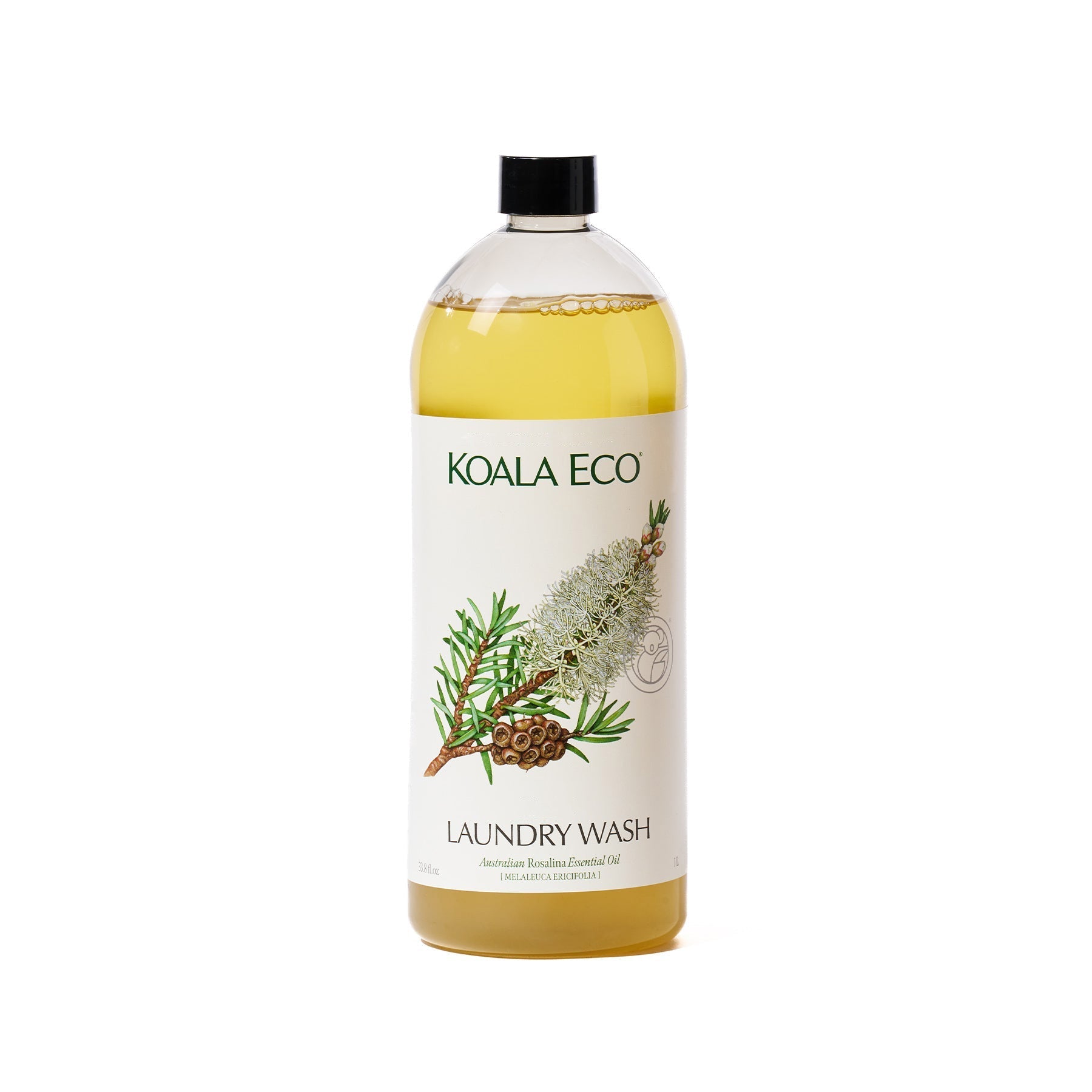
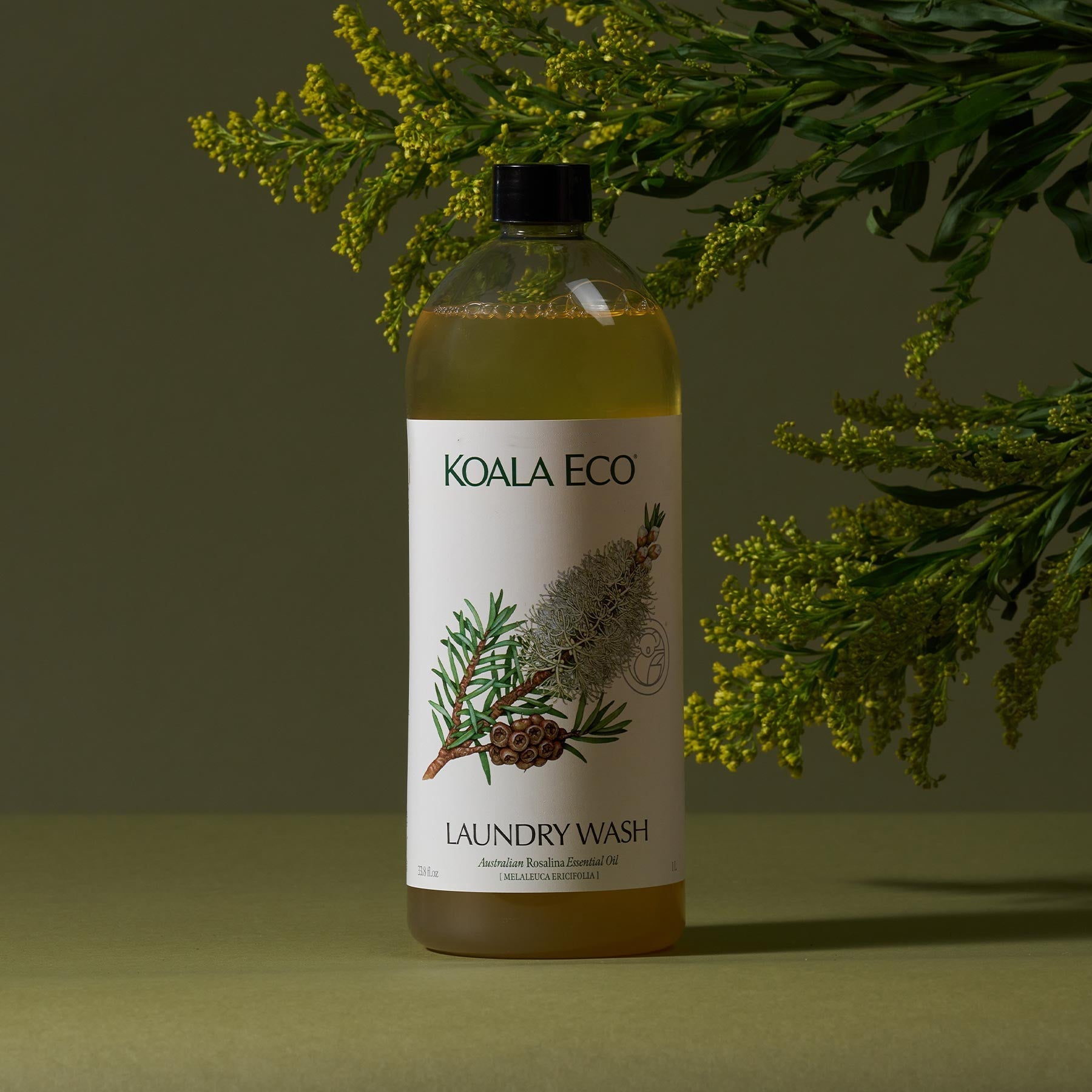
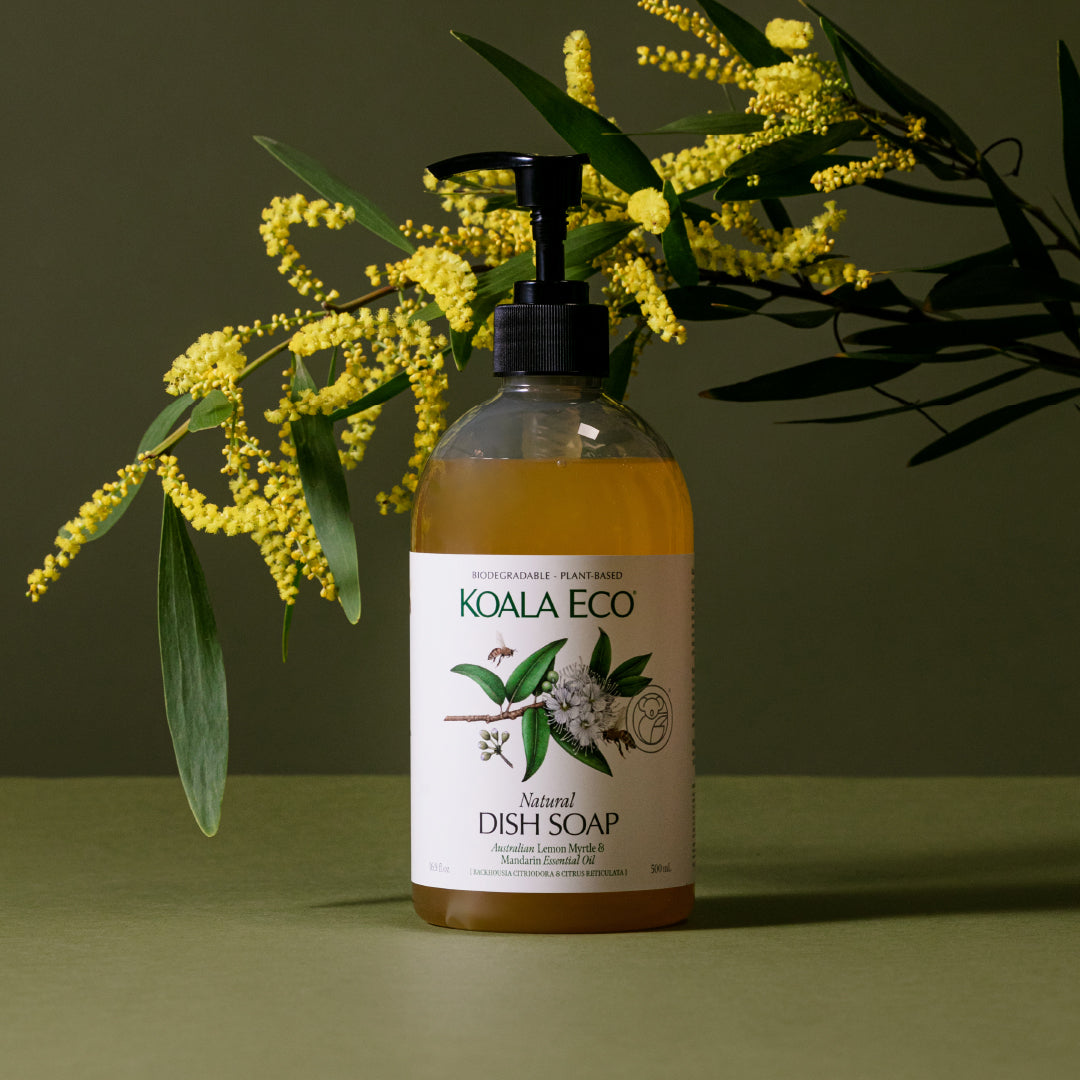
In Australia, where Koala Eco began, scent is never neutral. Eucalyptus after rain, lemon myrtle caught on the wind, rosalina drifting from the bush—these aren’t just pleasant notes. They’re part of the architecture of the landscape. They change how we breathe and how we feel. There is a growing body of ecopsychology suggesting that these natural aromatic cues help regulate the nervous system, gently supporting our mental clarity and emotional steadiness.
Why This Shift Matters Now
The cultural conversation around homecare is finally catching up with what many people instinctively sense: that the products we use daily shape more than cleanliness—they influence the atmosphere in which we think, sleep, and restore.
How to Begin the Shift
You don’t need to overhaul everything at once. Start with the products you use most often—the ones that linger on your skin or in the air.
- Choose formulas scented solely with essential oils, clearly listed by their botanical names.
- Avoid vague scent descriptors like “Fresh Rain” or “Ocean Breeze.”
Notice how you feel after using products with real botanicals. The difference is subtle but cumulative. - Be curious. Ask brands what their fragrance contains. Transparency should be effortless.
A New Kind of Clean
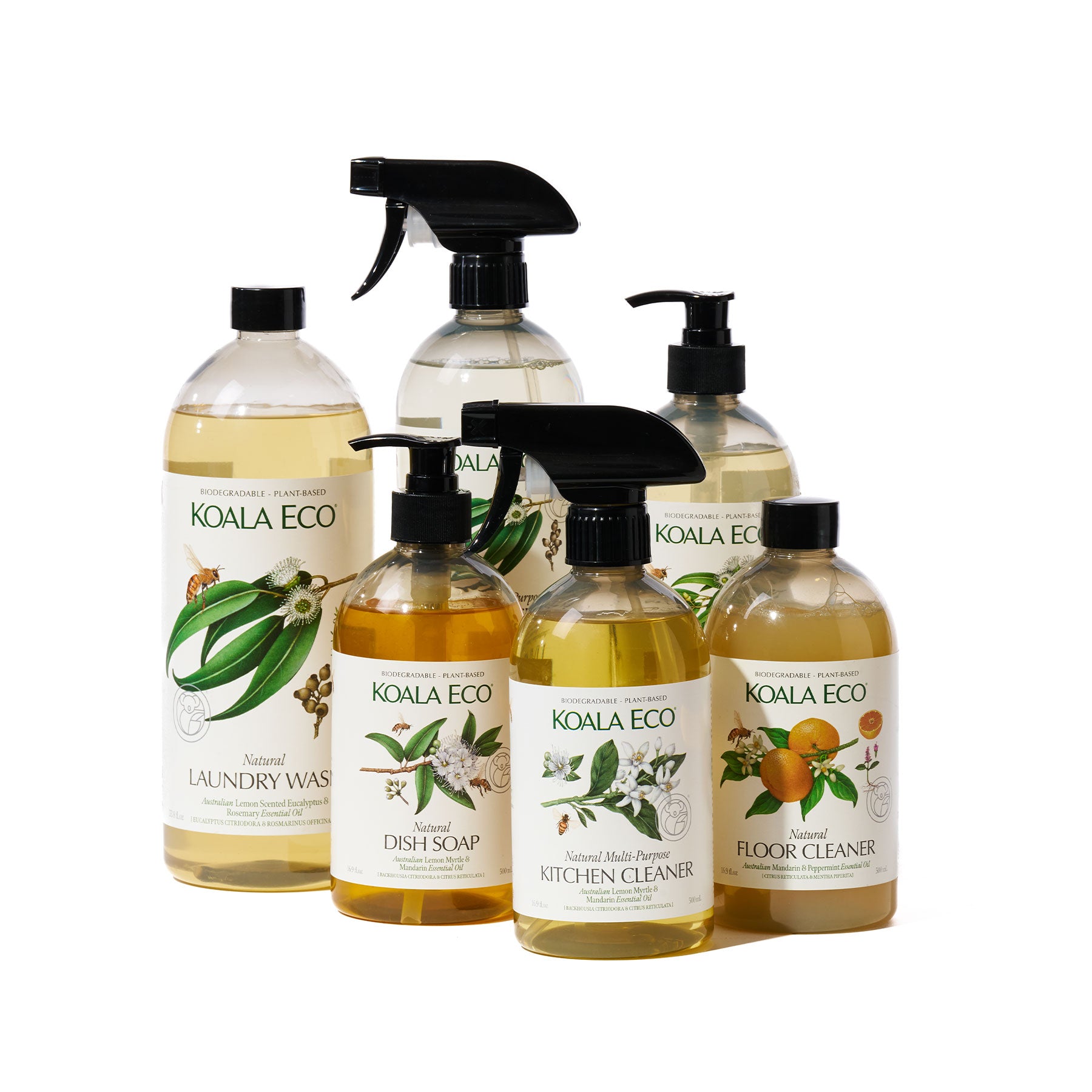
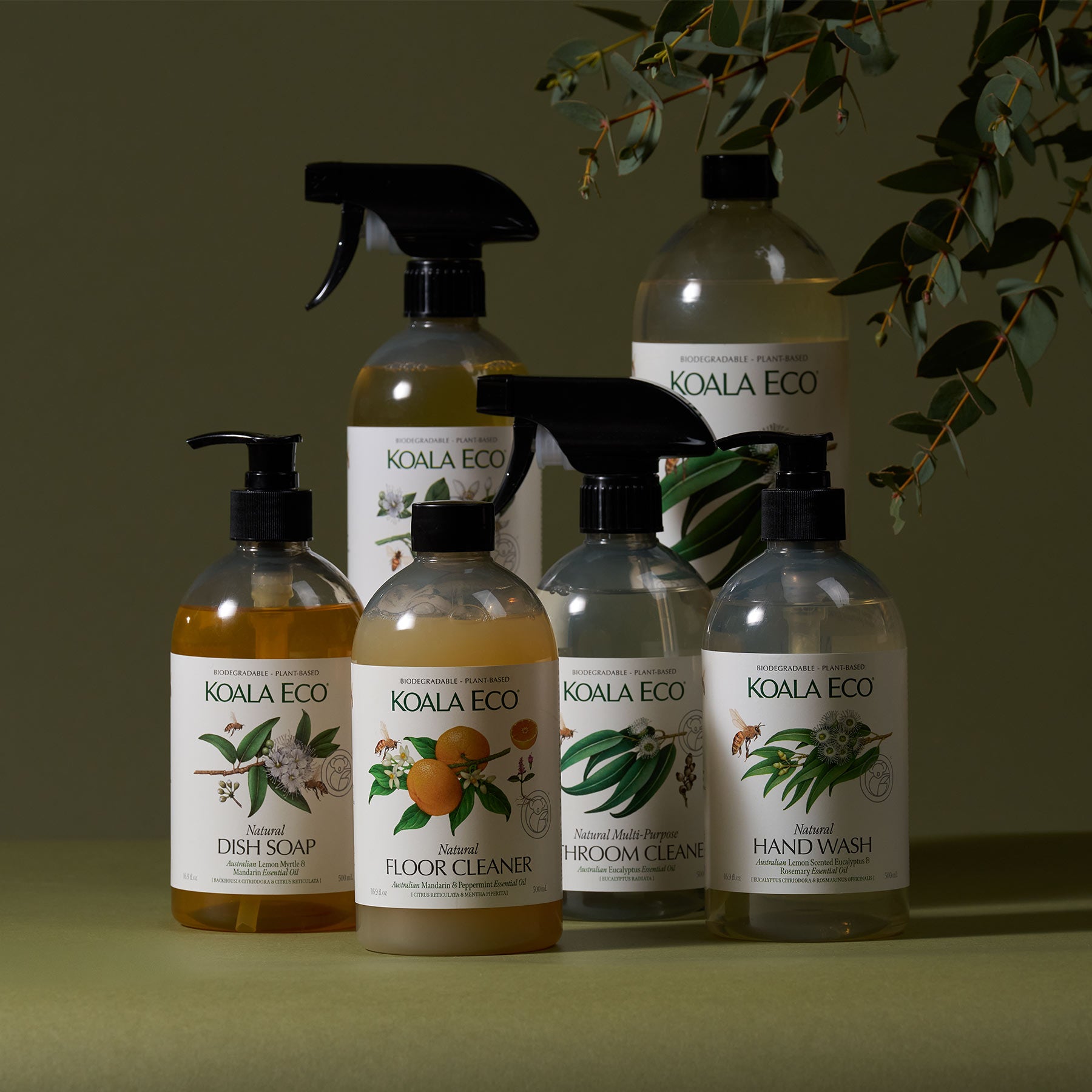
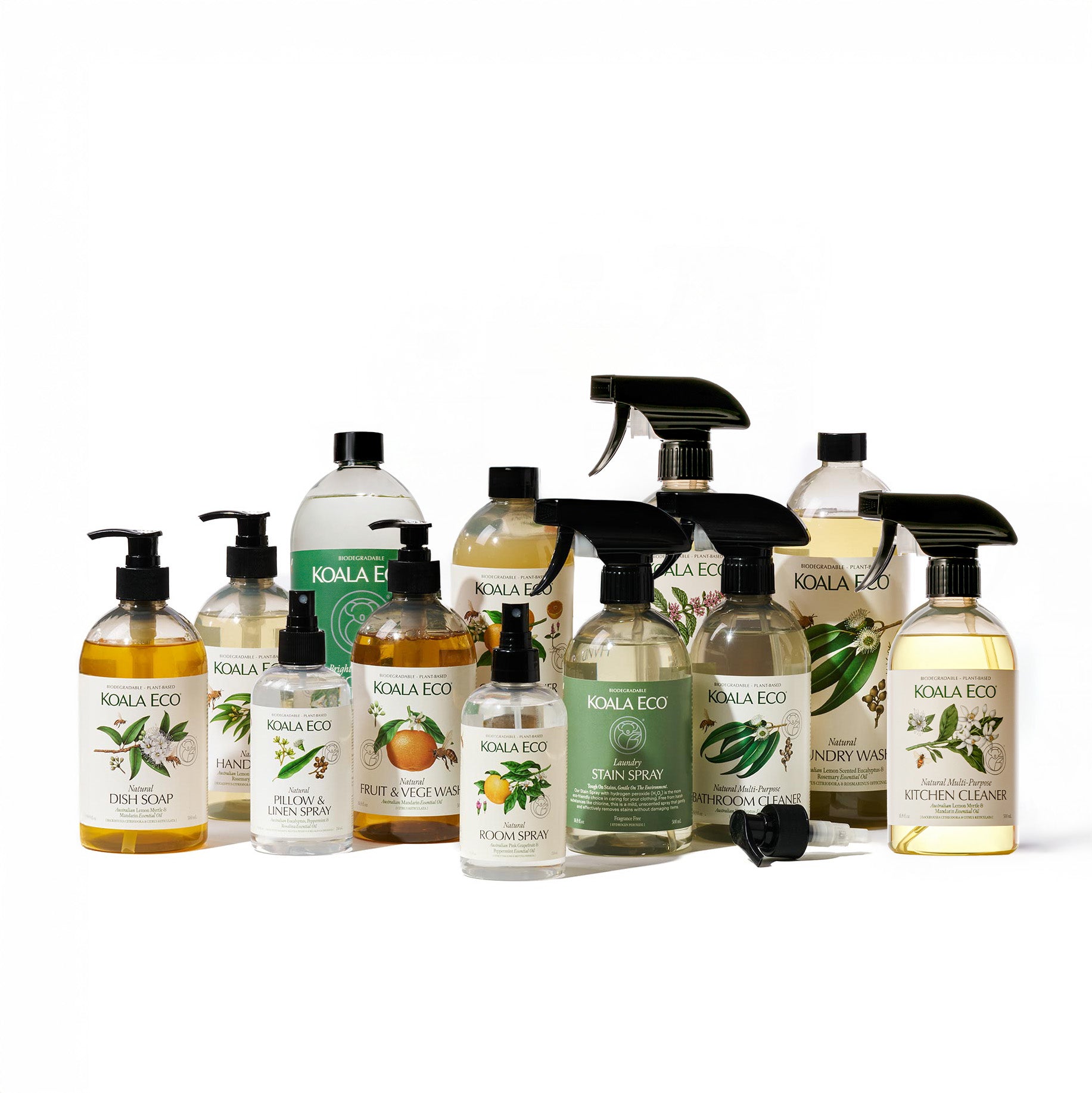
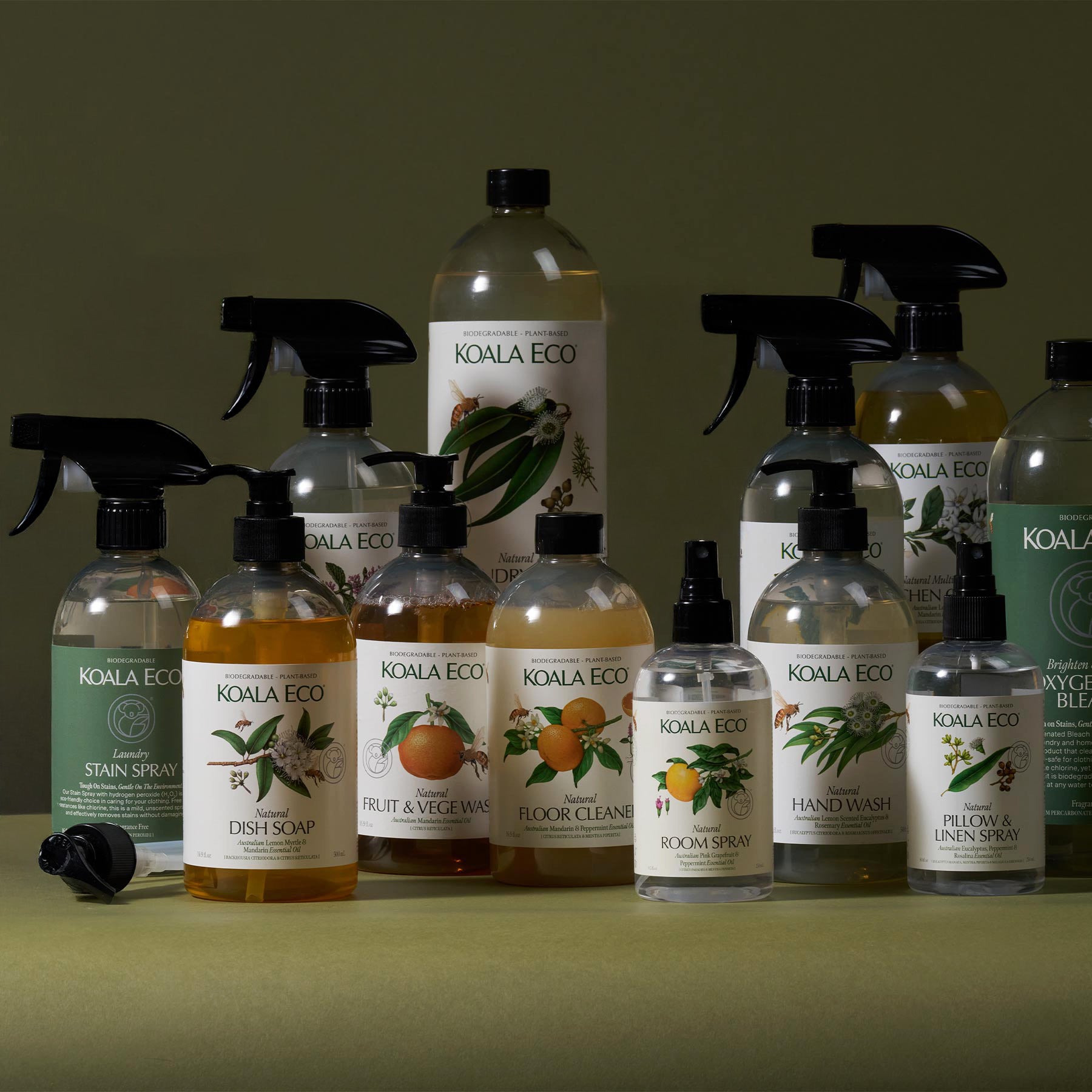
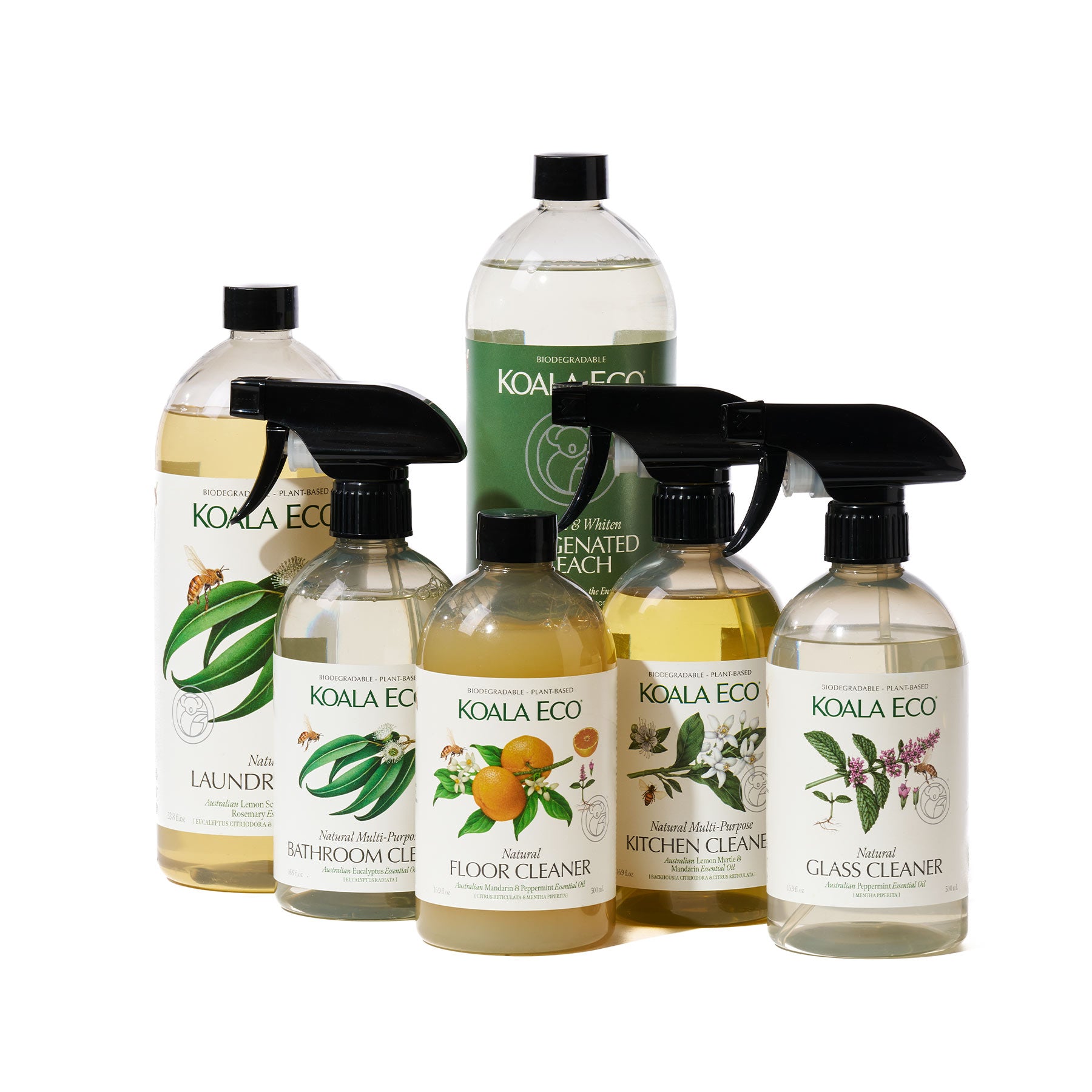
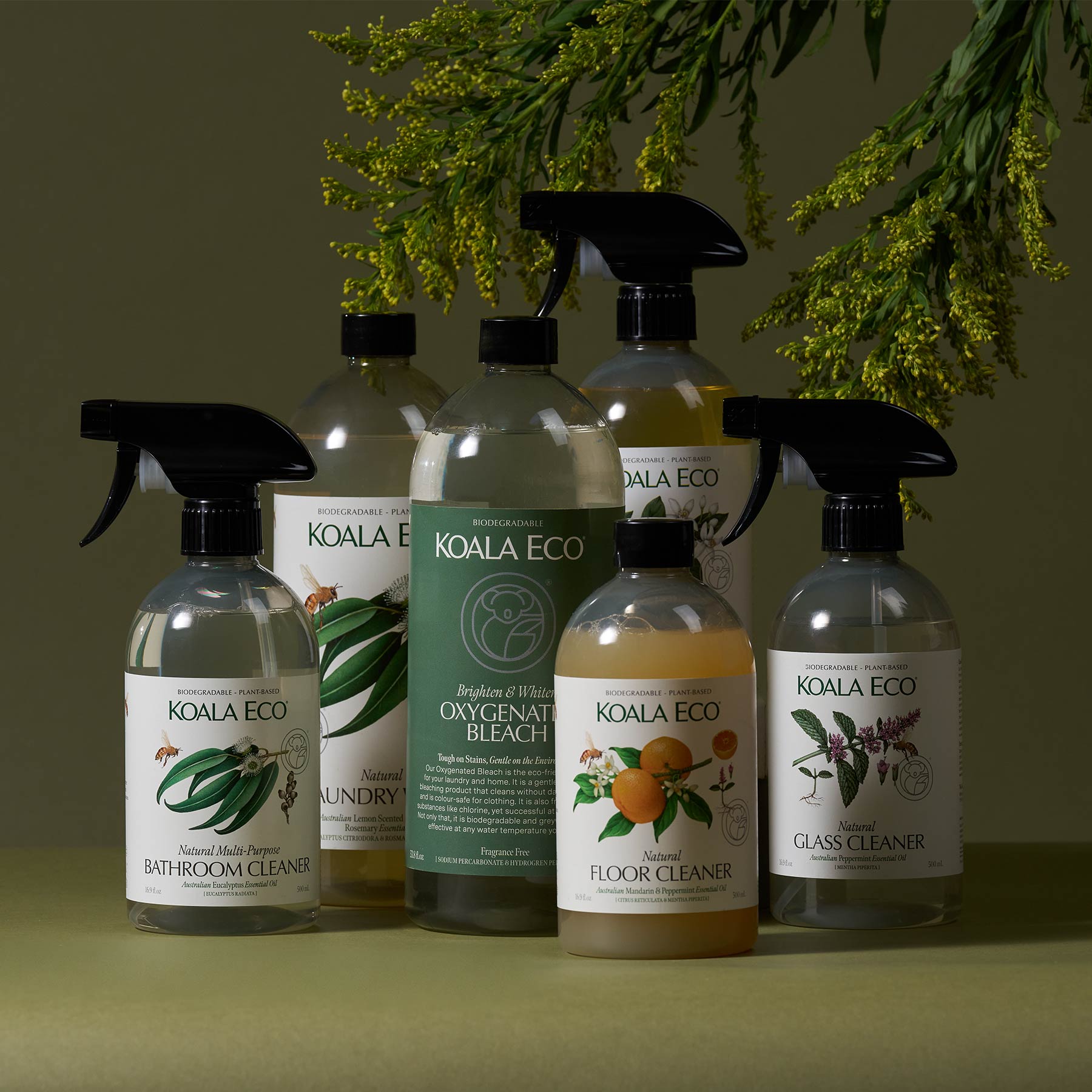
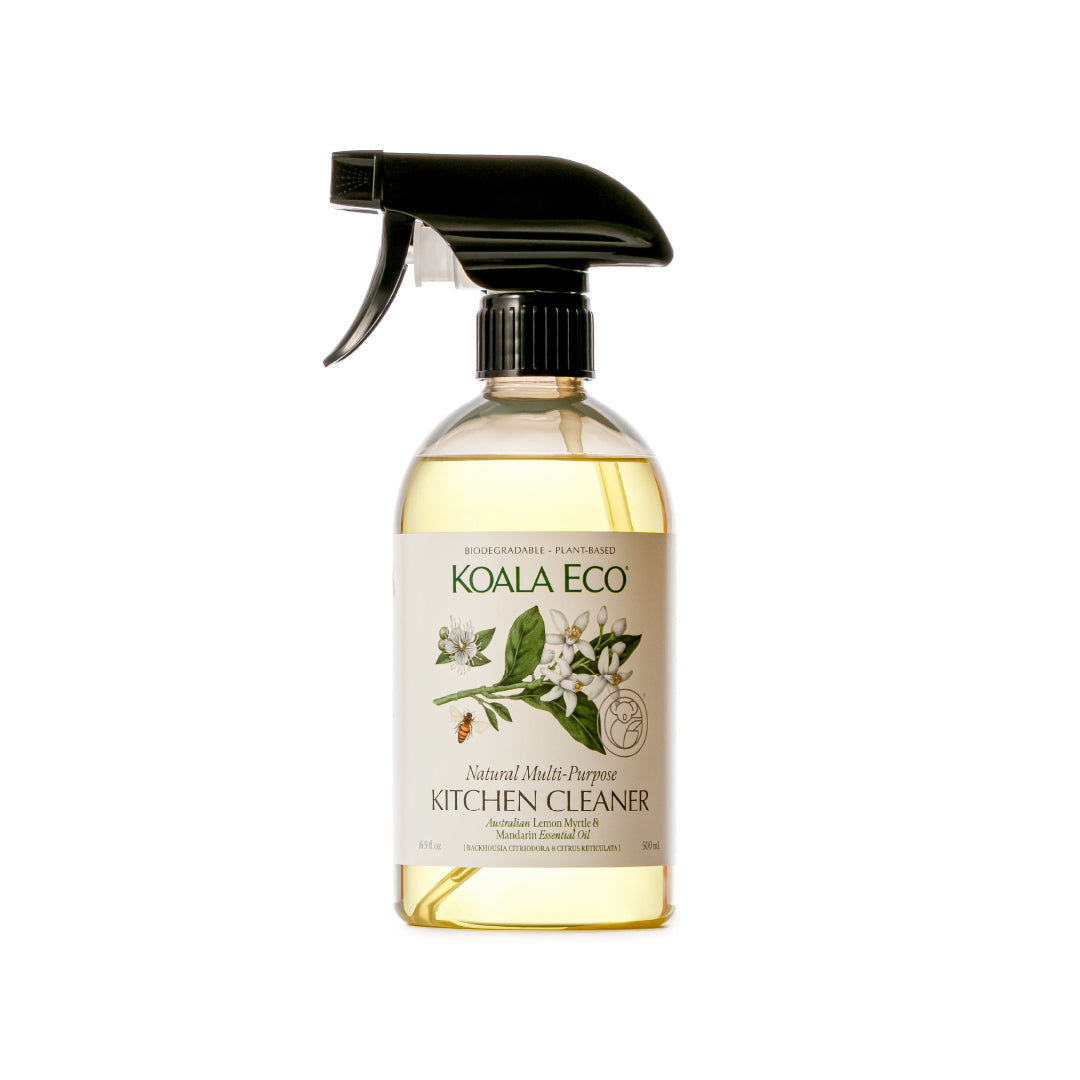
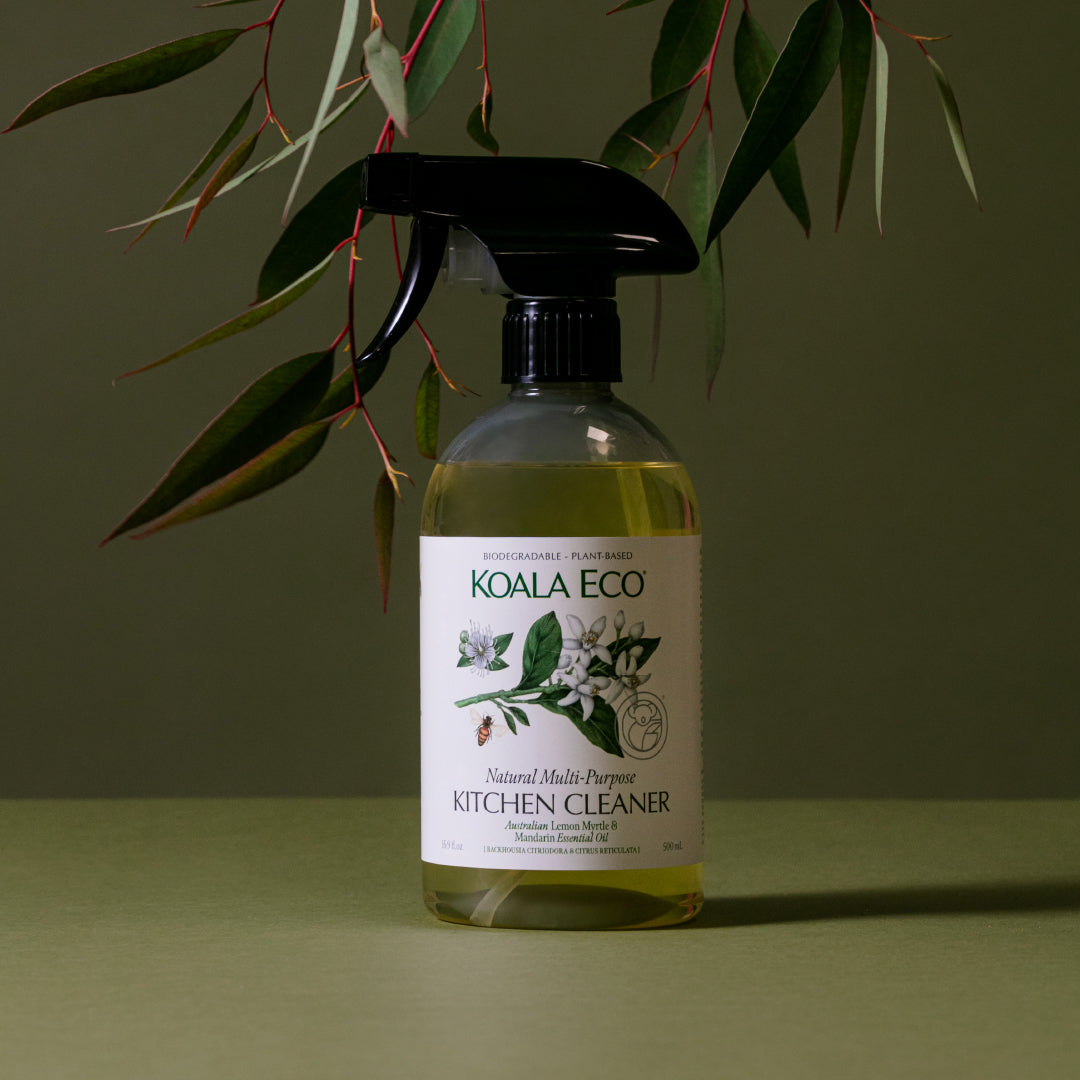
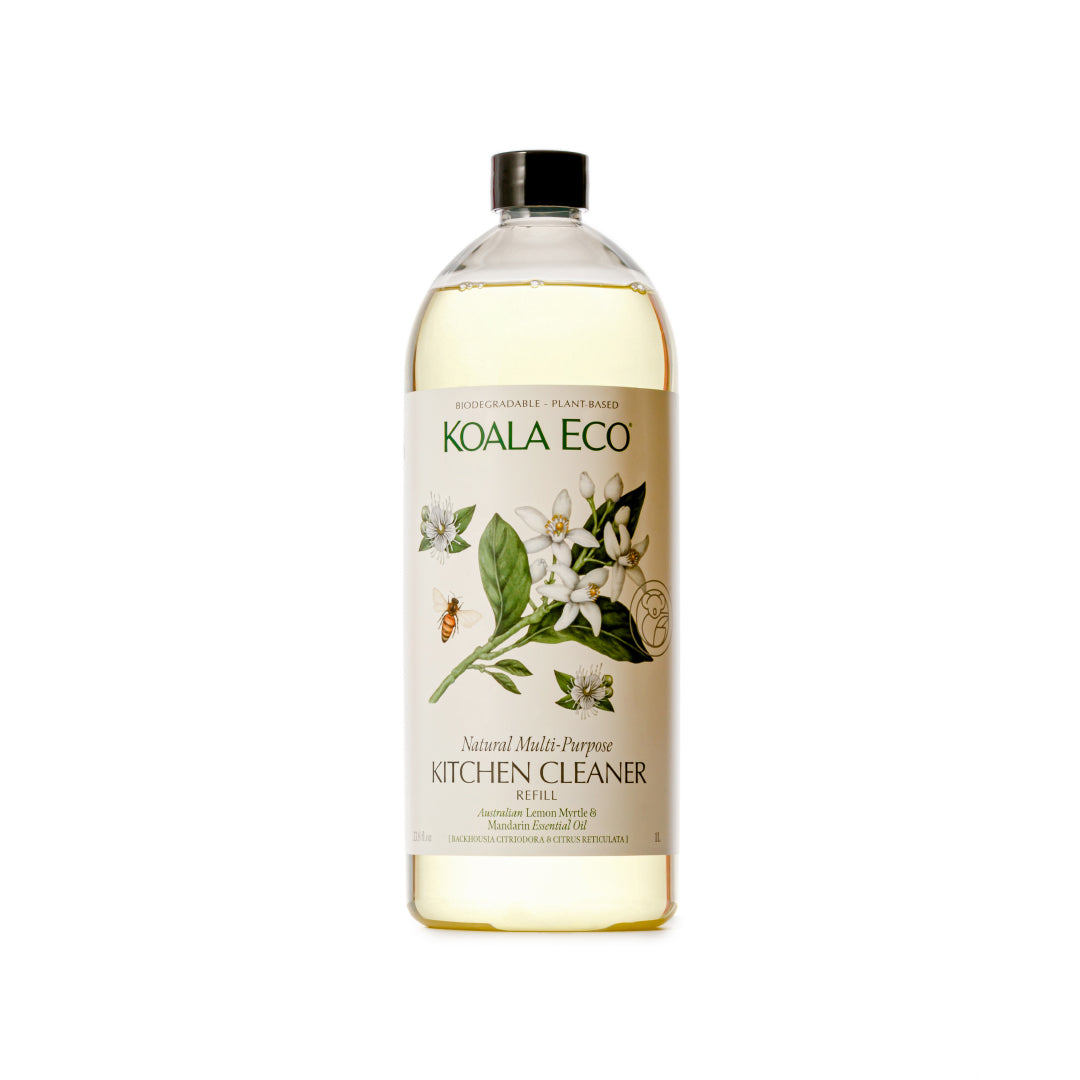
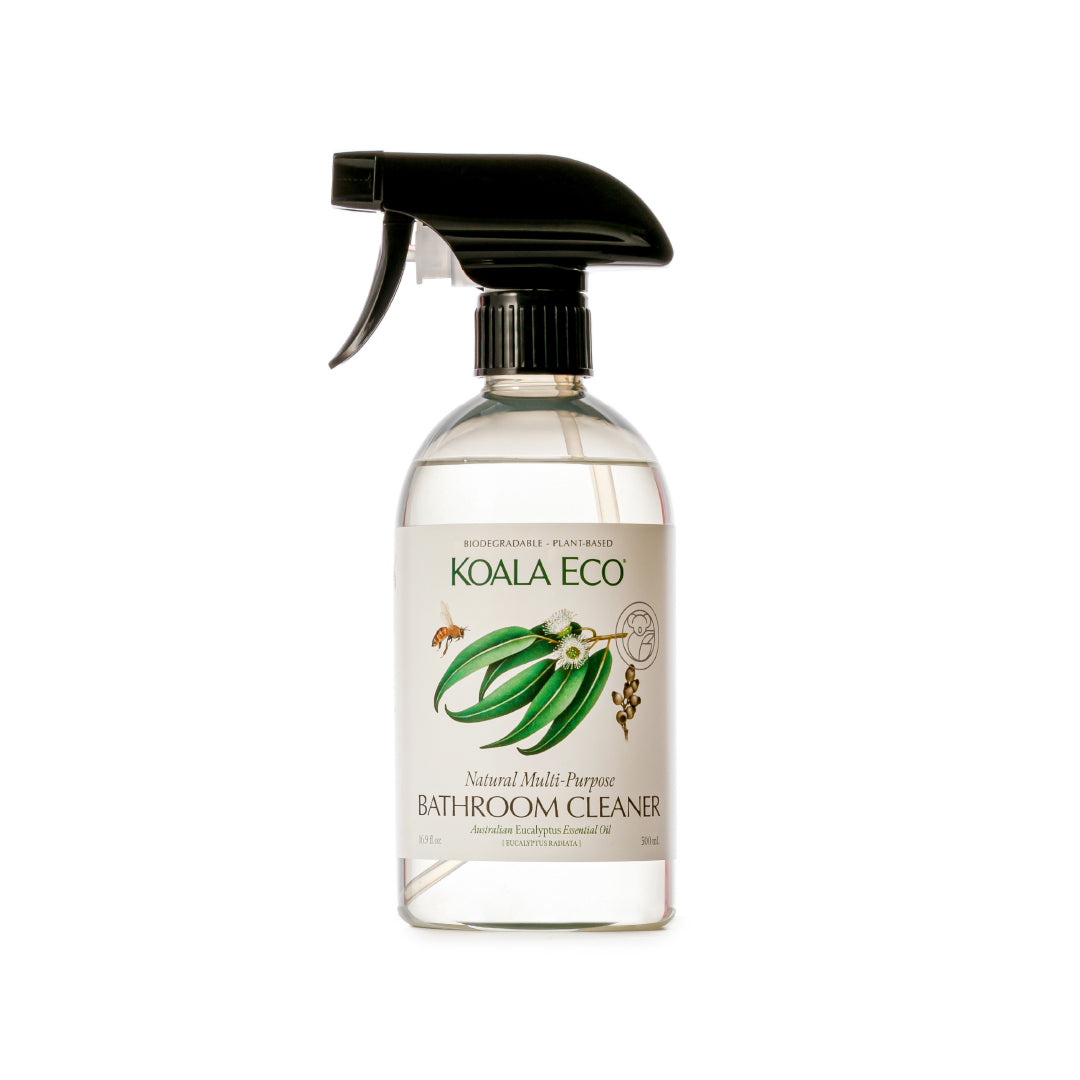
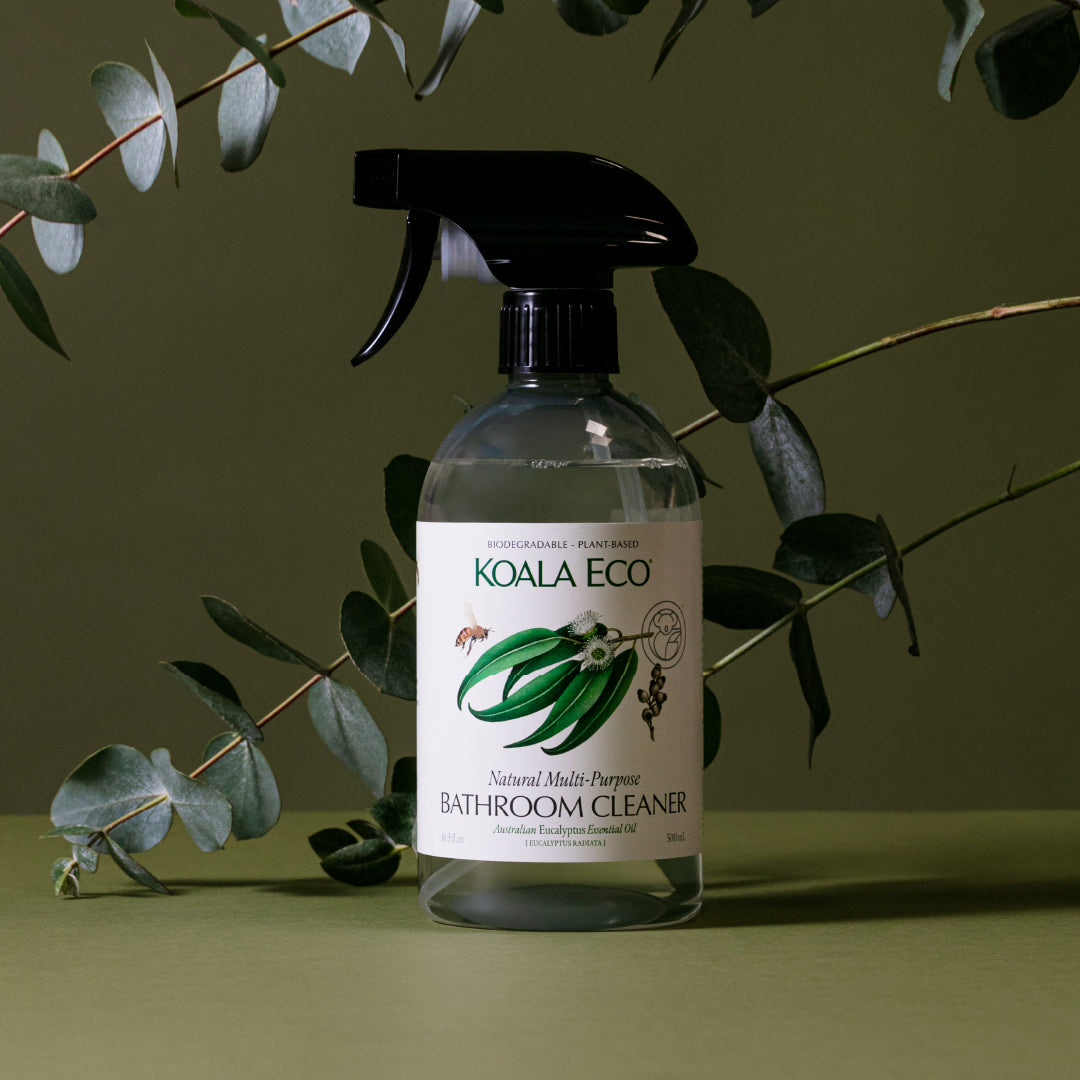
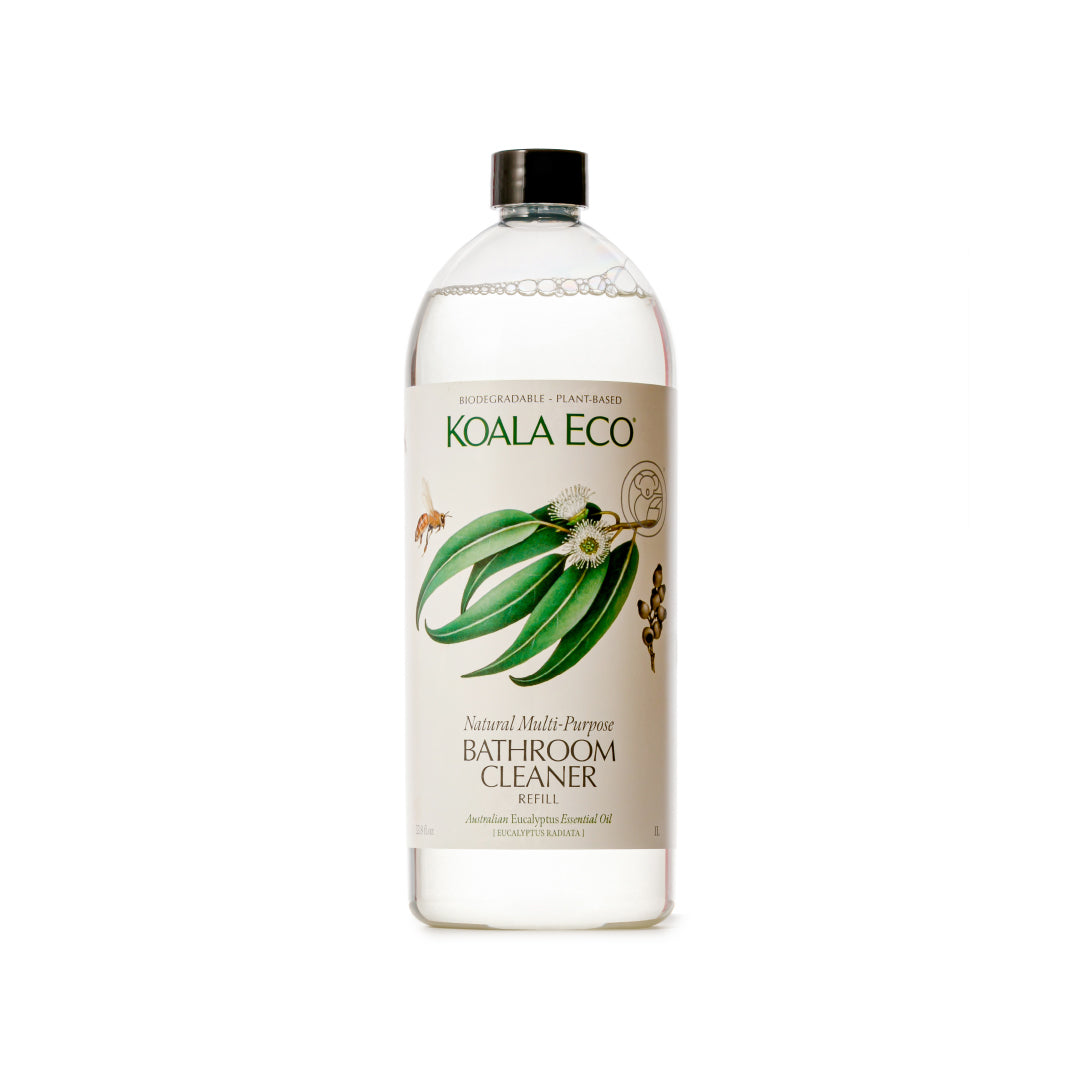
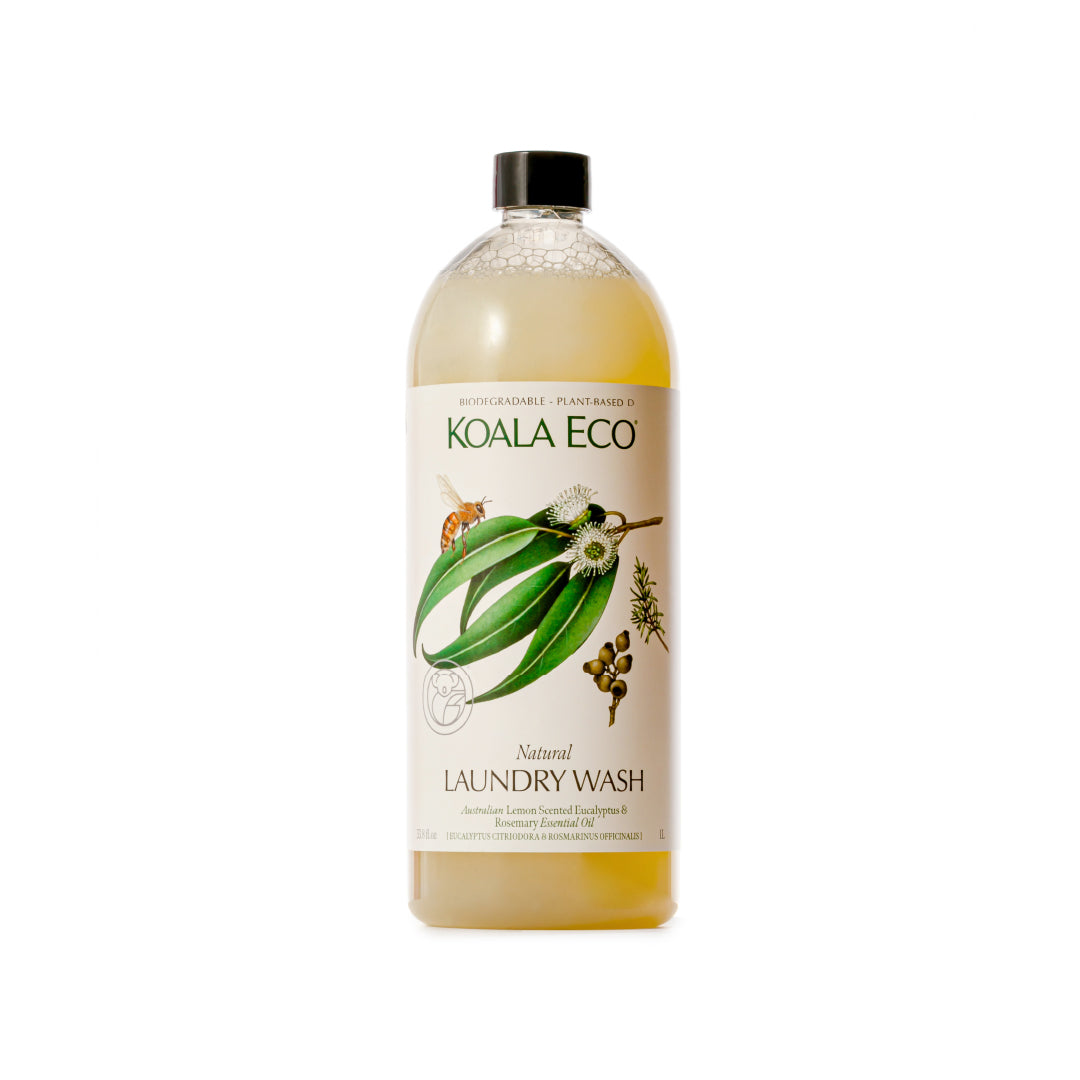
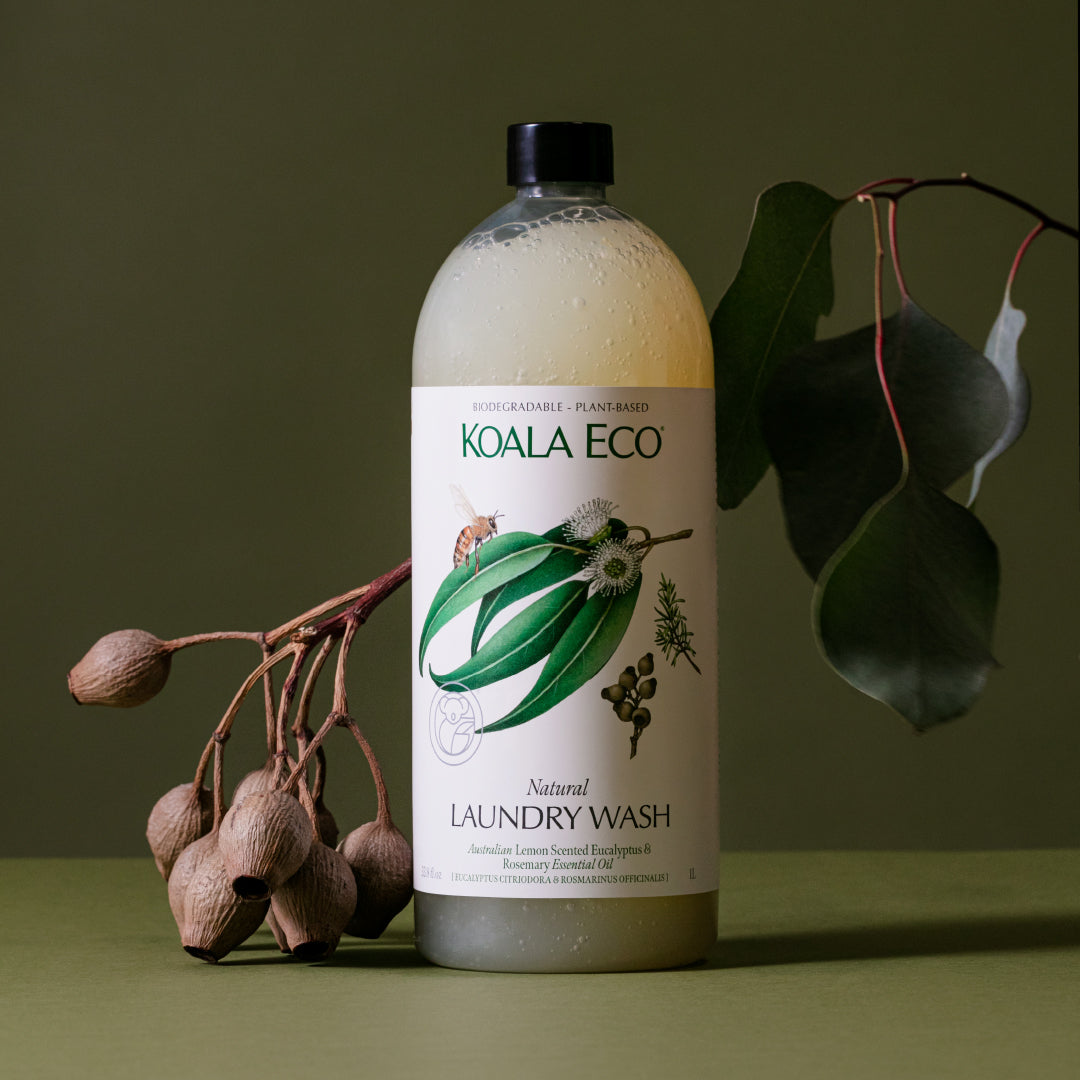
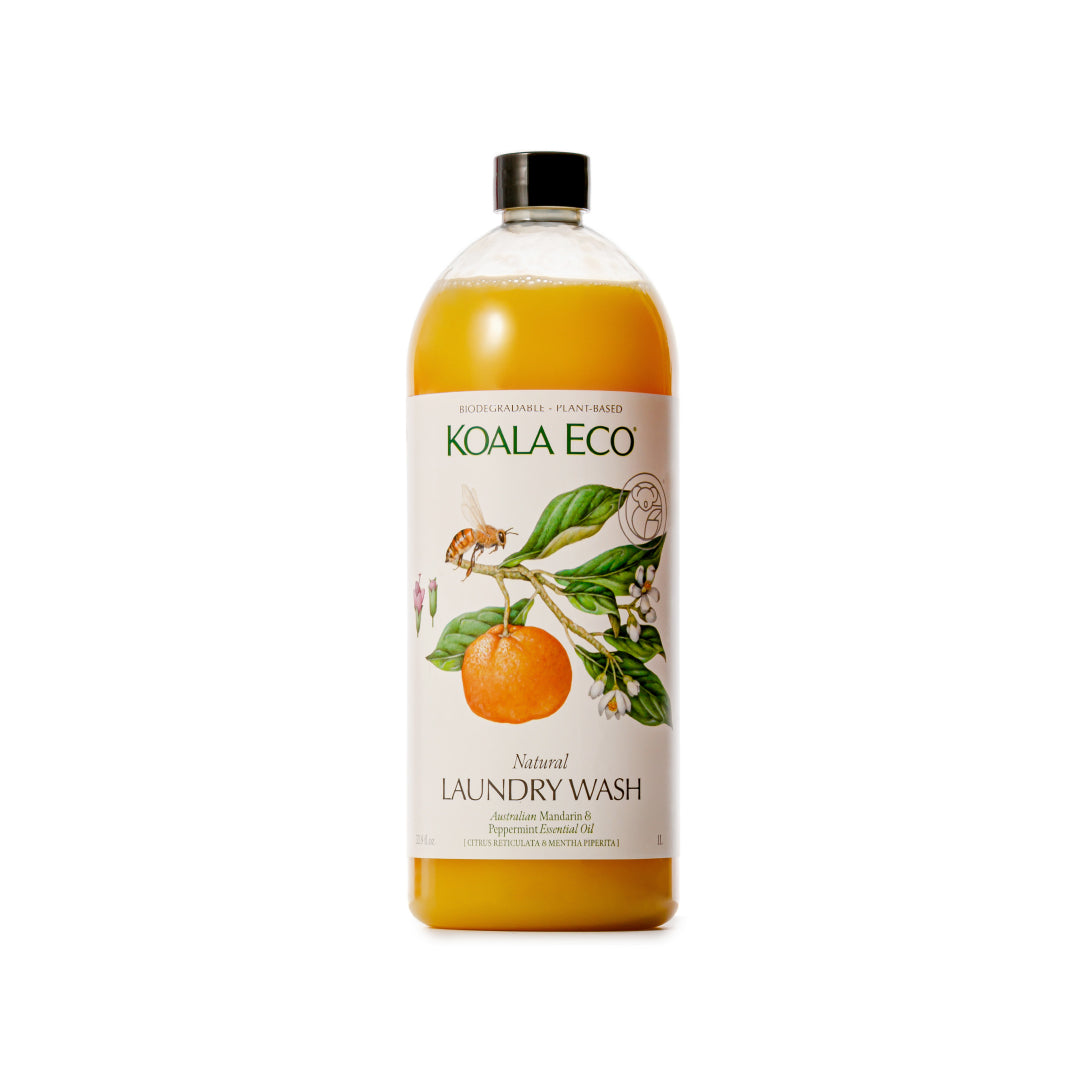
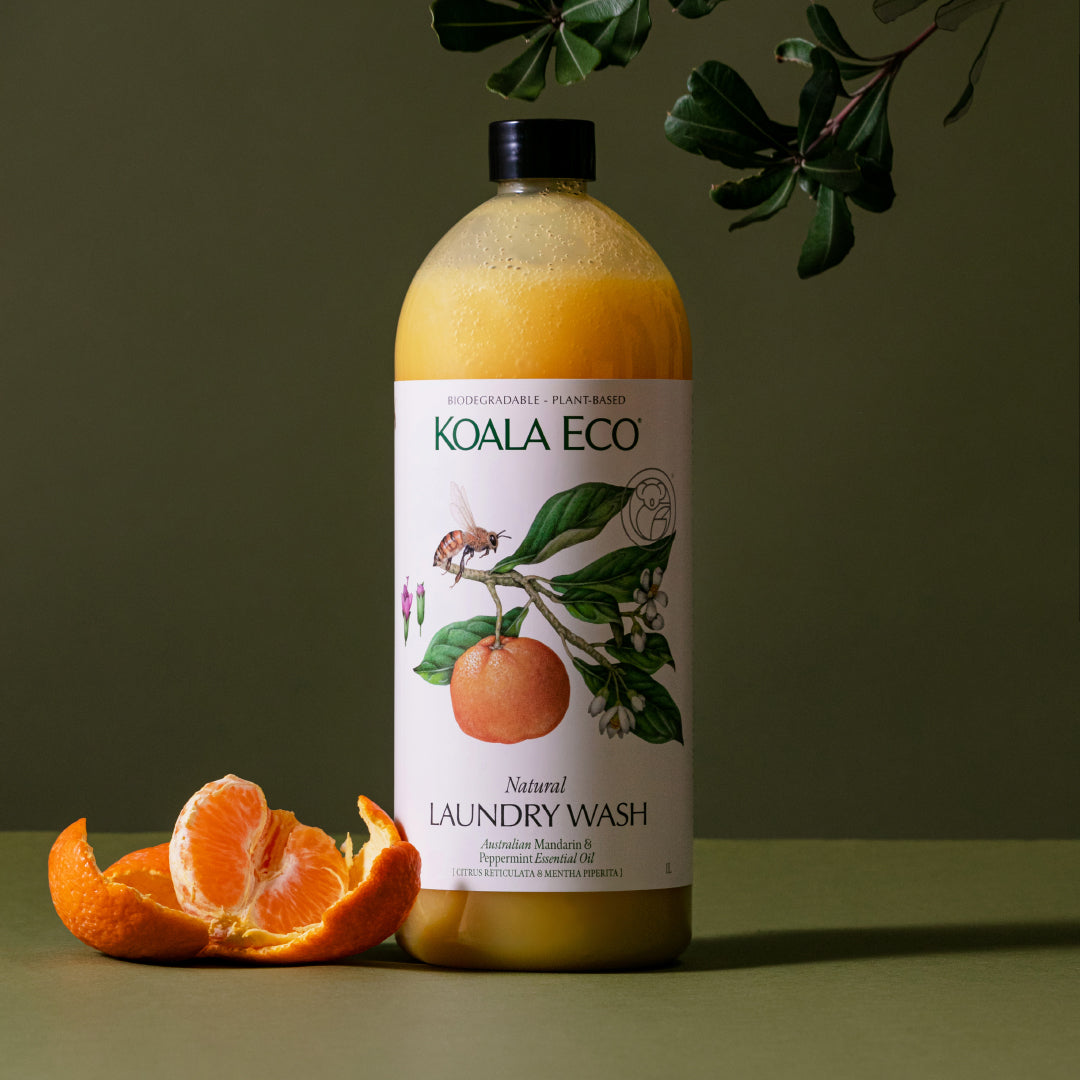
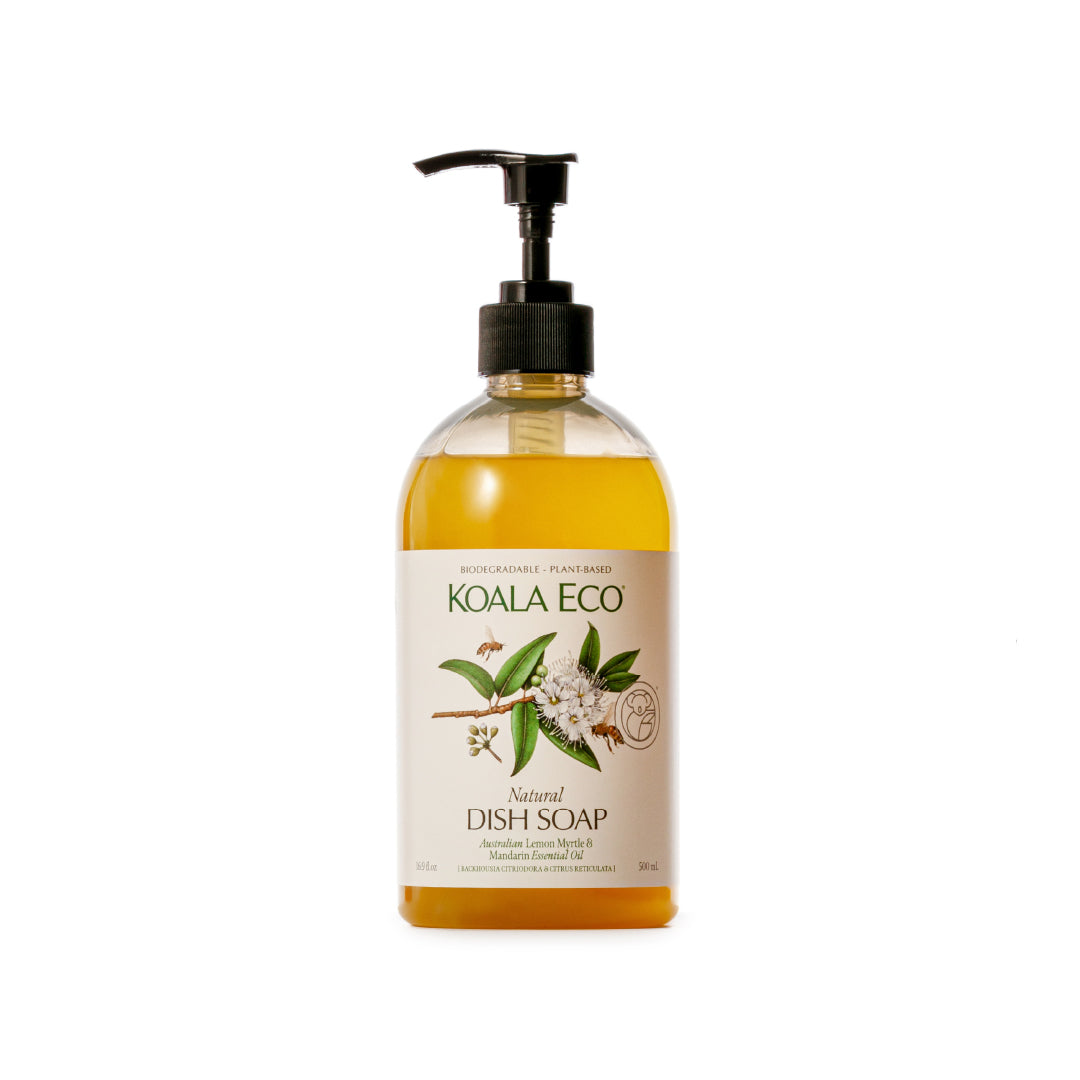
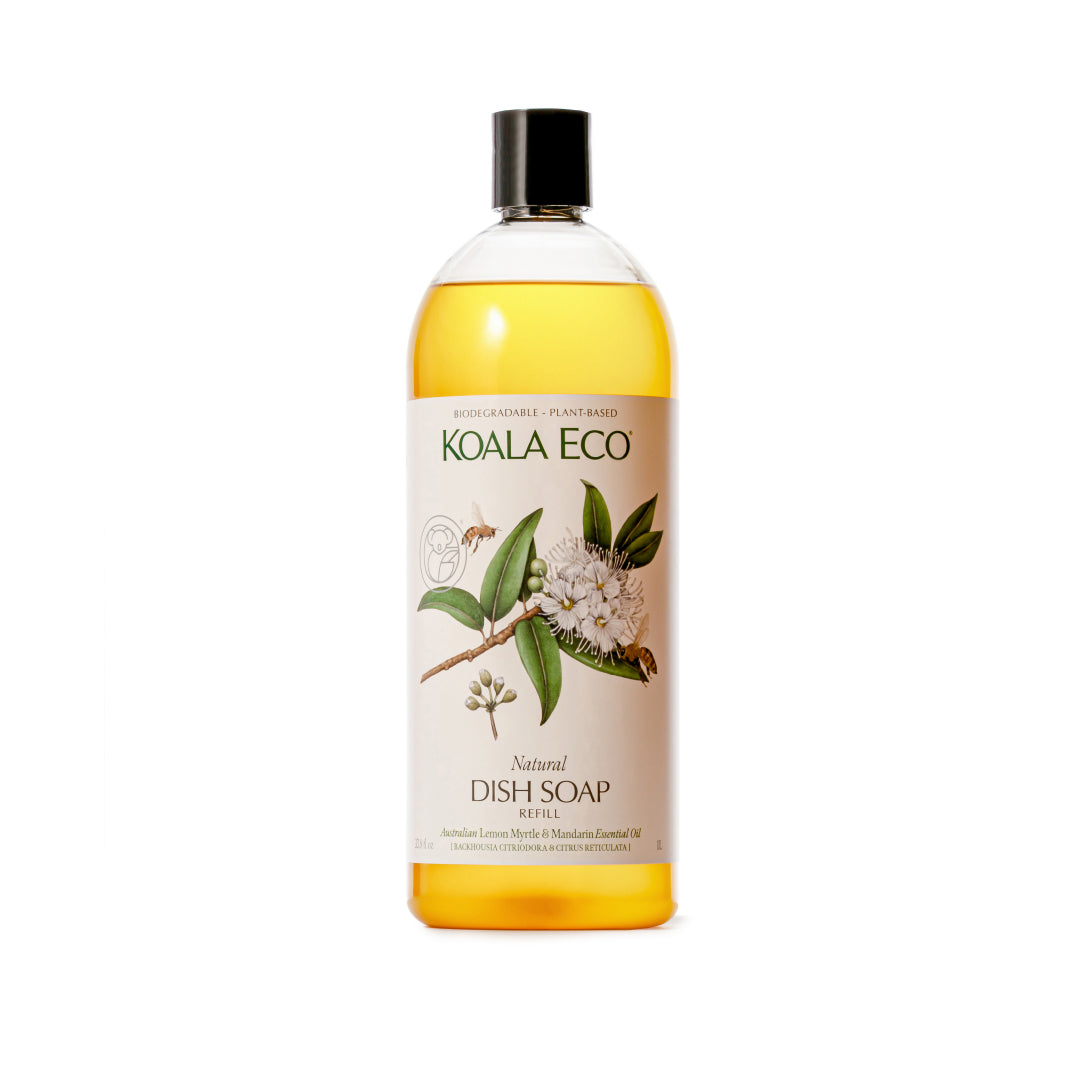
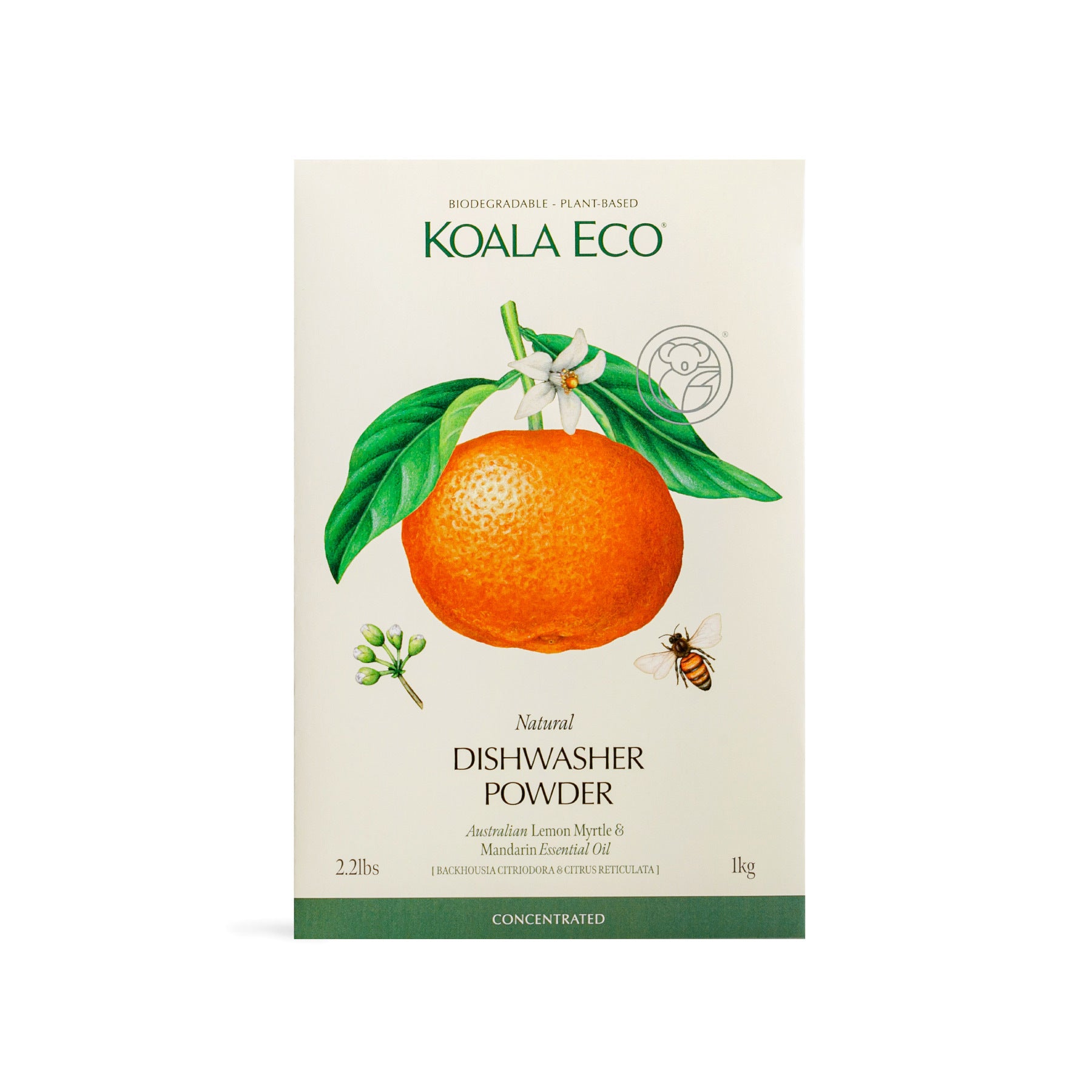
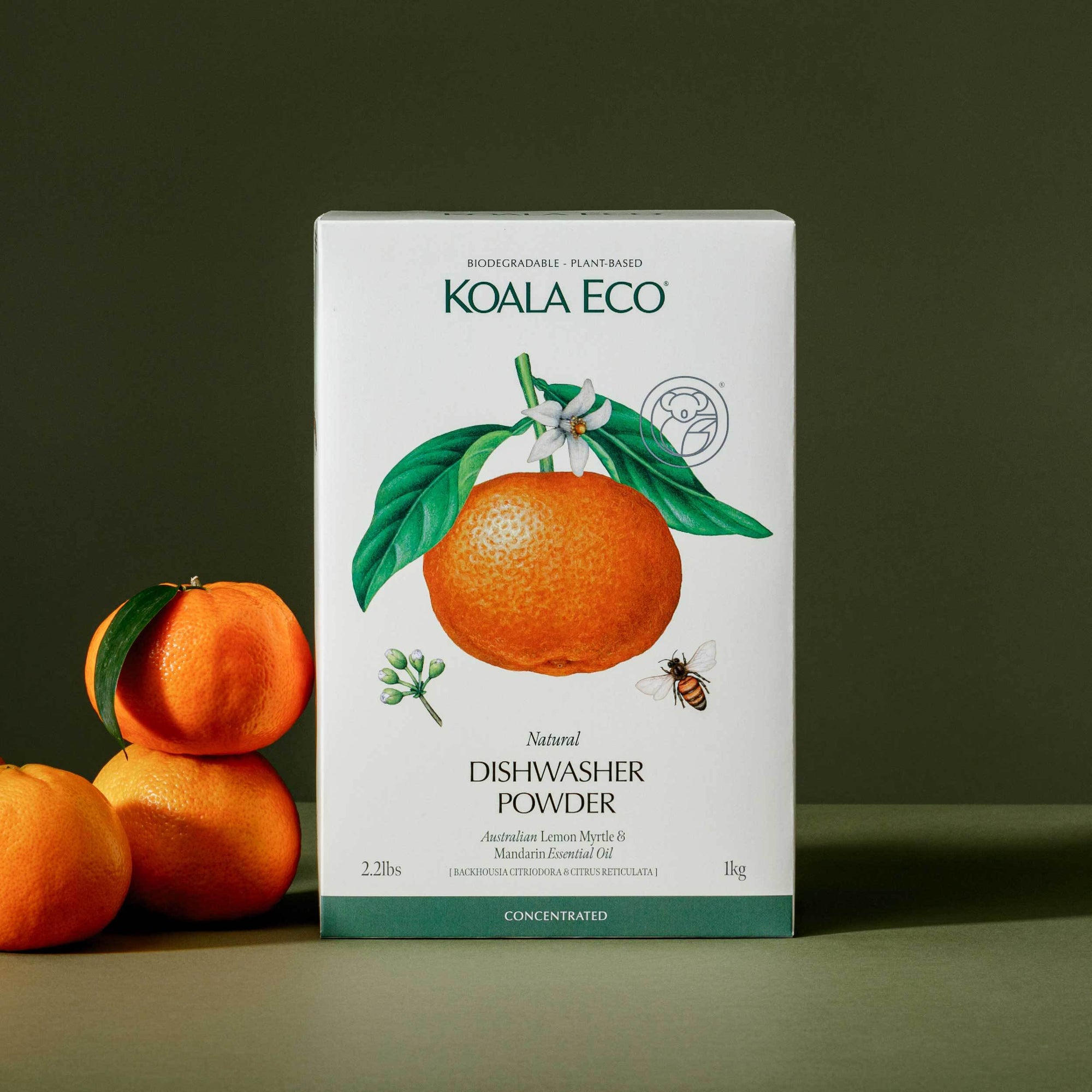
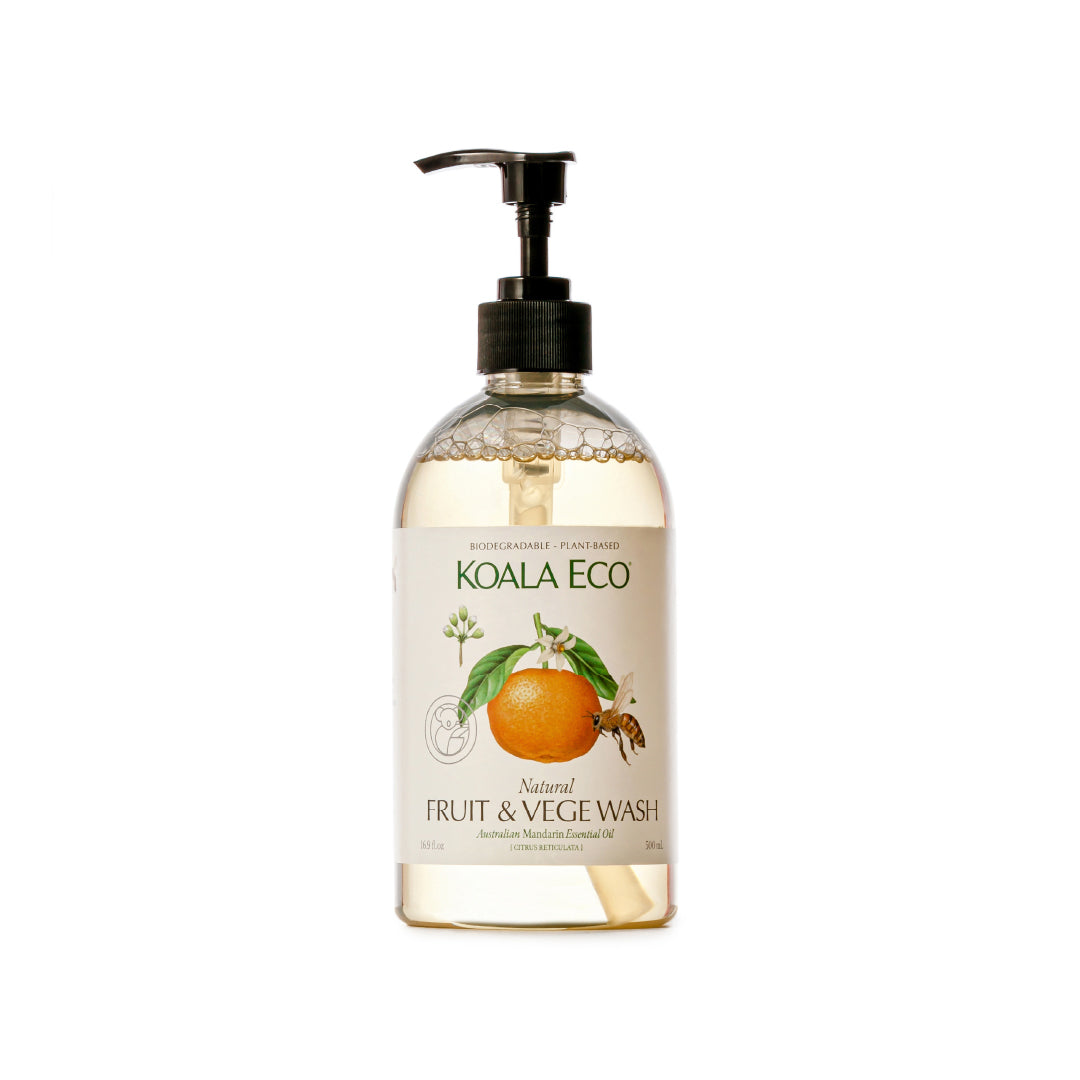
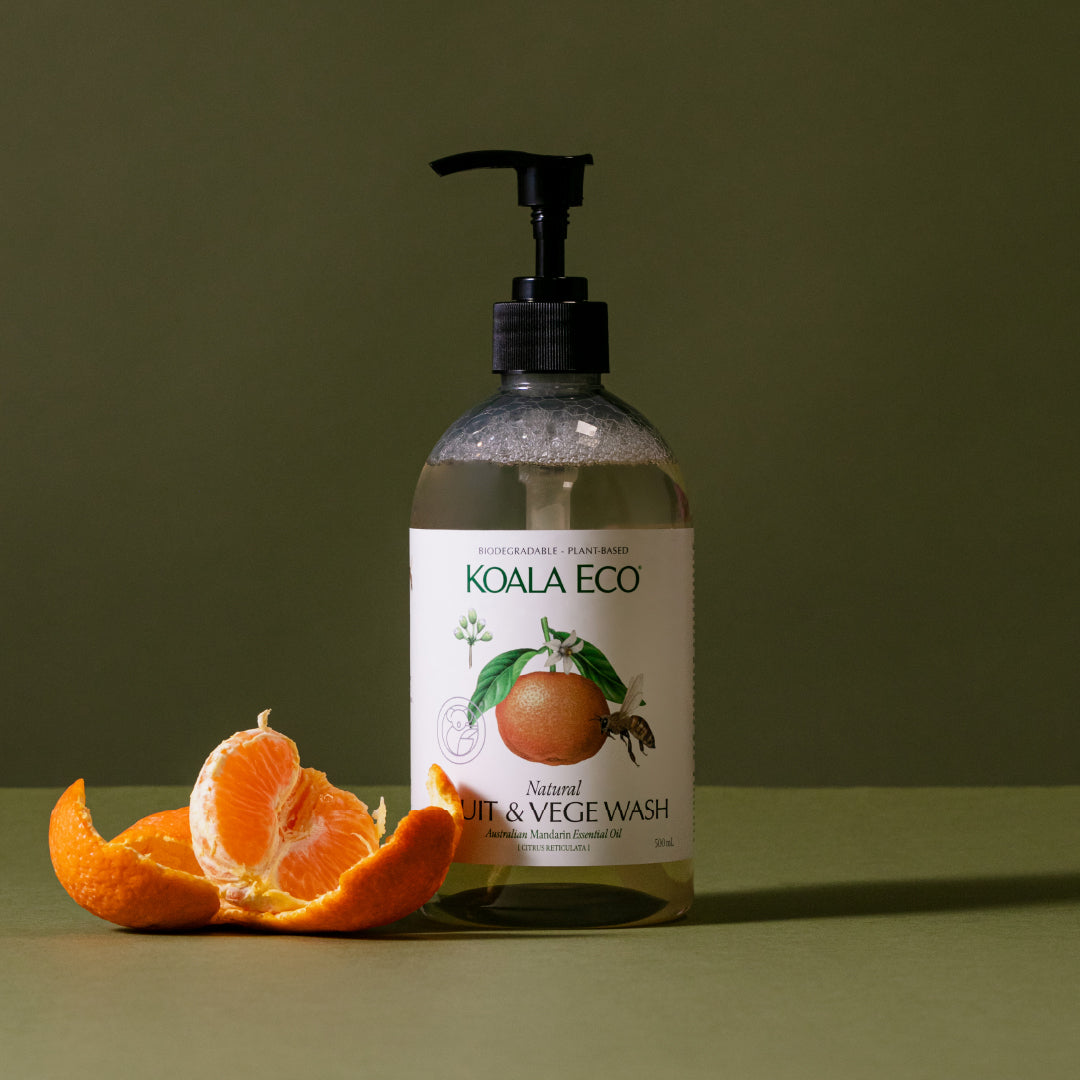
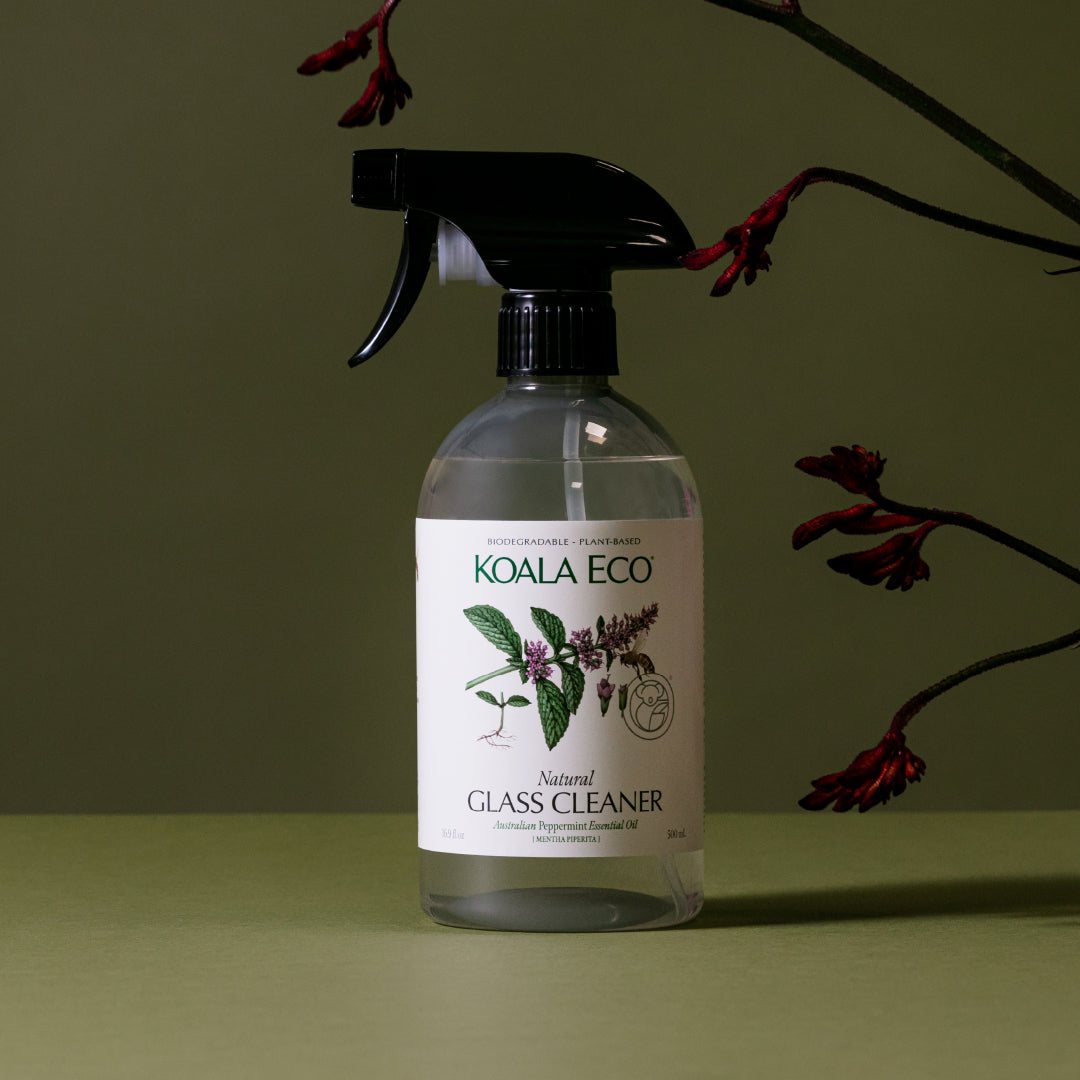
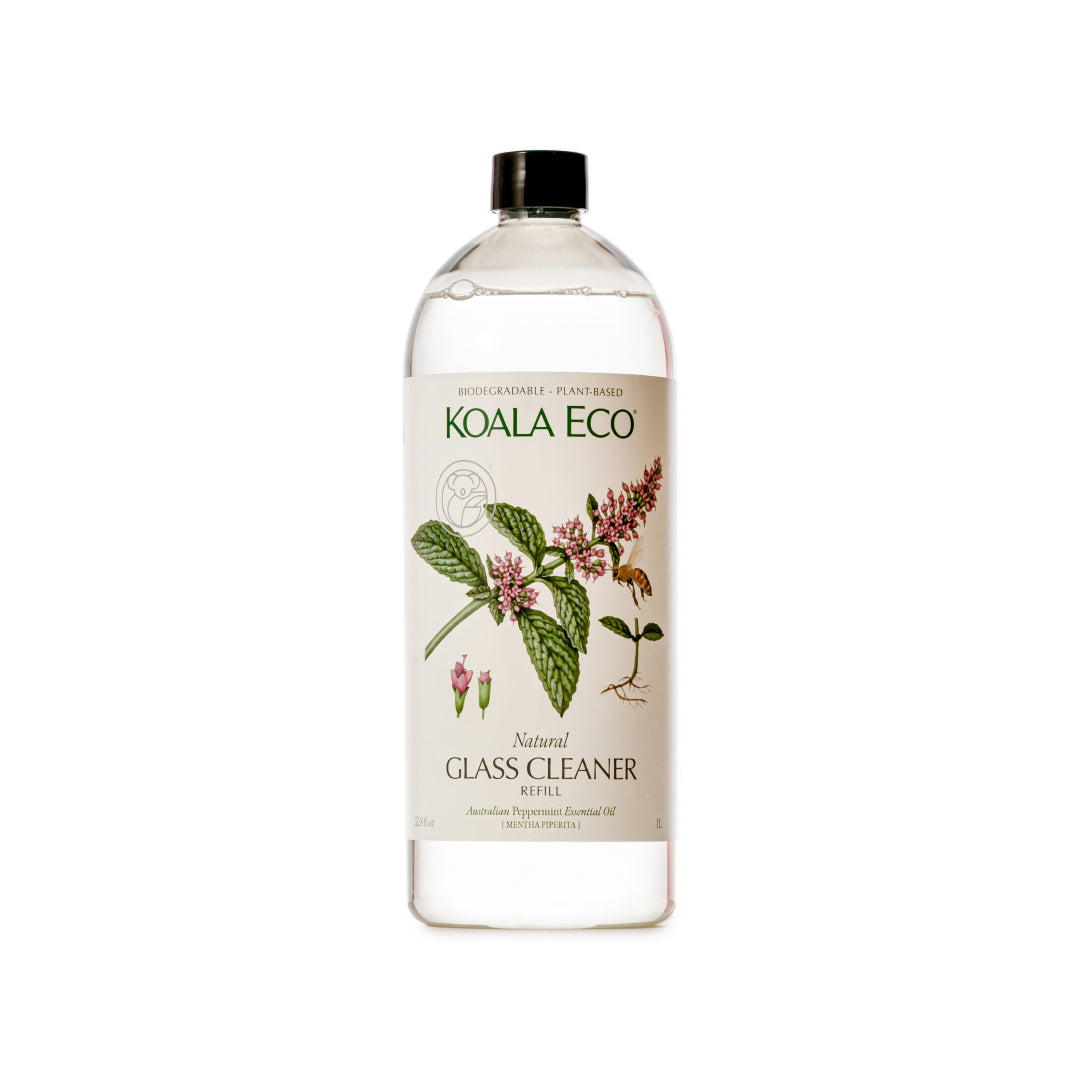
At Koala Eco, our formulations are built on the belief that clean shouldn’t be synthetic. It should feel honest, elemental, and connected to the natural world. We use Australian essential oils because these botanicals offer something far more meaningful than a manufactured scent: they bring a sense of presence.
This is what so many people discover when they switch to essential oils. Cleaning becomes less of a task and more of a sensory recalibration. You breathe differently. Rooms feel lighter. There’s a small but distinct return to balance. And it begins with choosing what’s real.