Edition 04 - Mandarin
Australian Botanicals, Memory, and the Living Landscape of Scent
We don’t look at our essential oils through the lens of fragrance. We look at them through psychology.
As someone trained in organisational psychology, I have long been interested in how environments shape behaviour — how light, sound and scent alter the nervous system before we consciously register change.
In Australia, where eucalyptus trees line suburban streets, and the bush sits never very far from the edge of daily life. The scent of crushed leaves underfoot. Nature and scent are very much connected to how we feel and proven through science — that olfaction is the only sense that travels directly to the limbic system, the brain’s emotional and memory centre.
Ecopsychology formalises what many of us already know intuitively: humans regulate in relationship with the natural world. Studies on forest environments have demonstrated reductions in cortisol levels and improvements in mood and cognition. Trees emit organic compounds; when we inhale them, our bodies respond.
Australia’s native botanicals evolved under particular pressures — intense sun, drought, insects, microbial density. Essential oils are the chemical record of that adaptation. Cineole in Eucalyptus radiata protects leaf tissue. Citral in Backhousia citriodora discourages fungal growth in humid rainforest. What we experience as clarity or freshness began as resilience.
There is history embedded in these plants. Aboriginal Australians used paperbark for shelter and leaves for healing long before European botanists assigned Latin classifications. Later, colonial science catalogued and distilled. But the relationship between plant and person is far older and wiser.
When we say our oils are grown and distilled in Australia, we mean something specific. Soil composition, rainfall patterns and heat shape chemical profiles. Place leaves an imprint. Terroir exists in essential oils just as it does in wine.
Henry David Thoreau wrote, “In wildness is the preservation of the world.” What he understood — and what modern science continues to affirm — is that nature is not decoration. It is formative.
This journal is a series of field notes on the plants that shape our formulations. Their histories. Their chemistry. Their quiet intelligence. Each leaf carries decisions made over centuries. Each oil is an adaptation distilled.
If scent is the oldest pathway to memory, then daily tasks — done with intention — can become a form of reorientation. A return to the landscapes that formed us.
The leaf to the oil. The oil to product. The hand to the home. And always, the landscape beneath it.
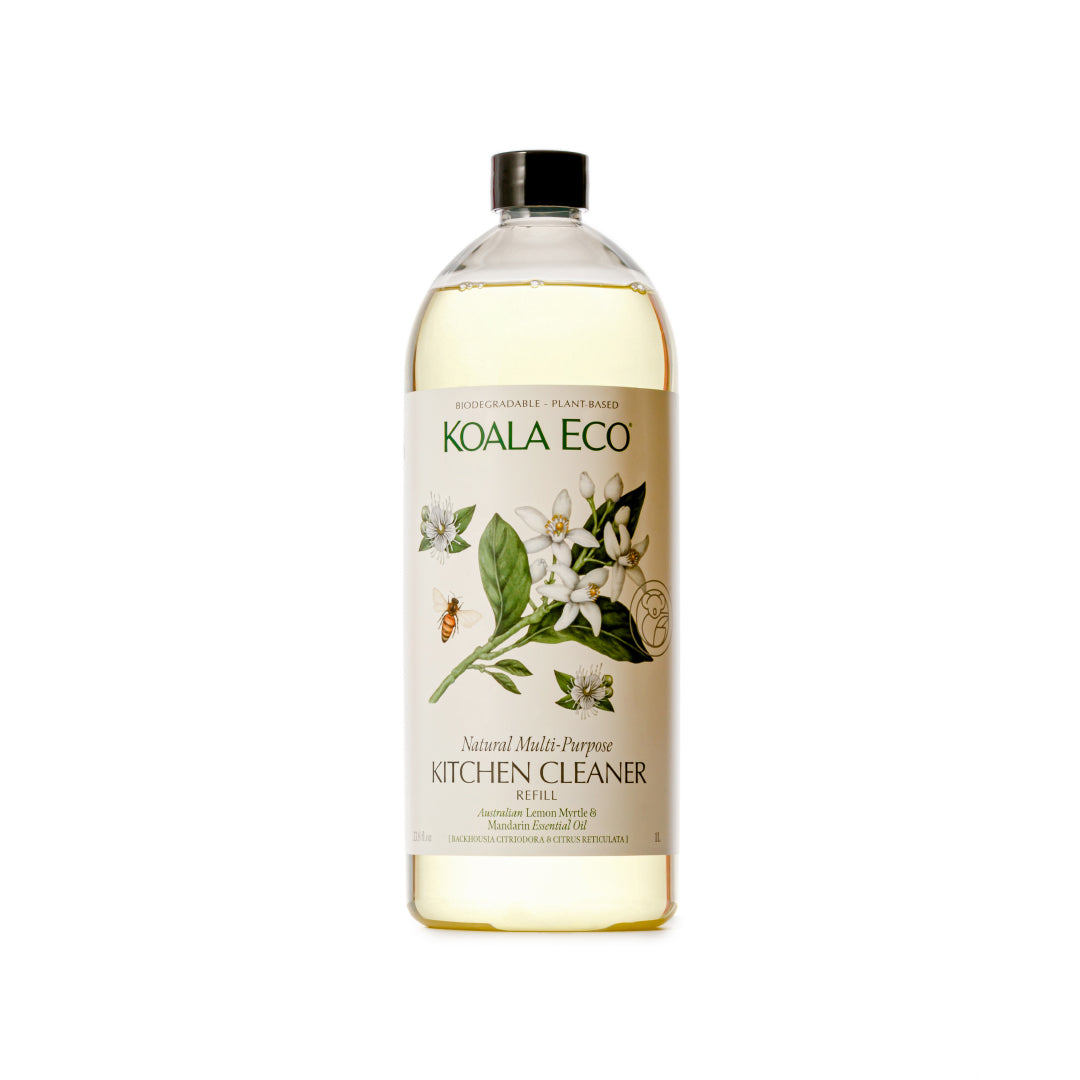
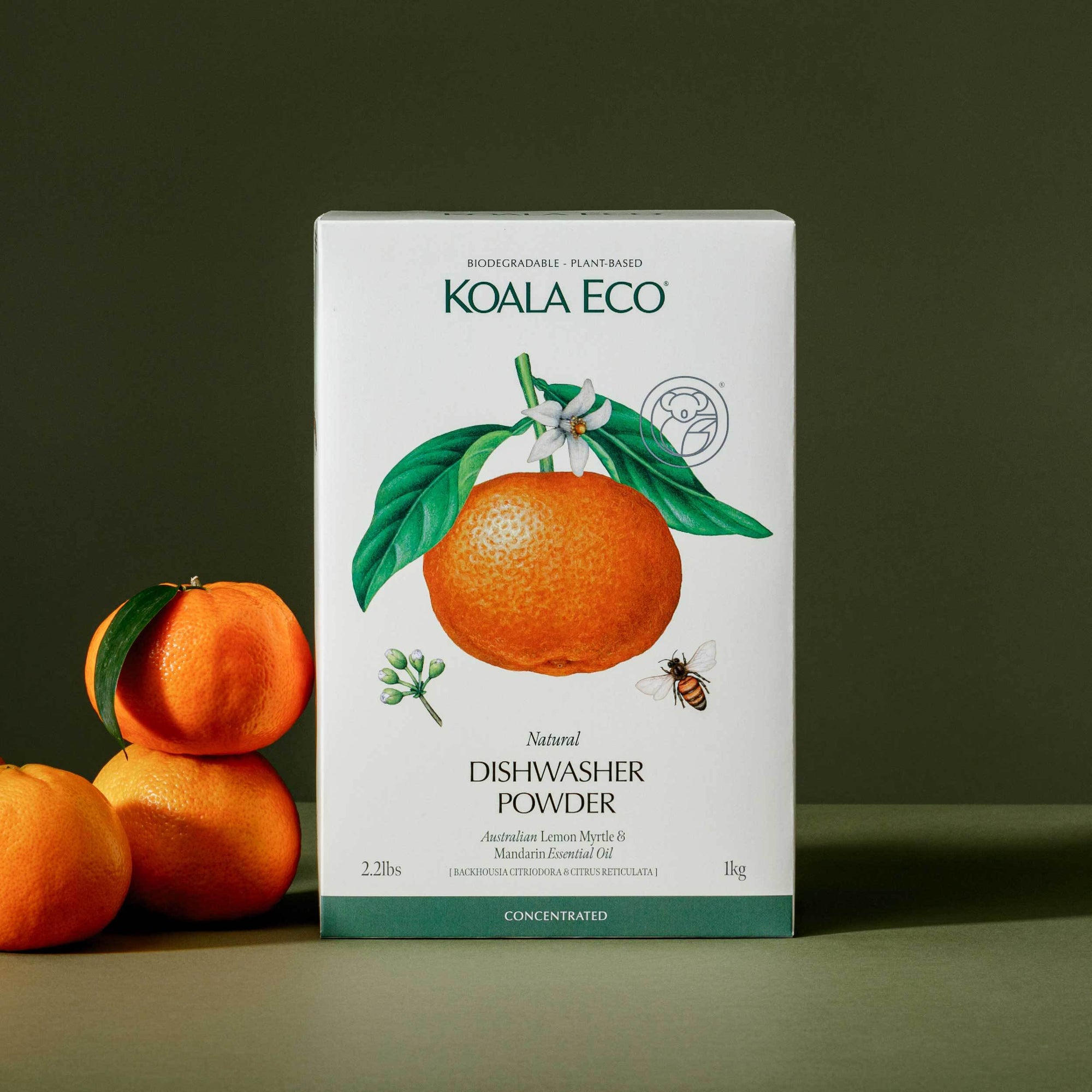
Mandarin
Citrus reticulata
Australian Citrus Groves
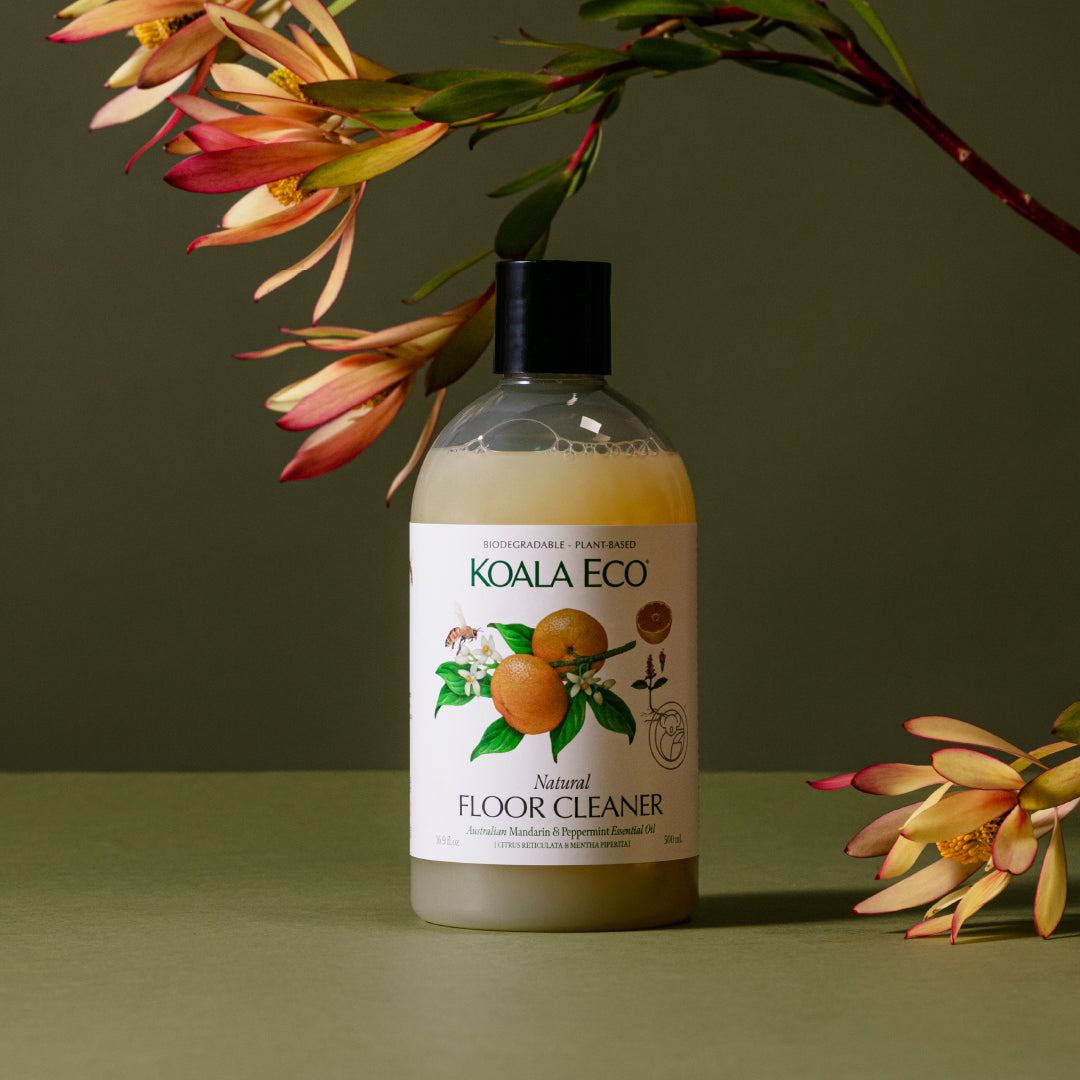
Mandarin travelled ancient trade routes before flourishing in Australian orchards.
The fruit originated in Southeast Asia, moving gradually across continents through centuries of cultivation and exchange. By the nineteenth century, citrus varieties had found a natural home in Australia’s temperate growing regions, where sunlight and soil proved ideal.
The oil is cold-pressed from peel rich in limonene. Unlike distilled oils, citrus oils are expressed directly from the fruit’s rind, preserving the bright volatile compounds held within its skin.
Its warmth is measured and gently optimistic. Limonene has been widely studied for its uplifting psychological effects, associated with improved mood and reduced stress markers.
In daily life, citrus often marks the beginning of activity — morning kitchens, fresh air moving through open windows. Mandarin carries that sense of quiet renewal.
It brings light and happiness into ritual.