Do you tend to make similar choices to your parents in terms of politics, beliefs, spending, lifestyle, even shopping habits? Take a quick moment to consider.
Research on inherited behaviours commonly examines how everyone’s development is influenced by a combination of genetic and environmental factors. While the tipping point between nature and nurture remains a matter of debate, there are indications that we often tend to emulate the behaviour of our parents.
For example, a study carried out by Greymatter Research Consulting and Russ Reid Company in the States in 2010[1] indicated that ‘what parents say and do when it comes to charitable giving and volunteering makes a big difference in the charitable activities of their children once those kids grow up.’ Findings from the Heart of the Donor survey showed that today’s volunteers are 125% more likely to have come from parents who encouraged their children to volunteer, and 145% more likely to have come from parents who frequently volunteered. In Australia, a report[2] commissioned by ALDI using YouGov surveying carried out in 2022 suggested that:
As many as 8.8 million Aussies (45%) say they have inherited their parents’ grocery shopping behaviours when it comes to selecting their supermarket of choice, digging their heels in even more so than when it comes to institutions like banks (40%), and well above other brands like cars (23%) and energy companies (17%) – showing how much of an influence parents have over future generations and their shopping habits.
So those of us who are parents or primary carers of children are most likely also having a meaningful influence on the next generation…just like our parents and carers did on us.
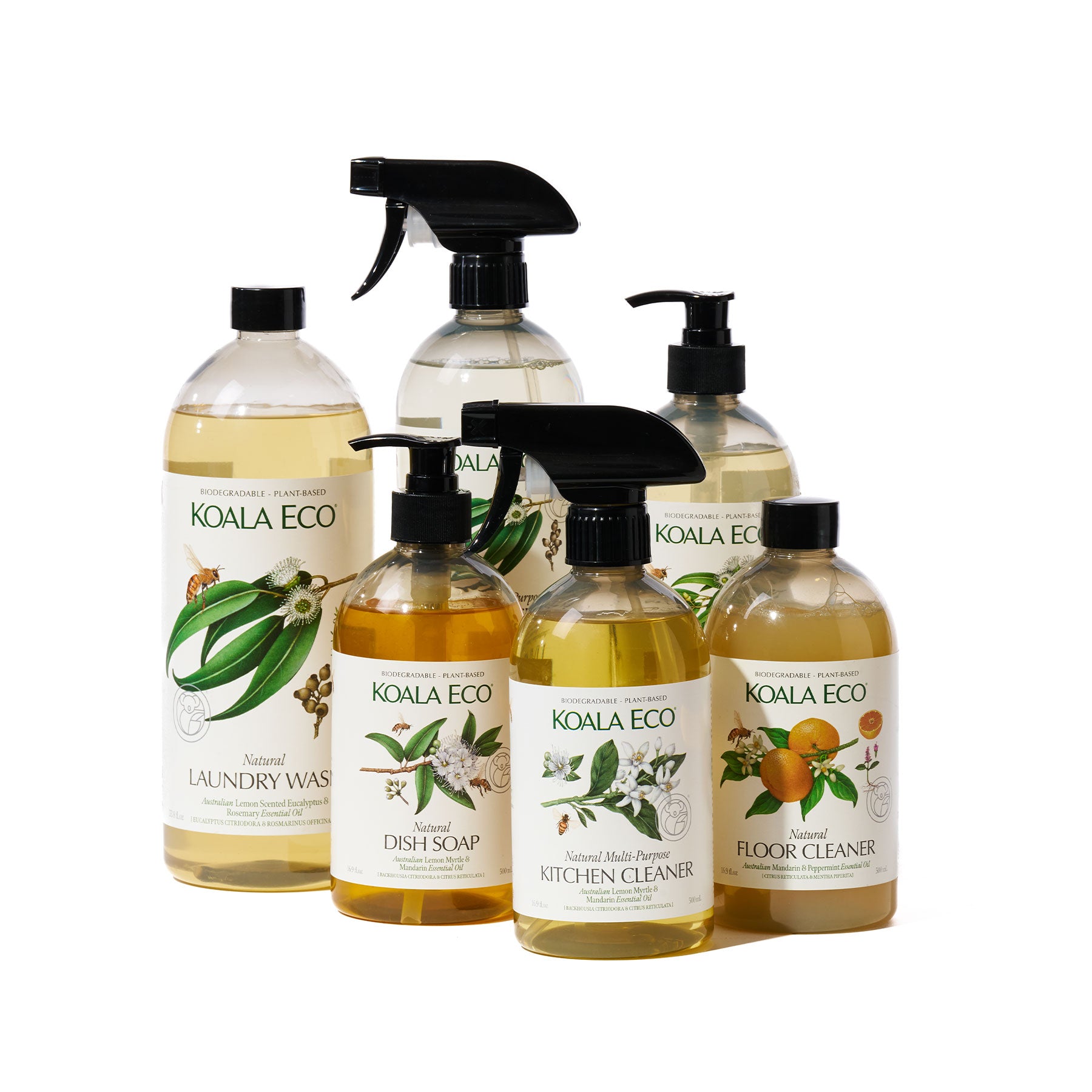
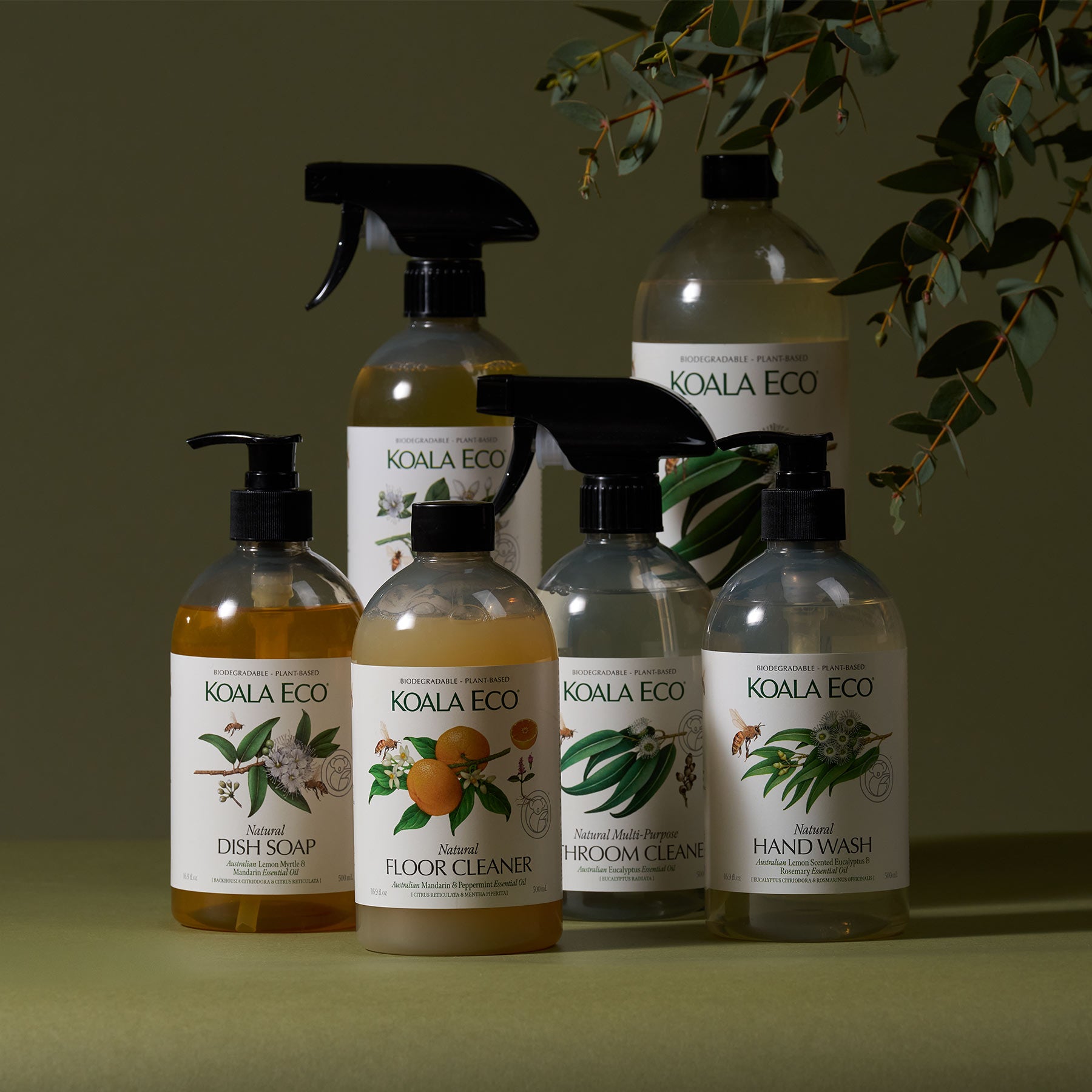
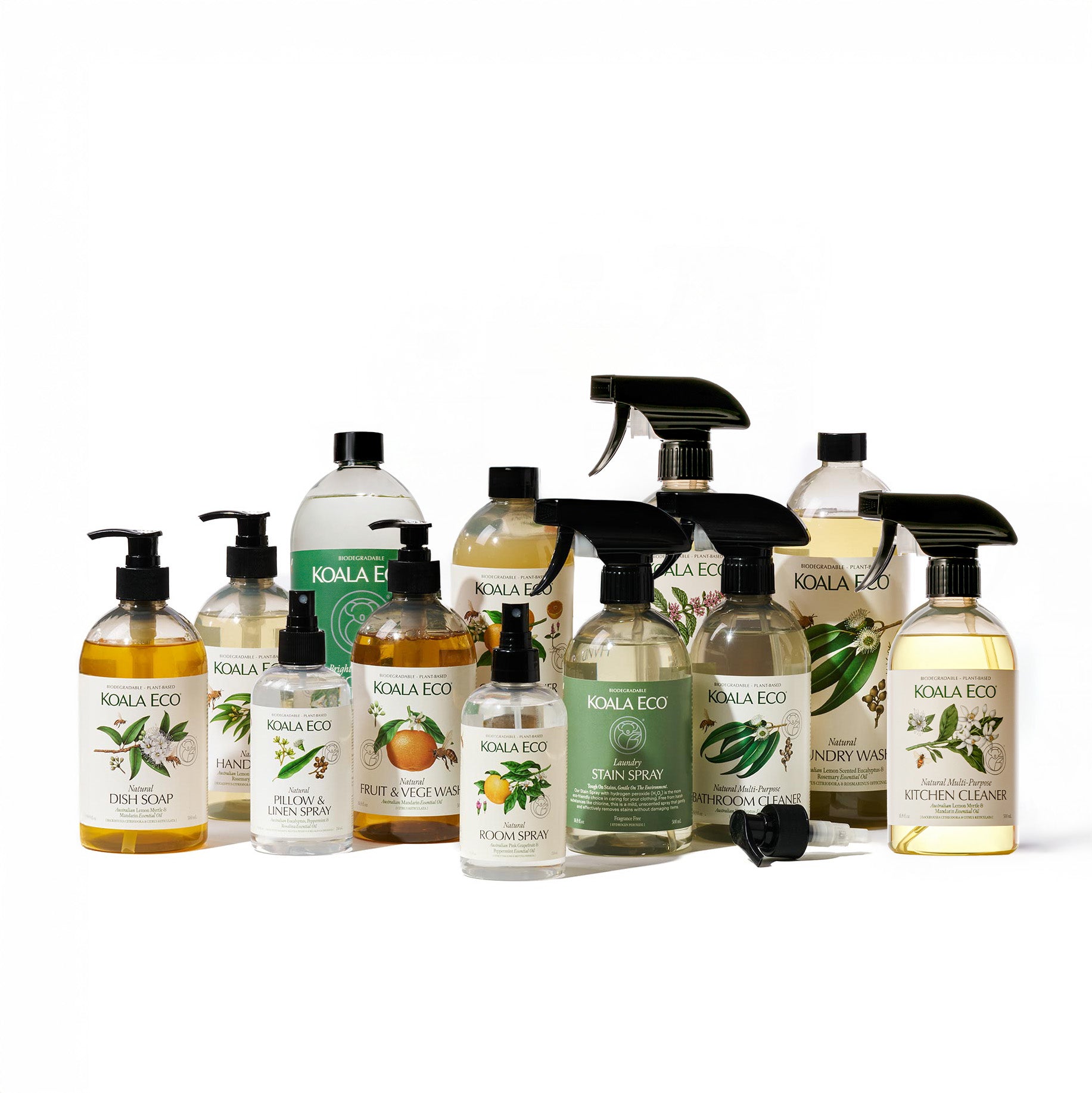
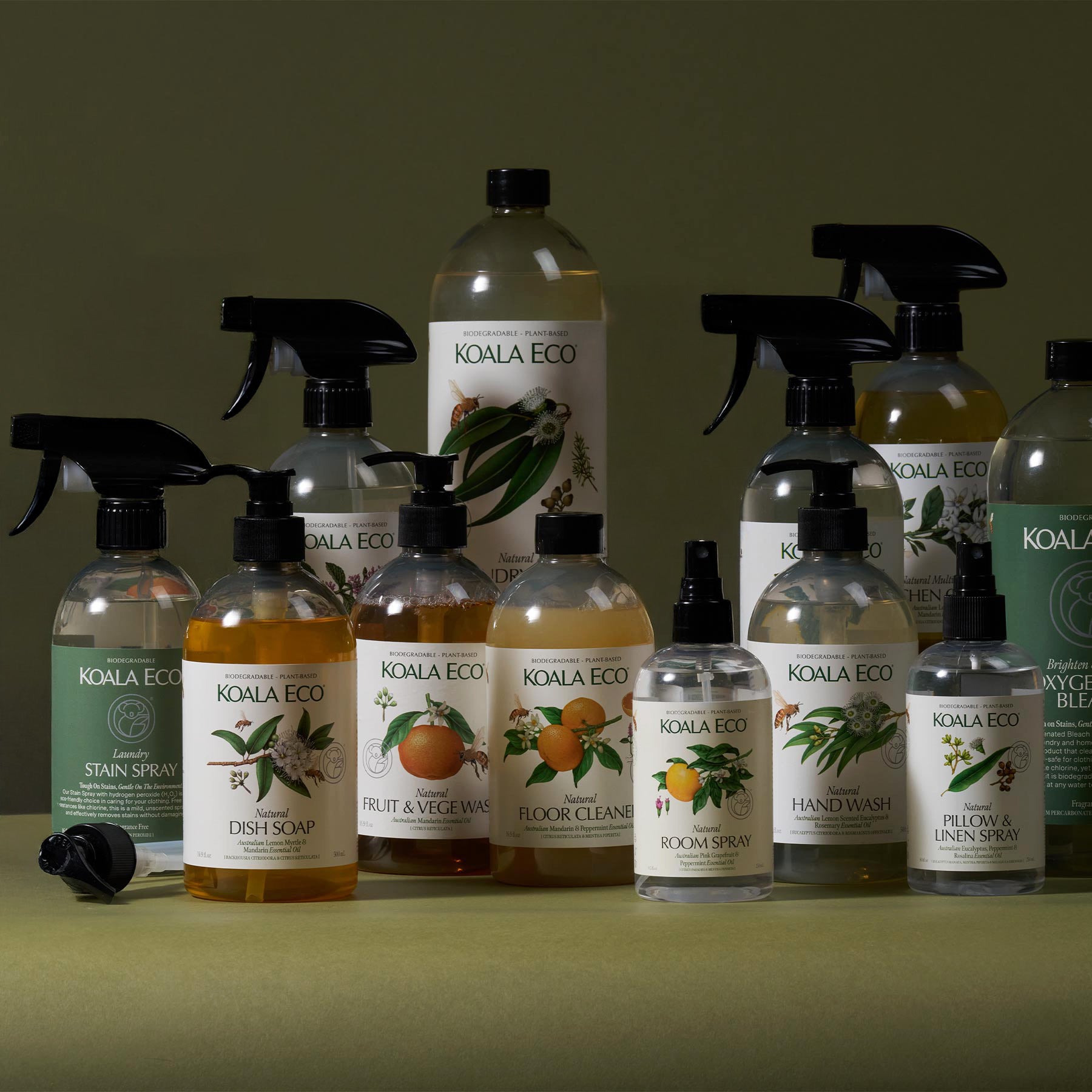
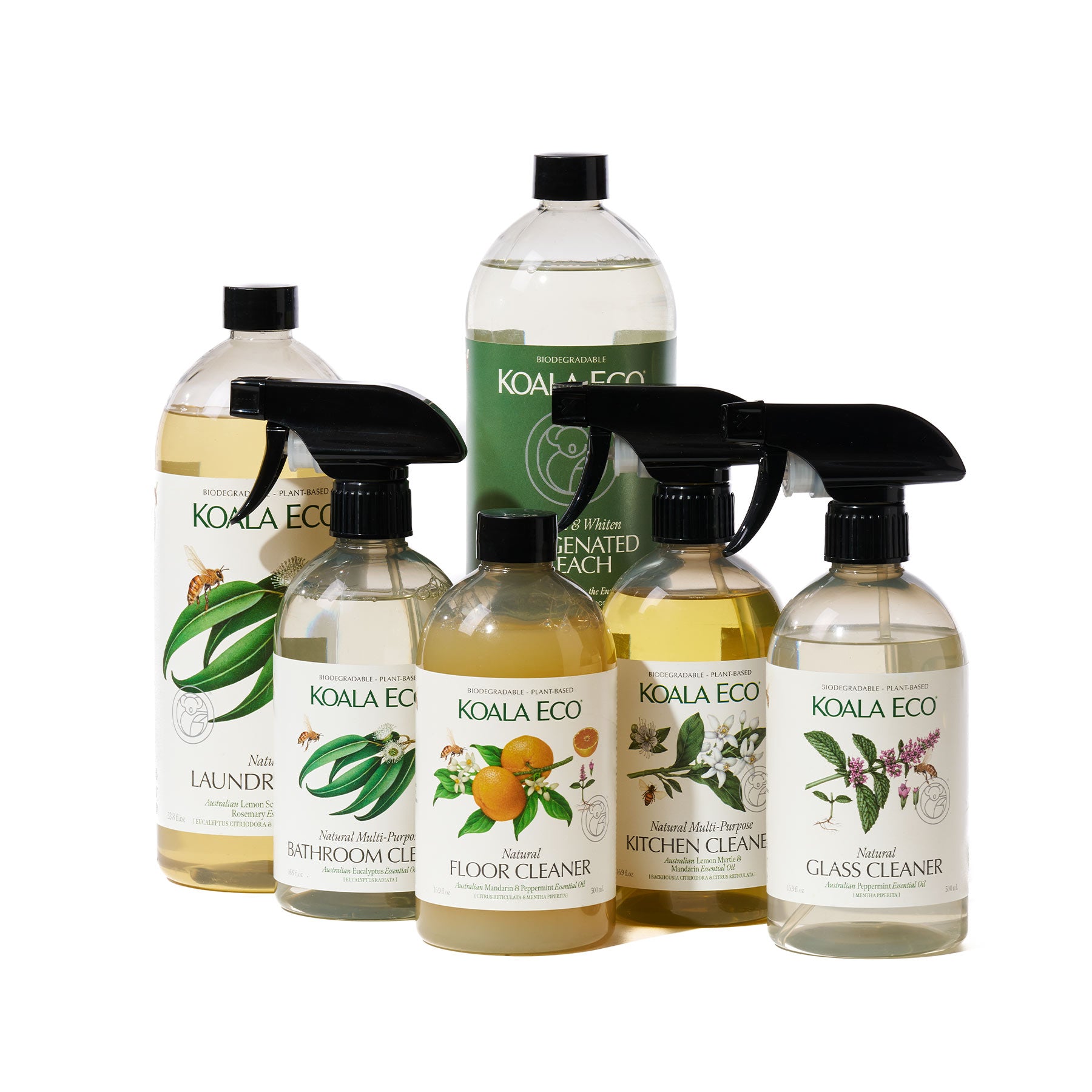
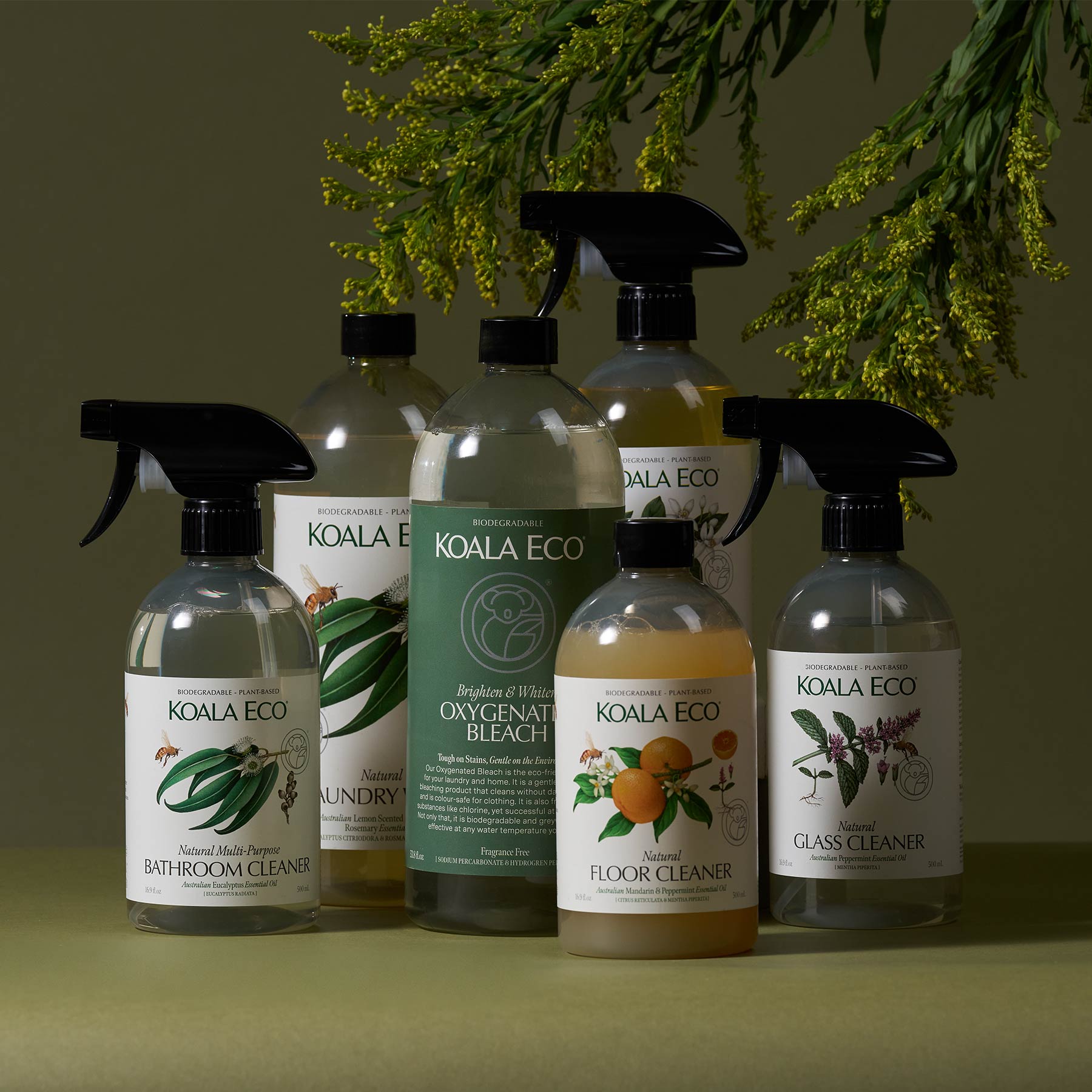
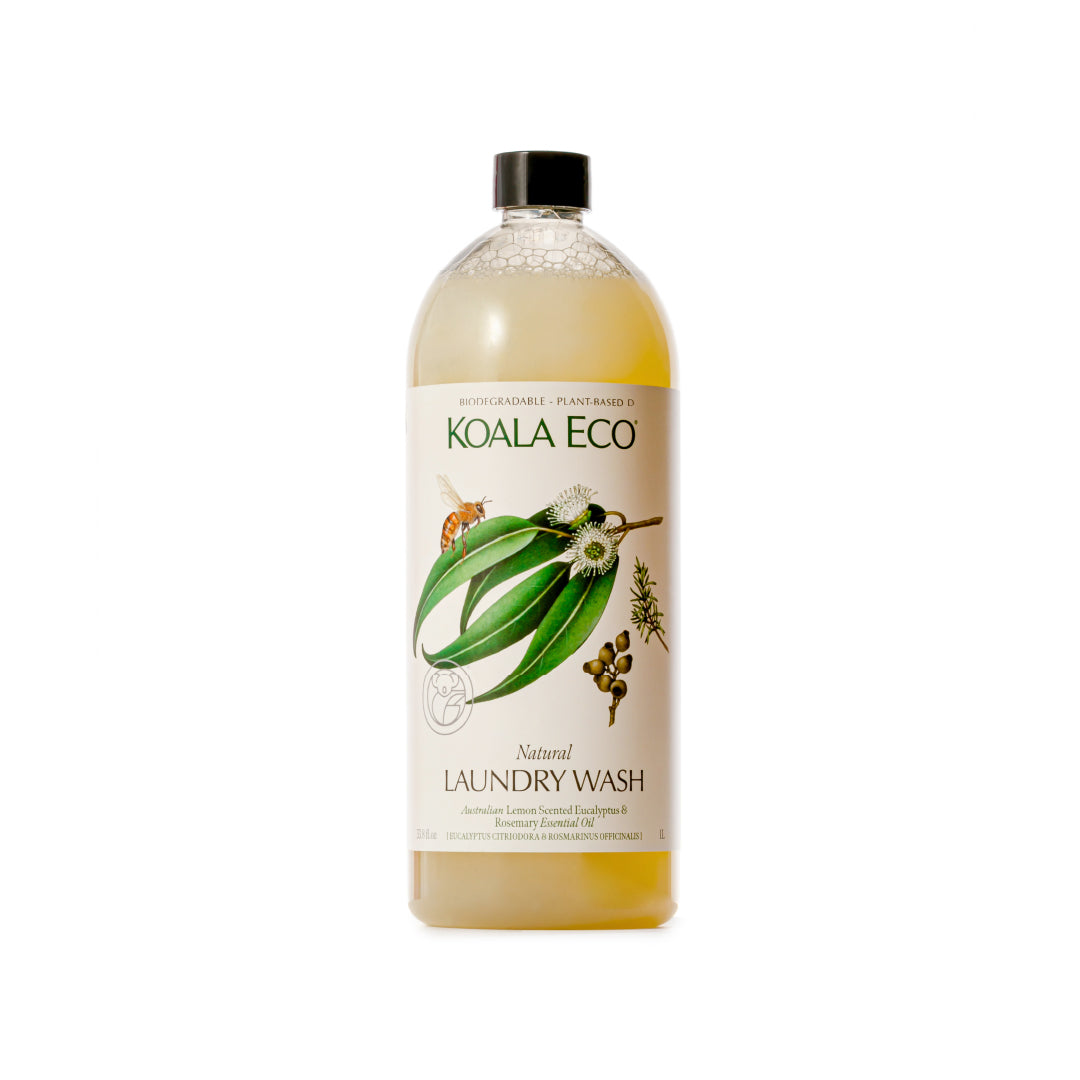
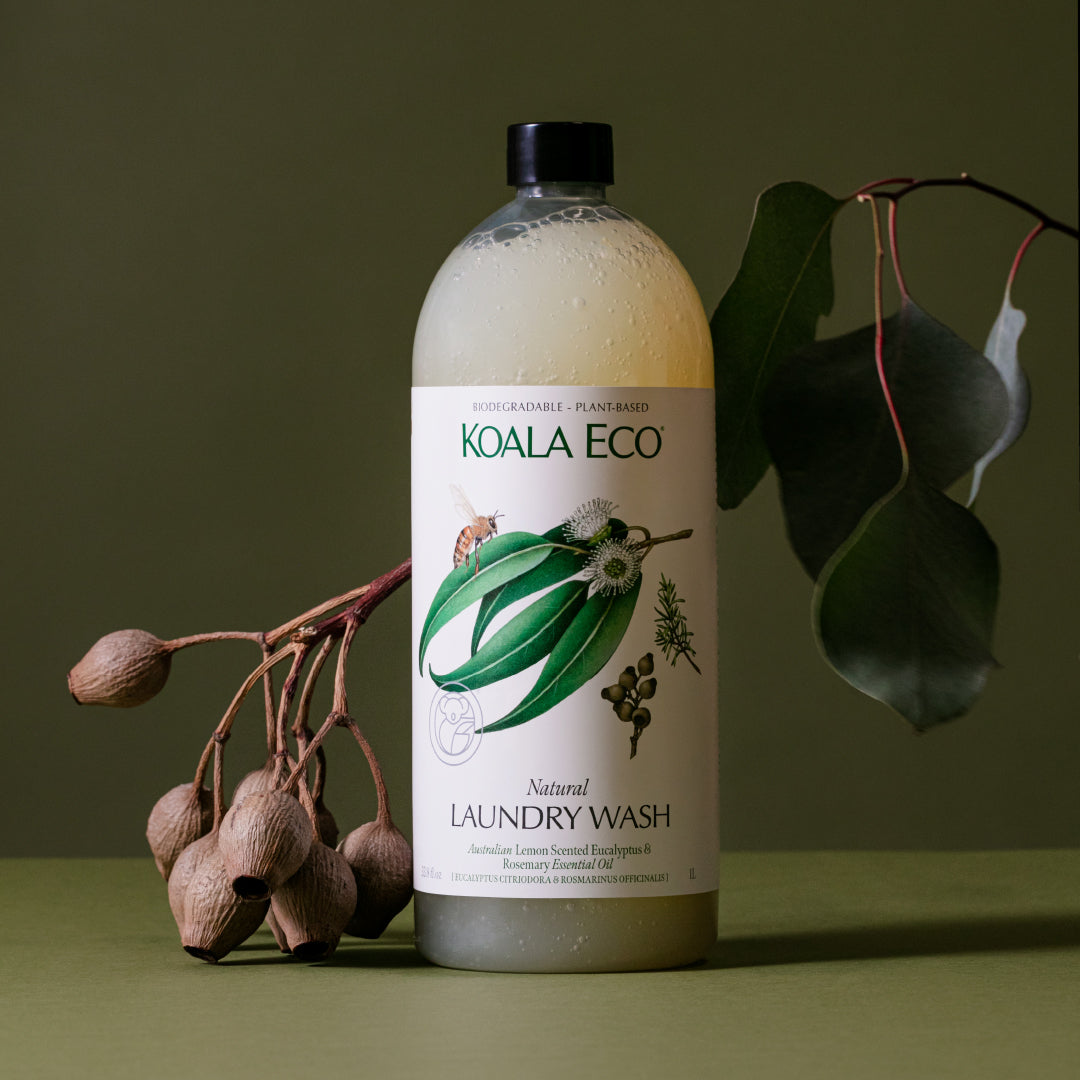
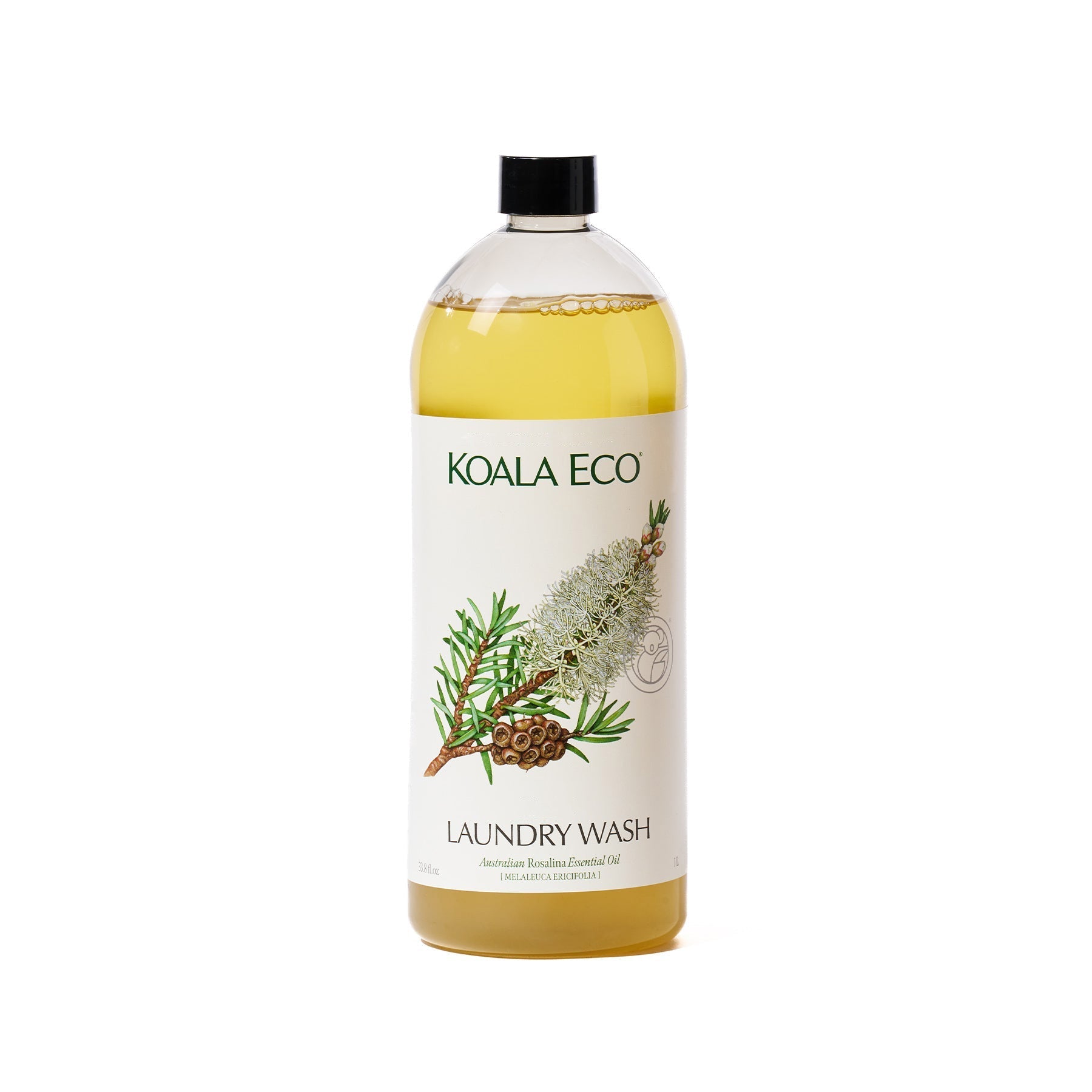
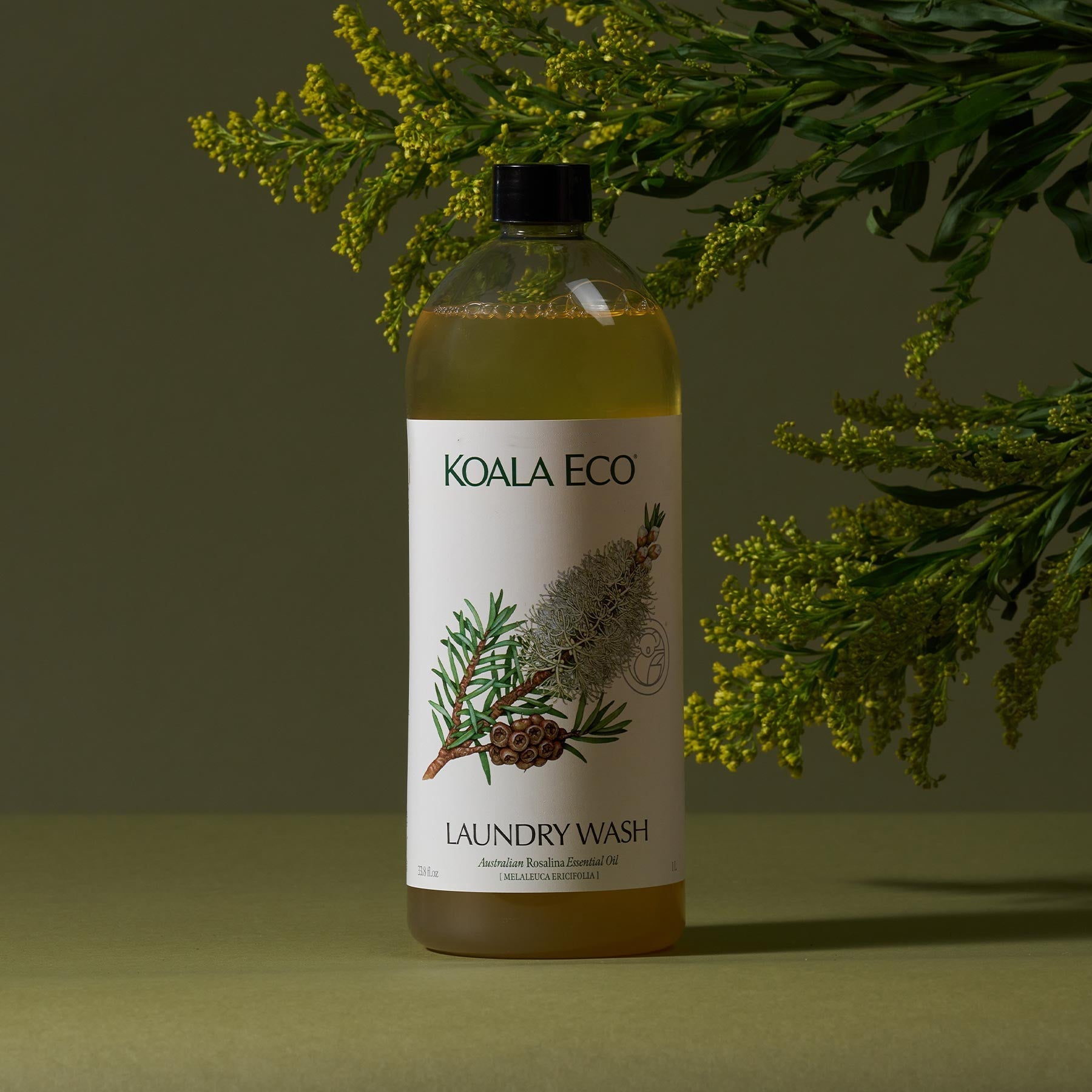
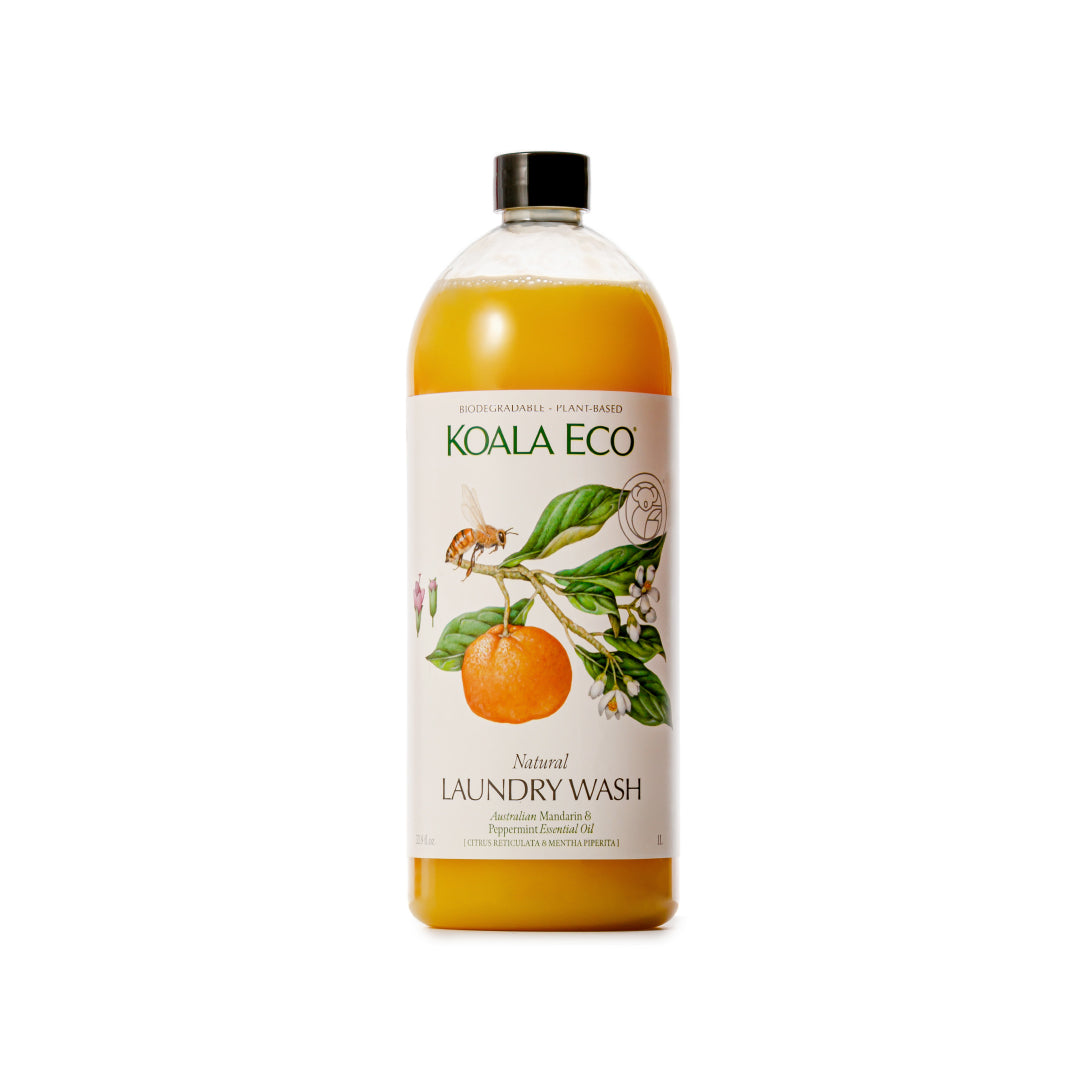
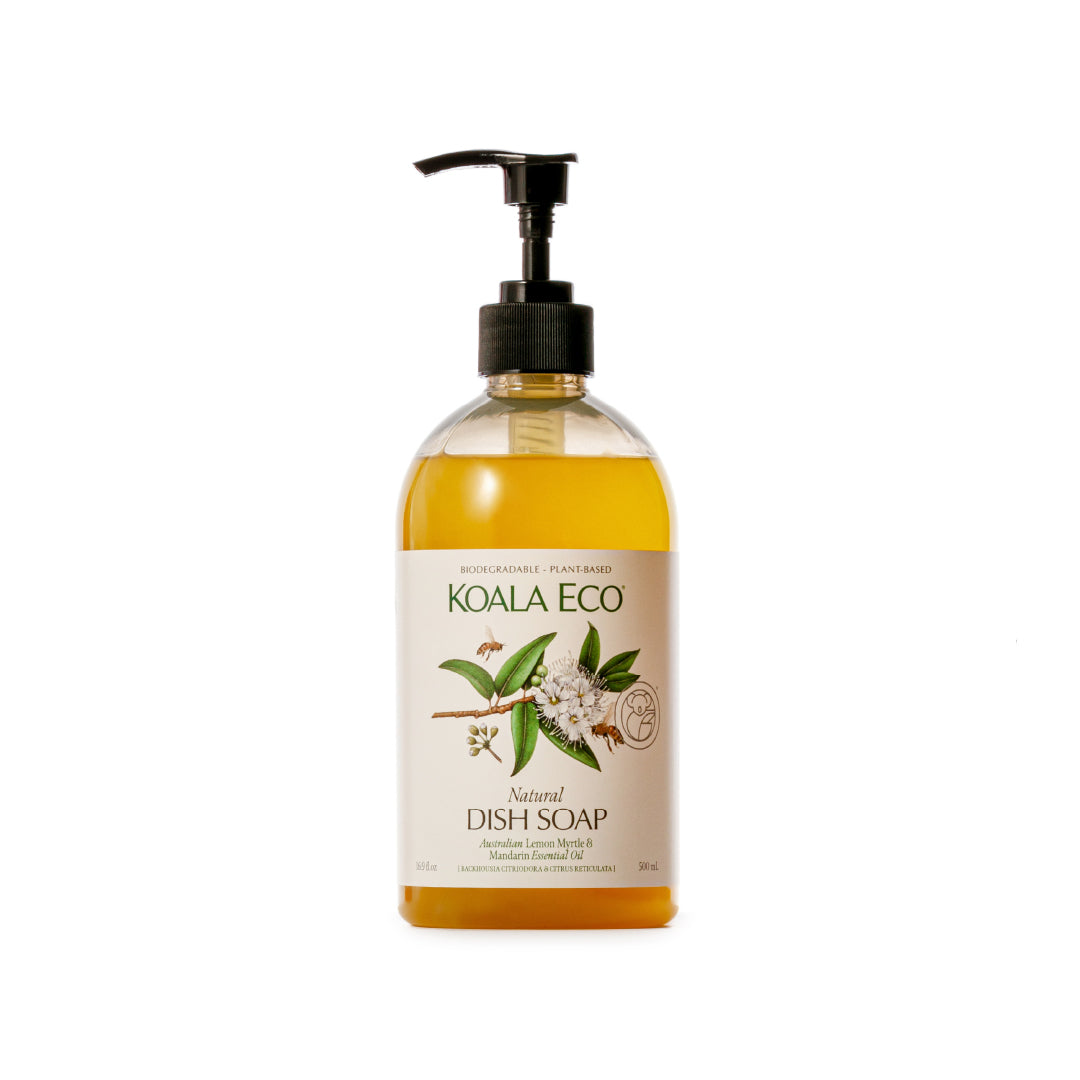
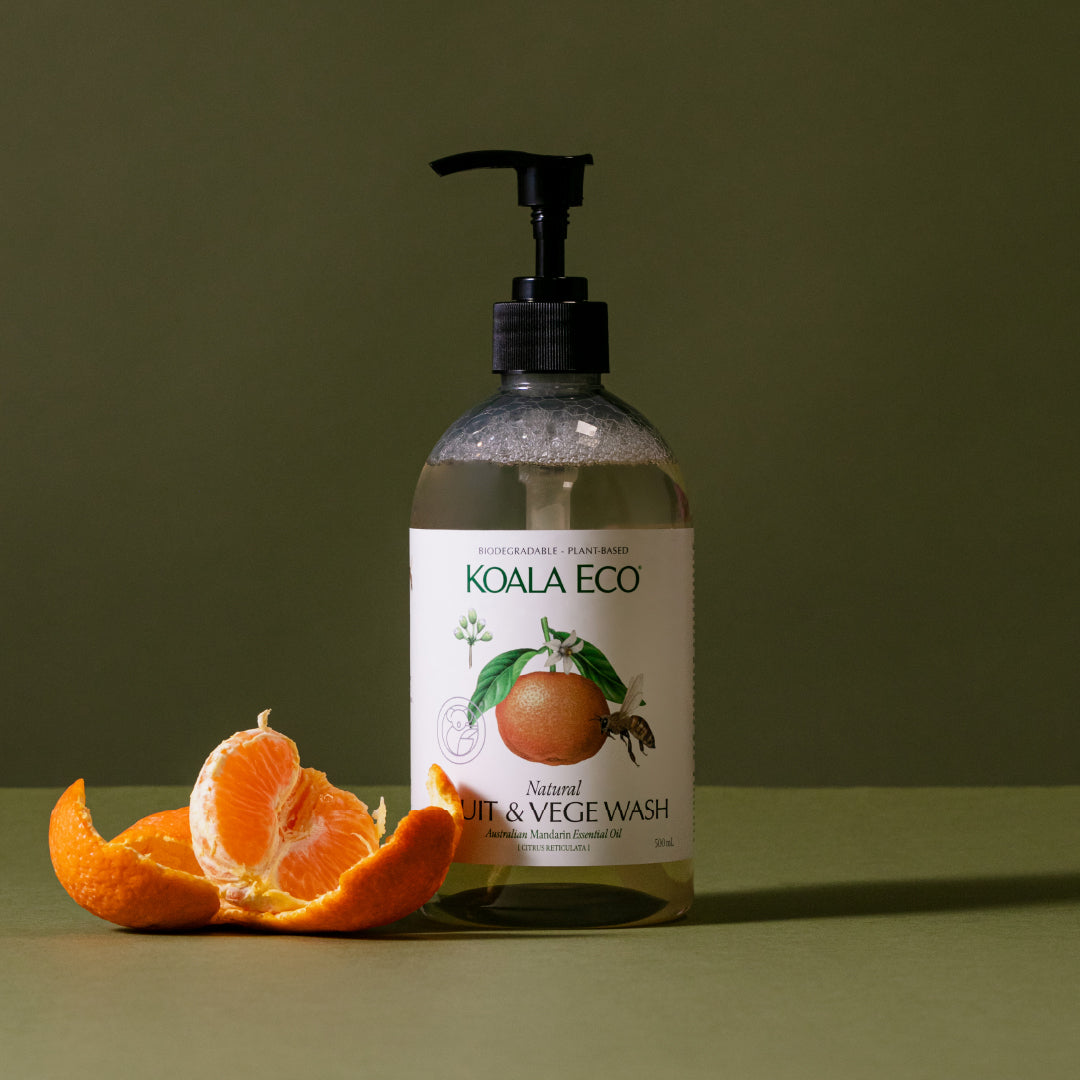
If that's the case, any of our positive and mindful habits concerning eco-friendly practices and products have a good chance of becoming integral to our kids’ lifestyles too, as they progress into adulthood and have families of their own. And if our household routines promote the therapeutic and cleansing power of 100% natural essential oils as opposed to artificial solutions, we’re potentially gifting our families with the ongoing benefits of aromatherapy and planet-friendly choices: things that arguably will become increasingly critical to everyone’s wellbeing.
[1] https://greymatterresearch.com/heart-of-the-donor/
[2] https://www.aldiunpacked.com.au/the-parent-trap-how-your-parents-shopping-habits-could-be-costing-you-at-the-checkout/