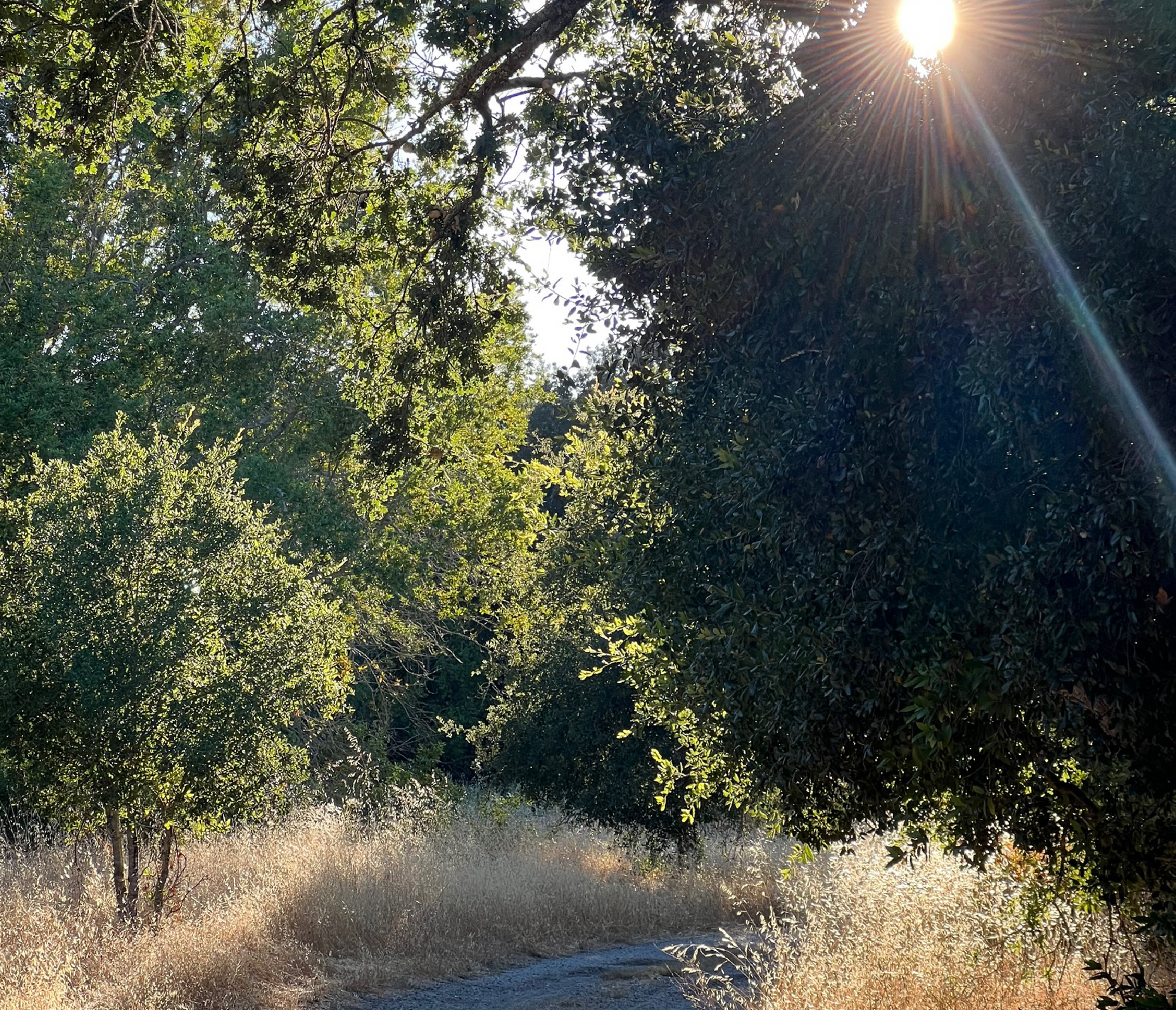
Recently I’ve been inspired by a column by Jancee Dunn that I read in The New York Times: “How to make your walk a micro adventure.” The idea is that wherever you are, in an urban setting, up in the mountains or deep in the bush, there is always something a little more to gain from the art of noticing, discovery and inquisitiveness.
First, let’s address the elephant in the room (in the forest or by the river)! If you can’t be without your phone, use it to expand your knowledge. Hear a different bird call? Why not record it and identify it when you get back home? Same for a plant or bug you’re unfamiliar with: take a photo and save the identification for when you’re back indoors.
If you can leave your phone at home (or in your pocket), here are some of the ideas that have caught my imagination. Go on a “scent walk” and notice every smell. Even if you take the same route to walk the dog or from the bus stop to the office, you’d be surprised how well you can tune your nose to the difference the weather or the time of day makes to the atmosphere.
Sgt. Rob Mastrianni, a park ranger in Manhattan, recommends looking up, especially if you’re in a city. New York City has bald eagles. Hong Kong has black kites. You might be lucky enough to spot brown goshawks if you're in Sydney. Ospreys hunt for fish in the Derbarl Yerrigan (Swan River) and Djarlgarro Beelier (Canning River) in Perth, oblivious to rowers and freeway traffic roar.
What if your walk takes you through desert or bush or close to water? Try re-experiencing your surroundings through a sense other than sight. The temperature of the sand or soil, the humidity (or otherwise) of the air. Is it possible to taste the weather? Salt on the breeze? We’re creatures of nature; after all, it's just that so many of us have lost touch with how to be part of nature.
An amazing way of a walk becoming a proper adventure is when it’s led by a First Nations person with intimate knowledge of the Country you’re on, and the authority to speak for that Country. There is nothing like having the opportunity to be guided by somebody whose knowledge is part of such a deep and enduring connection with land. What you take from this experience will surely enhance every walk you take afterwards.
Read the article at https://www.nytimes.com/2023/06/23/well/move/walk-microadventure.html
Plant identification: try the Flora Incognita app
Insect identification: try the Critterpedia or Identifly apps
Birdcall identification: try the BirdGenie app