With the new year well underway, it’s the ideal time to set your intentions for every facet of your life. Rather than taking an overly rigorous or exacting approach to new year’s resolutions — which can often end in failure — we prefer to implement simple changes that go a long way towards improving our physical and mental health. This year, we’re focusing on cleaning up our everyday routines by reducing our exposure to potential toxins.
The health risks associated with exposure to heavy metals (such as mercury, lead, and cadmium), pesticides, and herbicides are widely known. However, conventional household and personal care products also contain lesser discussed hazardous ingredients that contribute to toxic load in our bodies, with a build up of toxins potentially causing hormone dysfunction, weakening the immune system, and causing increased sensitivity to allergens.
These are some simple yet effective ways to reduce your (and your family’s) exposure to toxins this year.
Choose natural personal care products
As the largest organ on your body, what you put on your skin matters. Many skincare products contain known endocrine disruptors such as phthalates, paraben, sodium lauryl sulfate, sodium laureth sulfate, triclocarban, and triclosan which can cause hormone disruption. Additionally, the presence of synthetic fragrance can contain ingredients that can be irritating to the skin and cause major health issues. While ‘natural’ skincare products aren’t necessarily better, it’s beneficial to read ingredient lists and avoid formulas that contain known toxic ingredients (such as the ones listed above) and added fragrance — the EWG can be helpful for this.
When it comes to body care products, look for those that add sensory appeal through pure essential oils rather than synthetic fragrance. Our Natural Body Wash contains a potent combination of peppermint and rosalina essential oils, boasting subtle notes of lavender and tea tree which transform a quotidian act into an enveloping sensory ritual.
Bring the outdoors in
Not only do indoor plants increase the aesthetic appeal of your home, they also work to absorb and reduce levels of air pollution emitted from indoor furniture, paints, aerosols, and adhesives. Additionally, certain plants can also reduce stress levels, improve sleep quality and cognitive function, and provide relief from allergies. While the addition of any greenery is beneficial, plants with larger leaves work to purify the air quicker. Good plant options include aloe vera, ferns, snake plant, English ivy, and weeping fig tree.
Swap out your conventional cleaning products for safer alternatives
Much like personal care products, conventional cleaning products are often laden with harmful ingredients like ammonia and volatile organic compounds (VOCs) such as formaldehyde, perchloroethylene, benzene, naphthalene, chlorine, and nitrogen dioxide. These substances are known toxins and contribute to poor indoor air quality; breathing these in can cause or exacerbate headaches, asthma, dizziness, and acute eye, nose, and throat irritation.
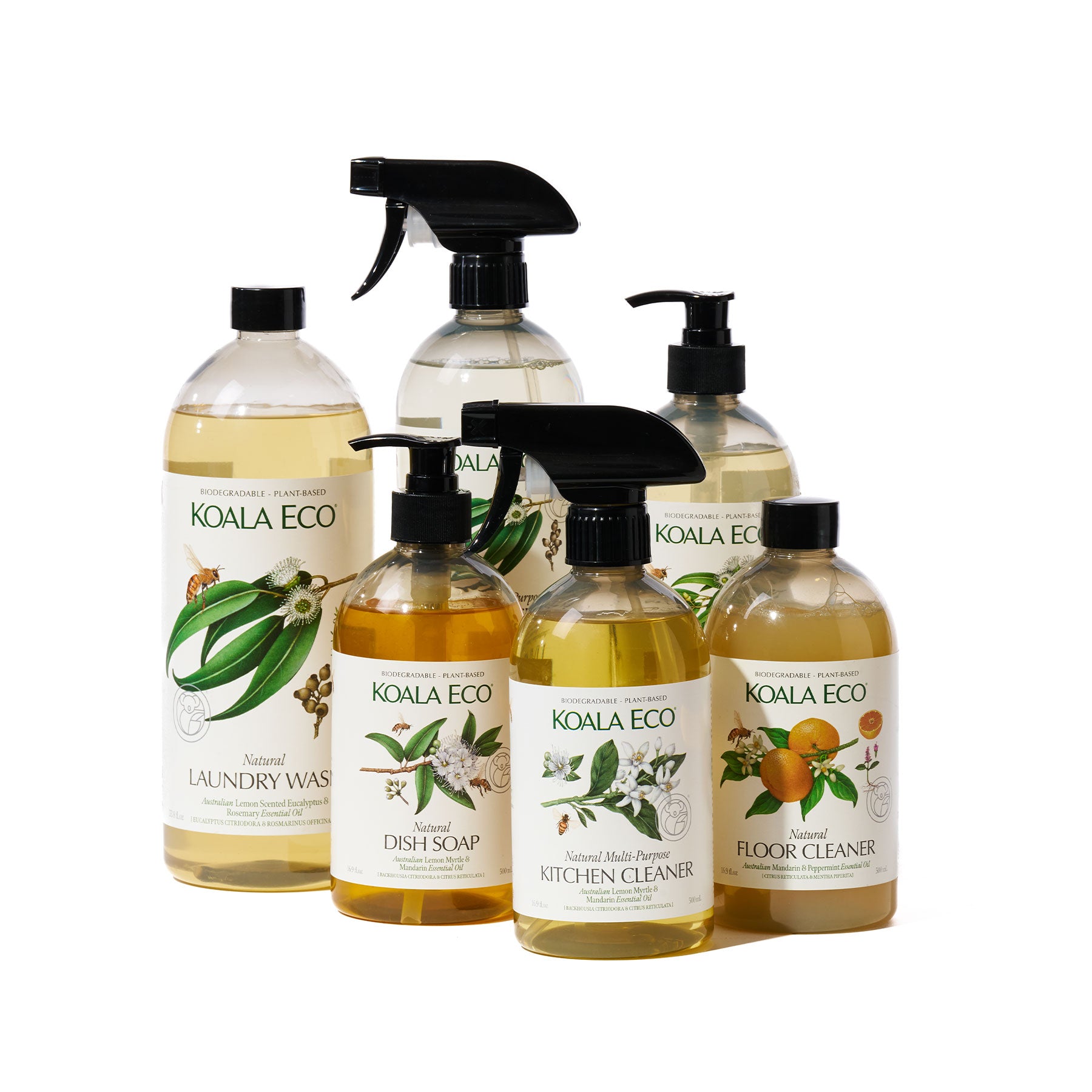
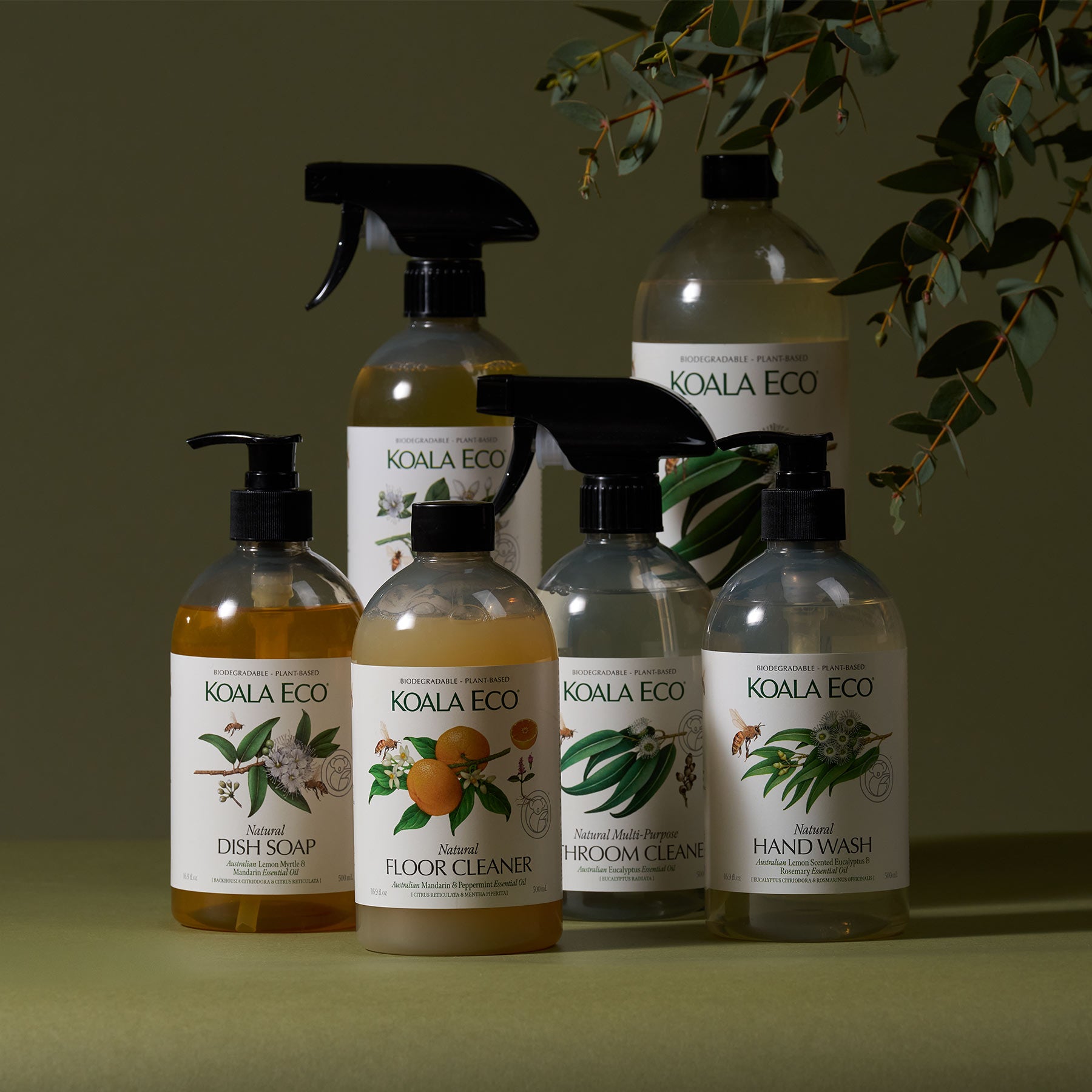
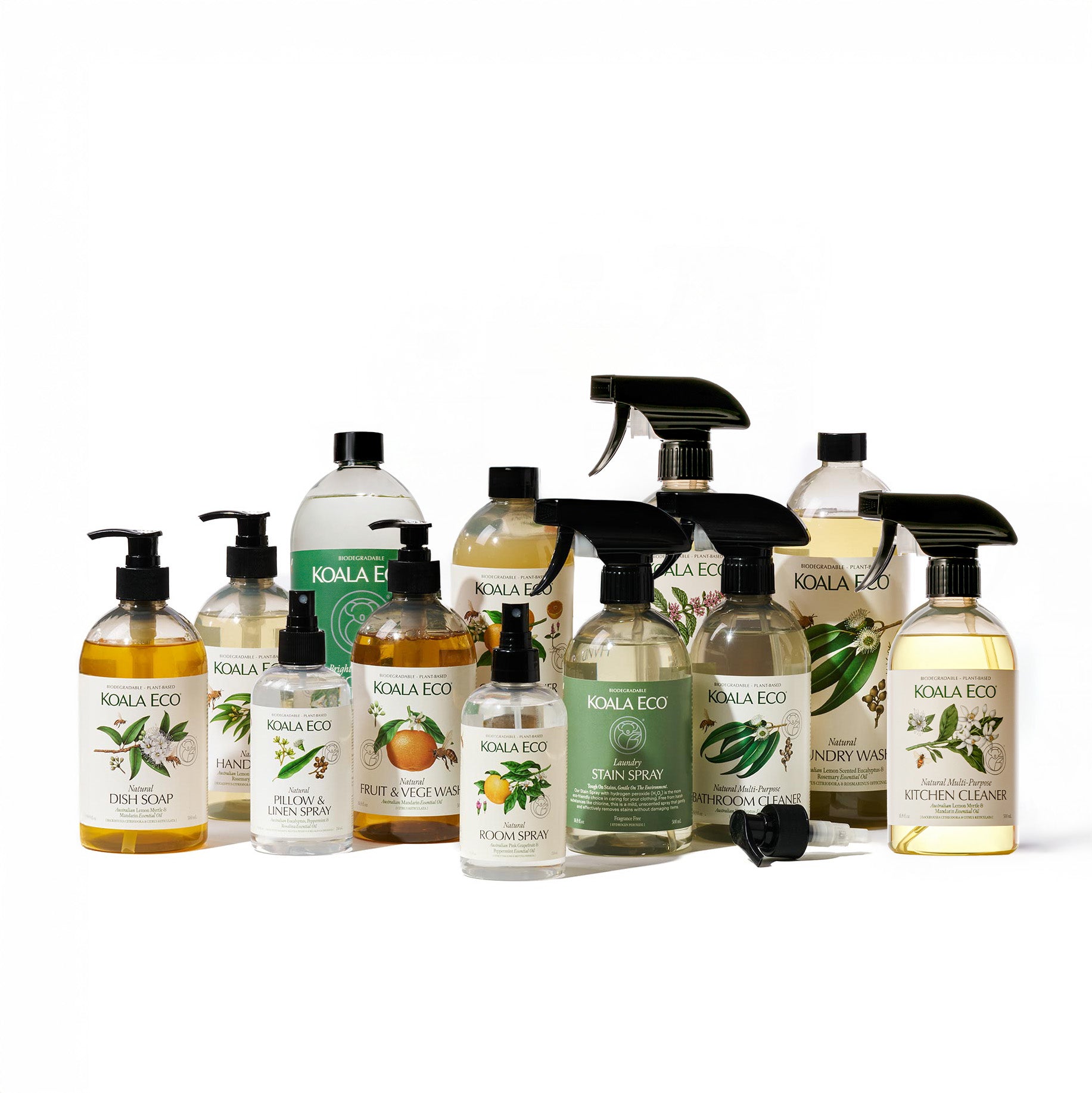
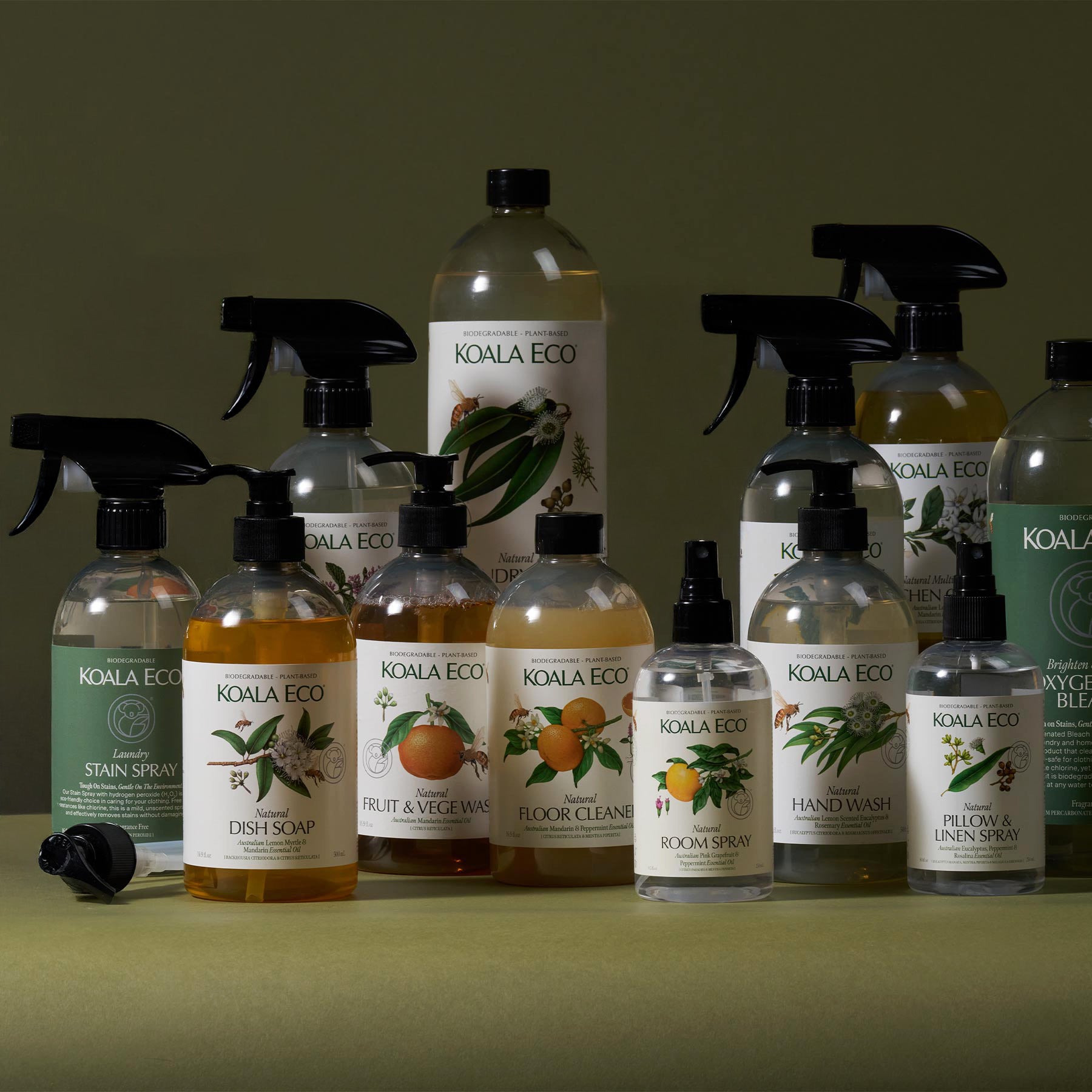
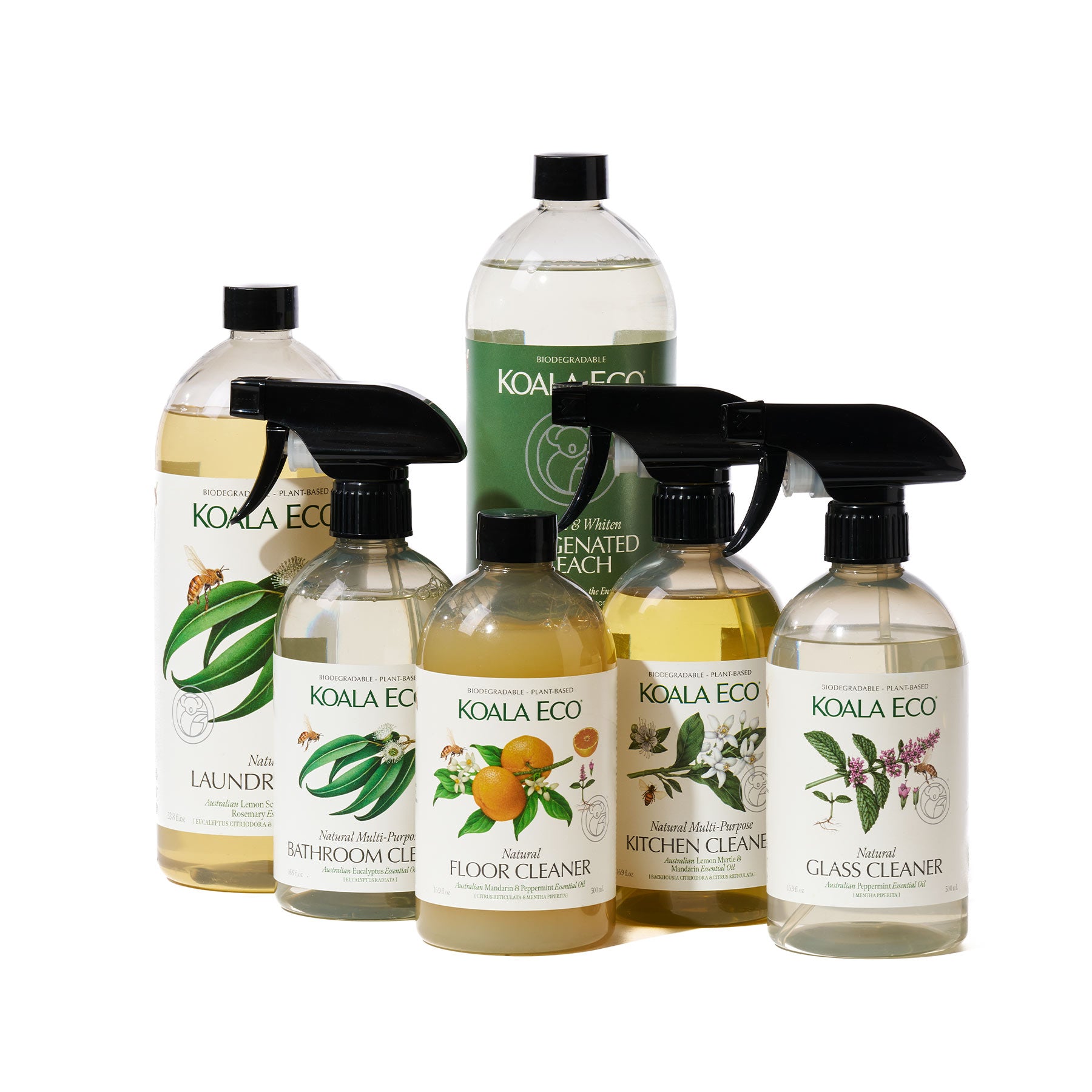
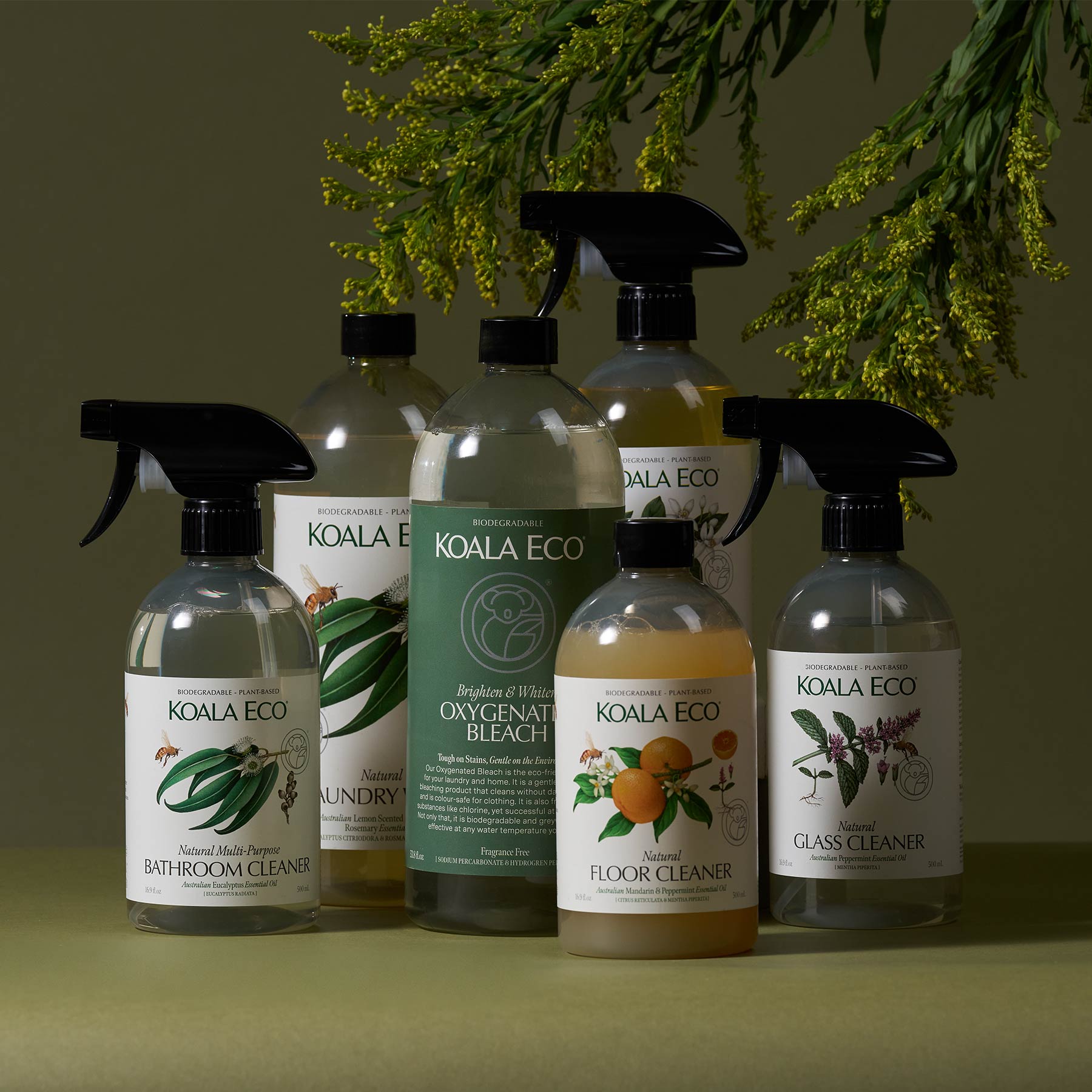
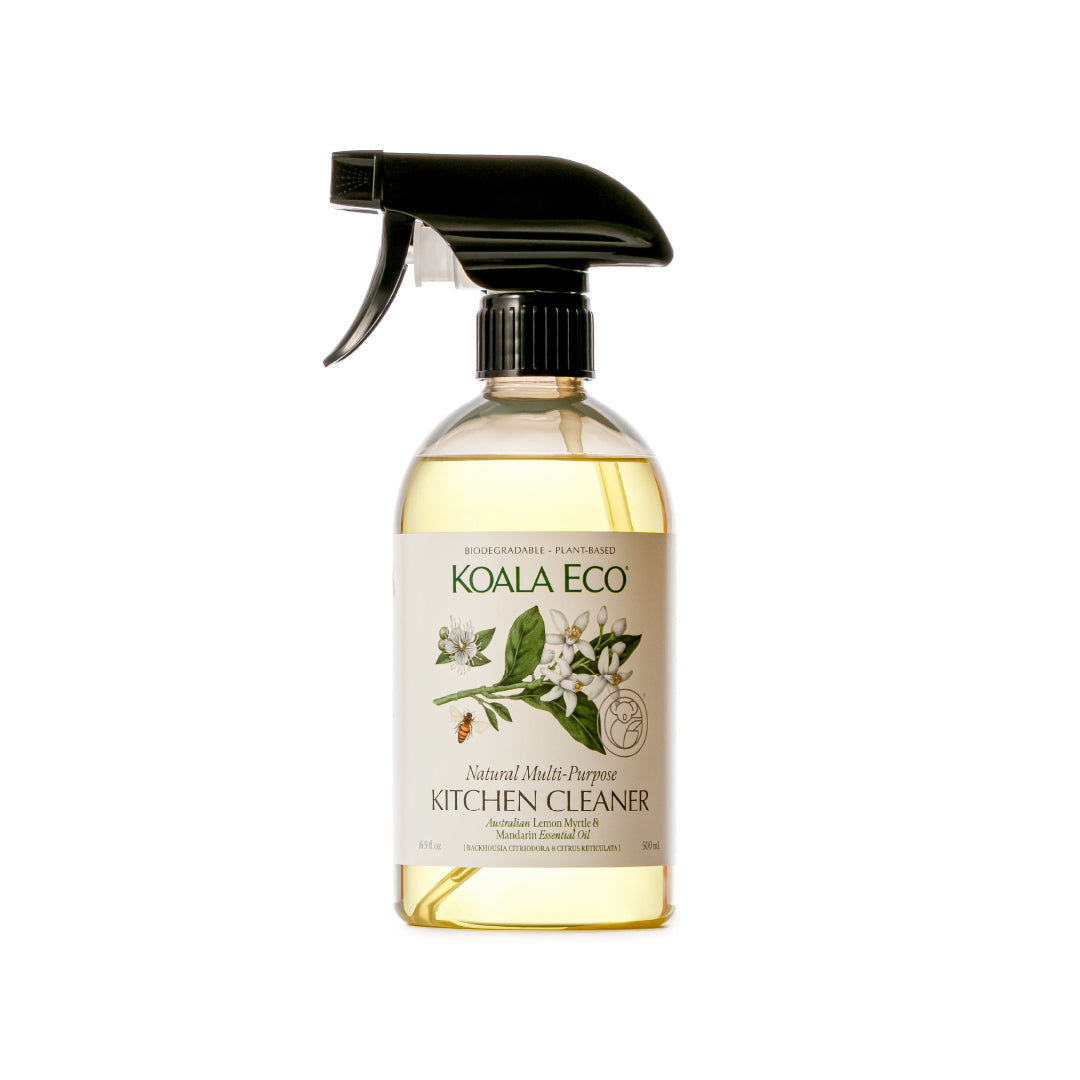
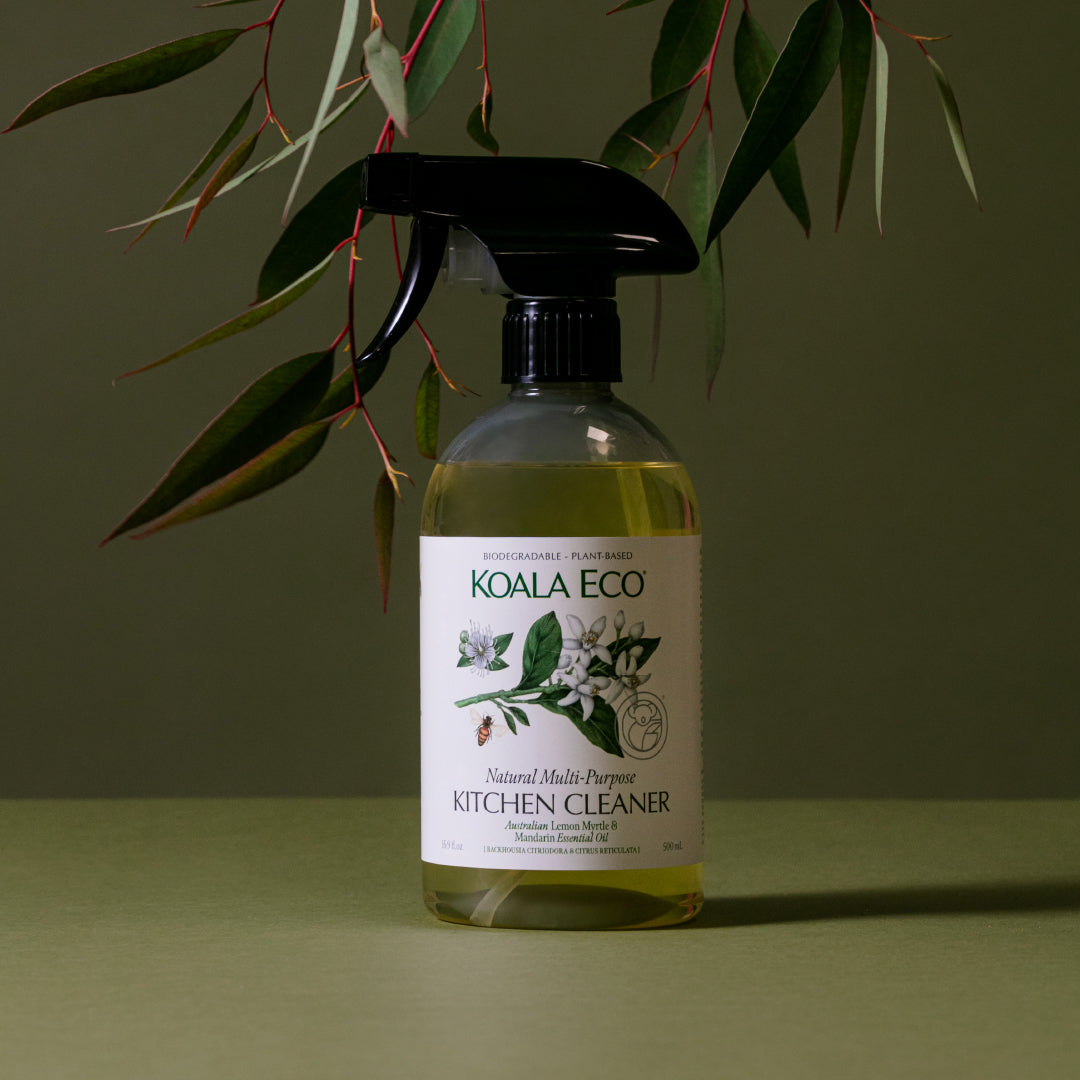
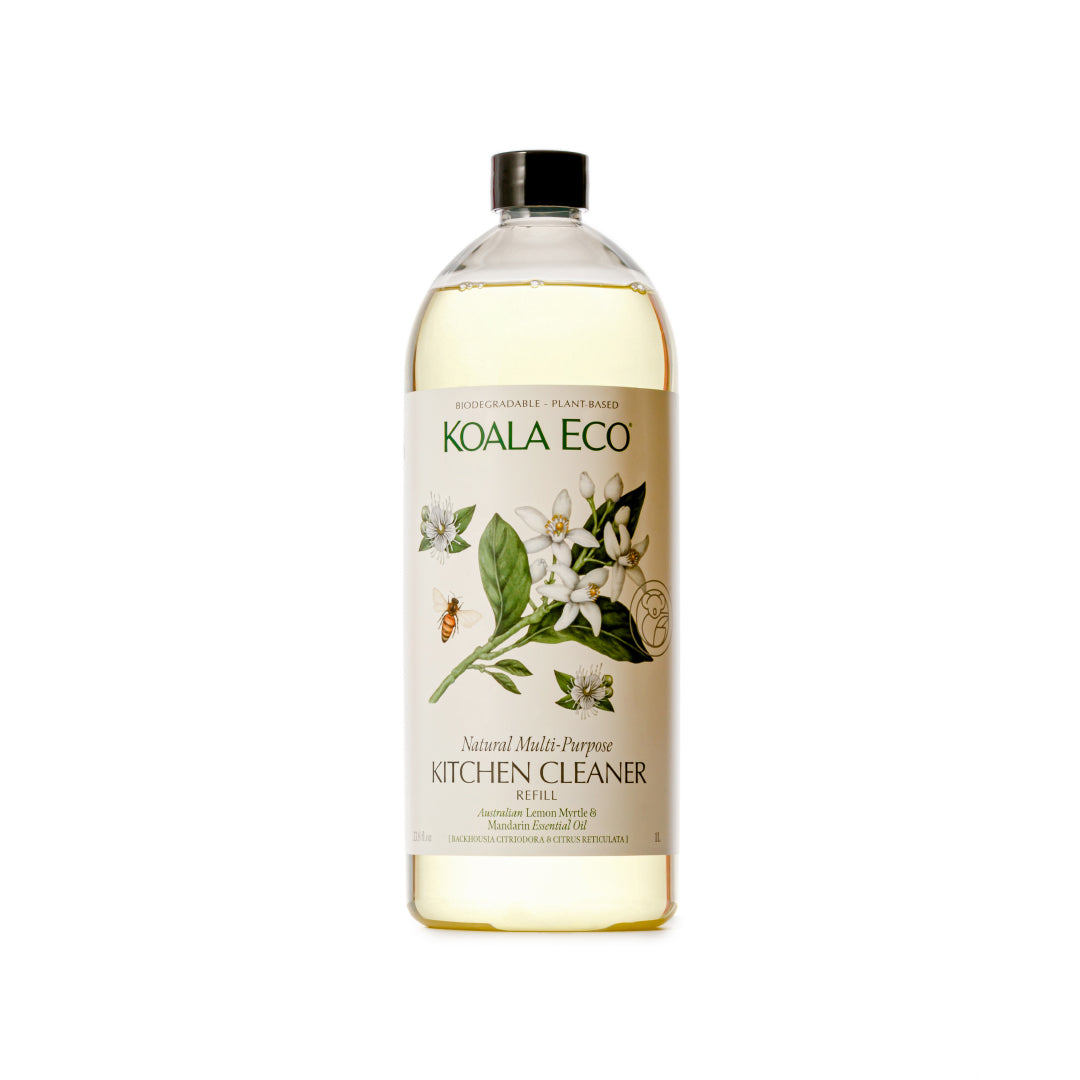
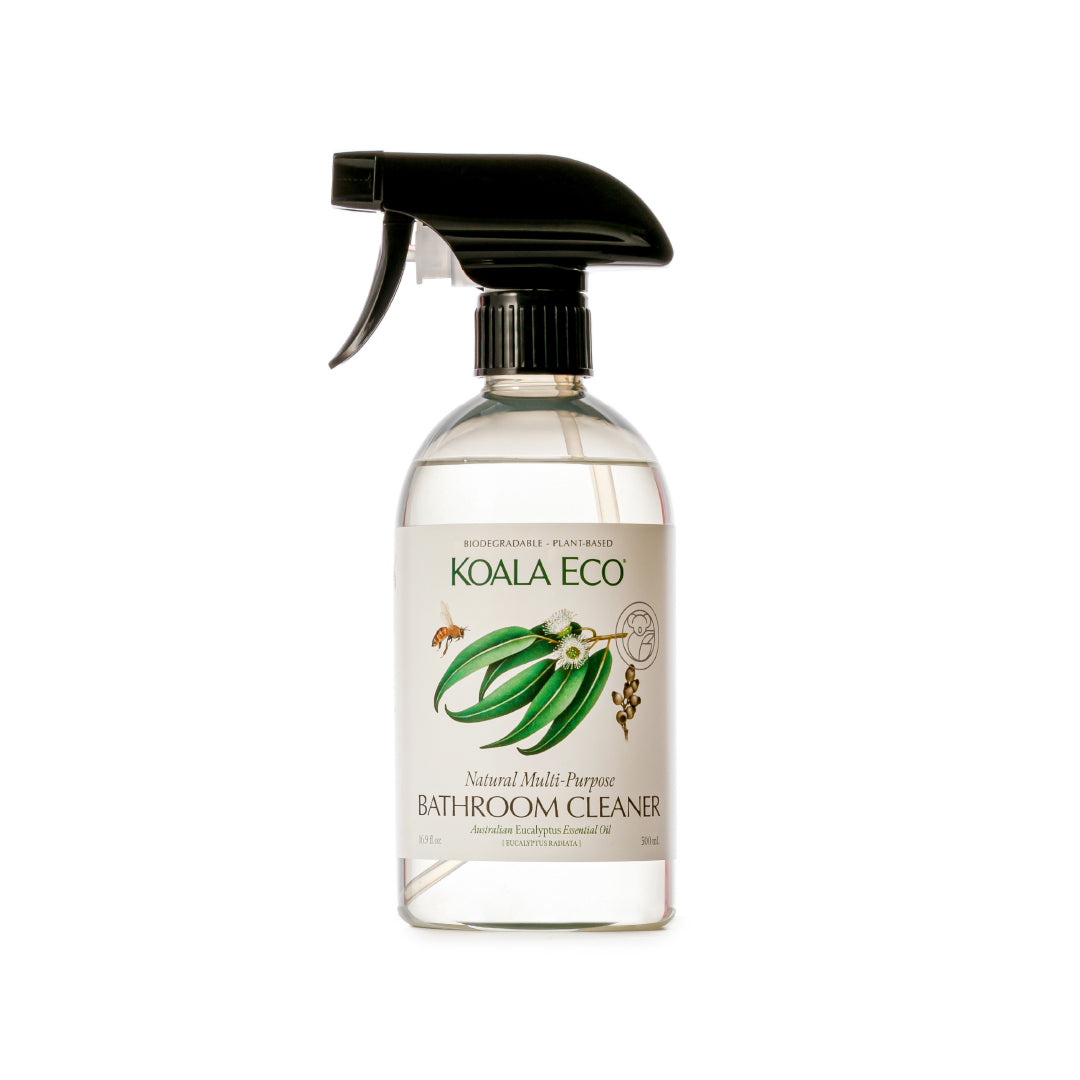
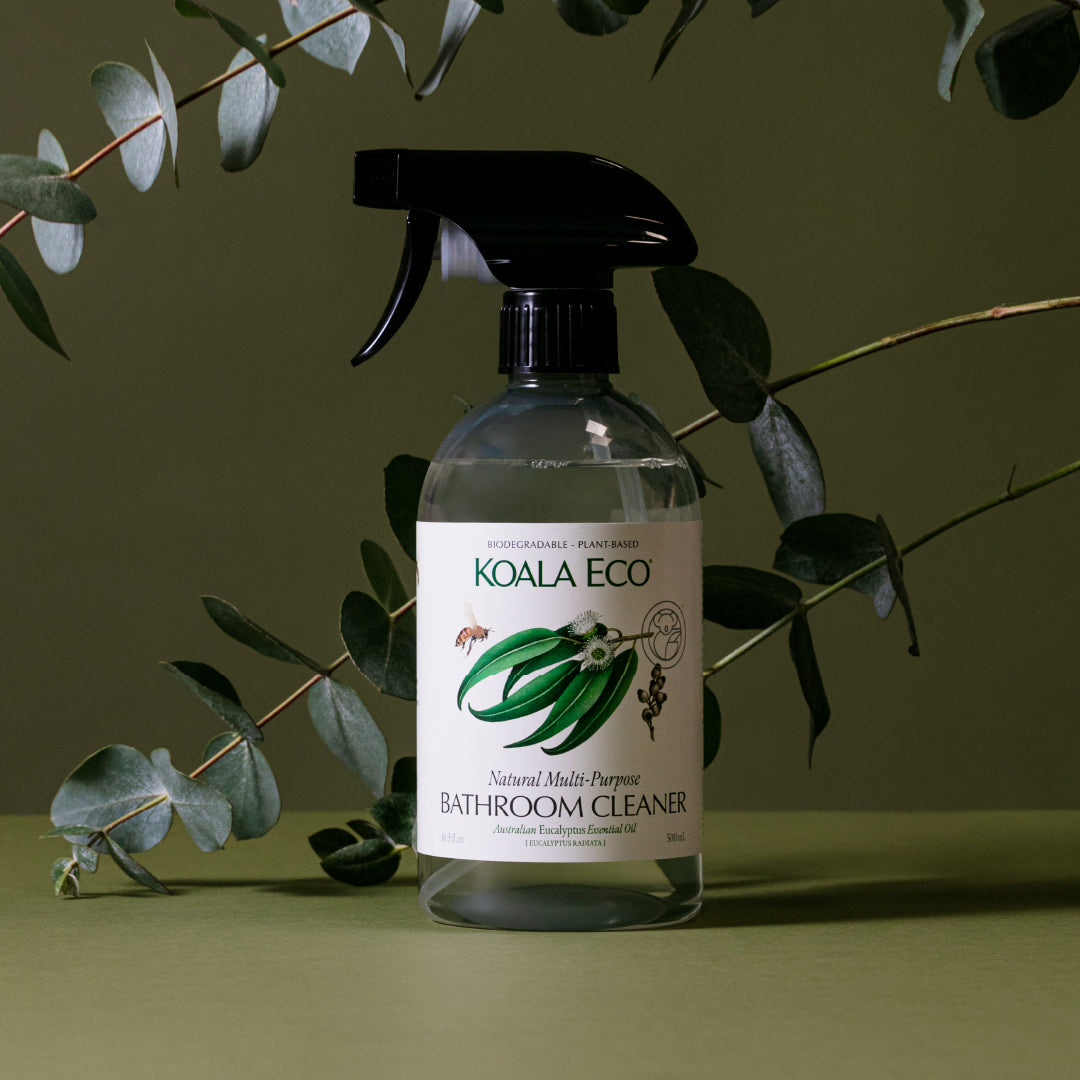
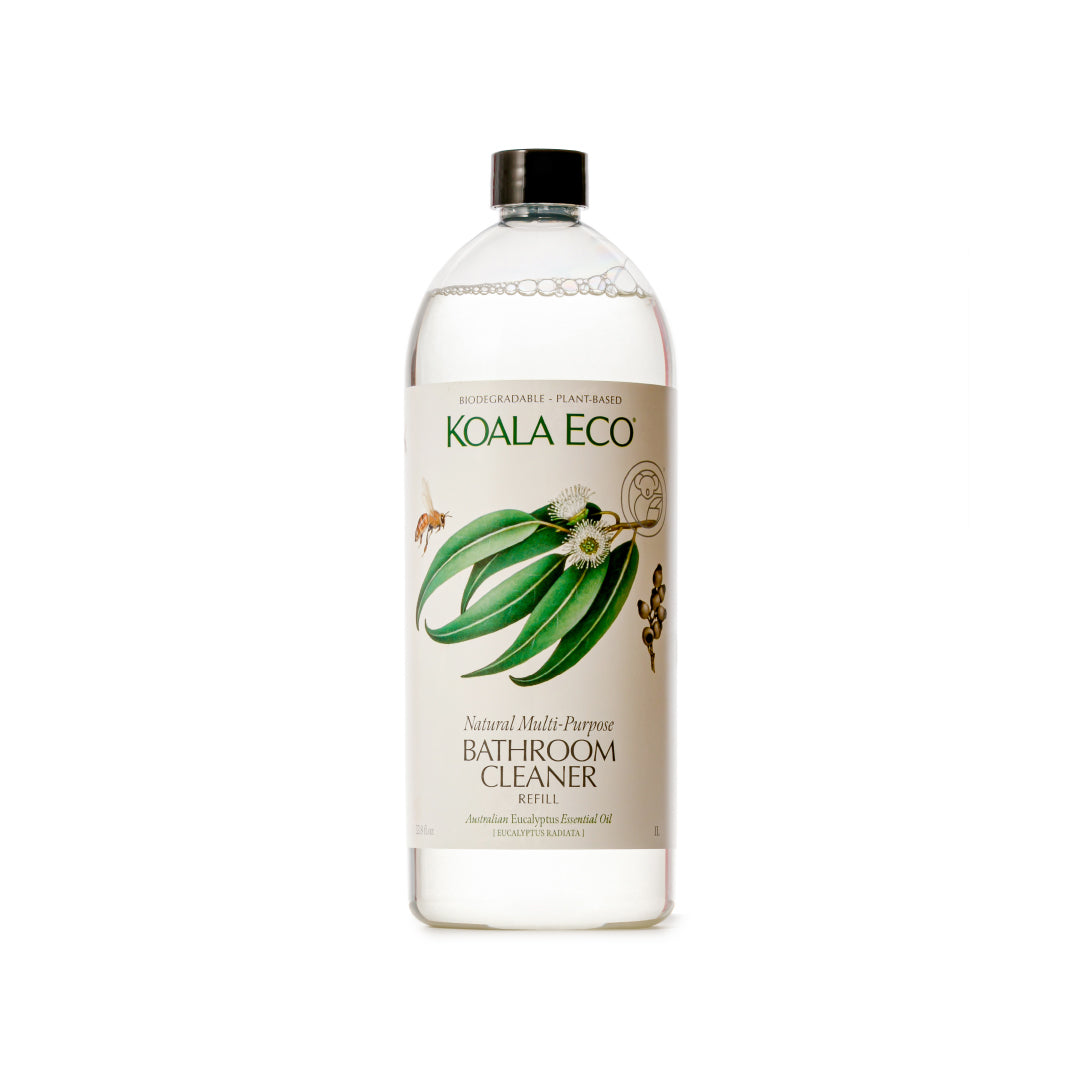
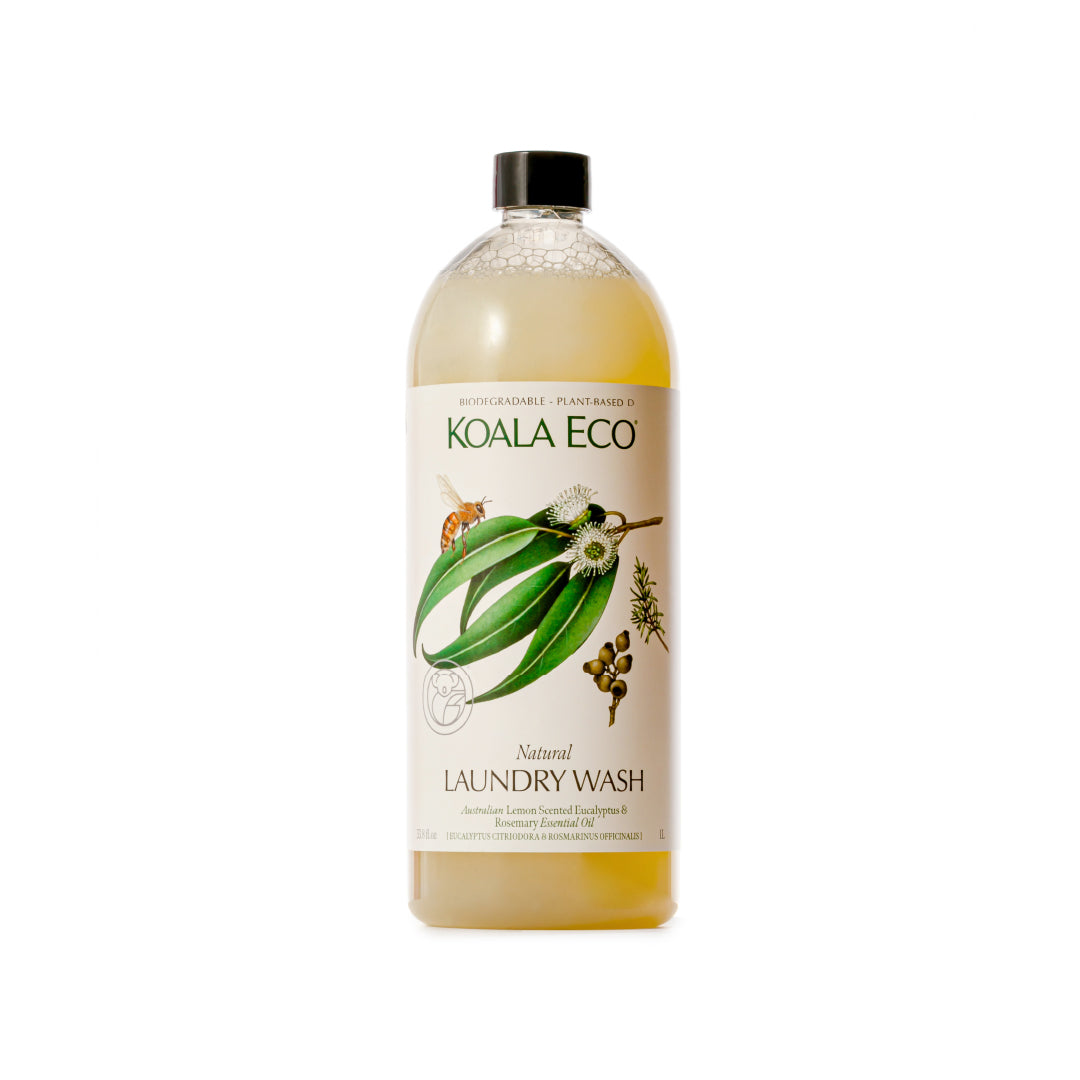
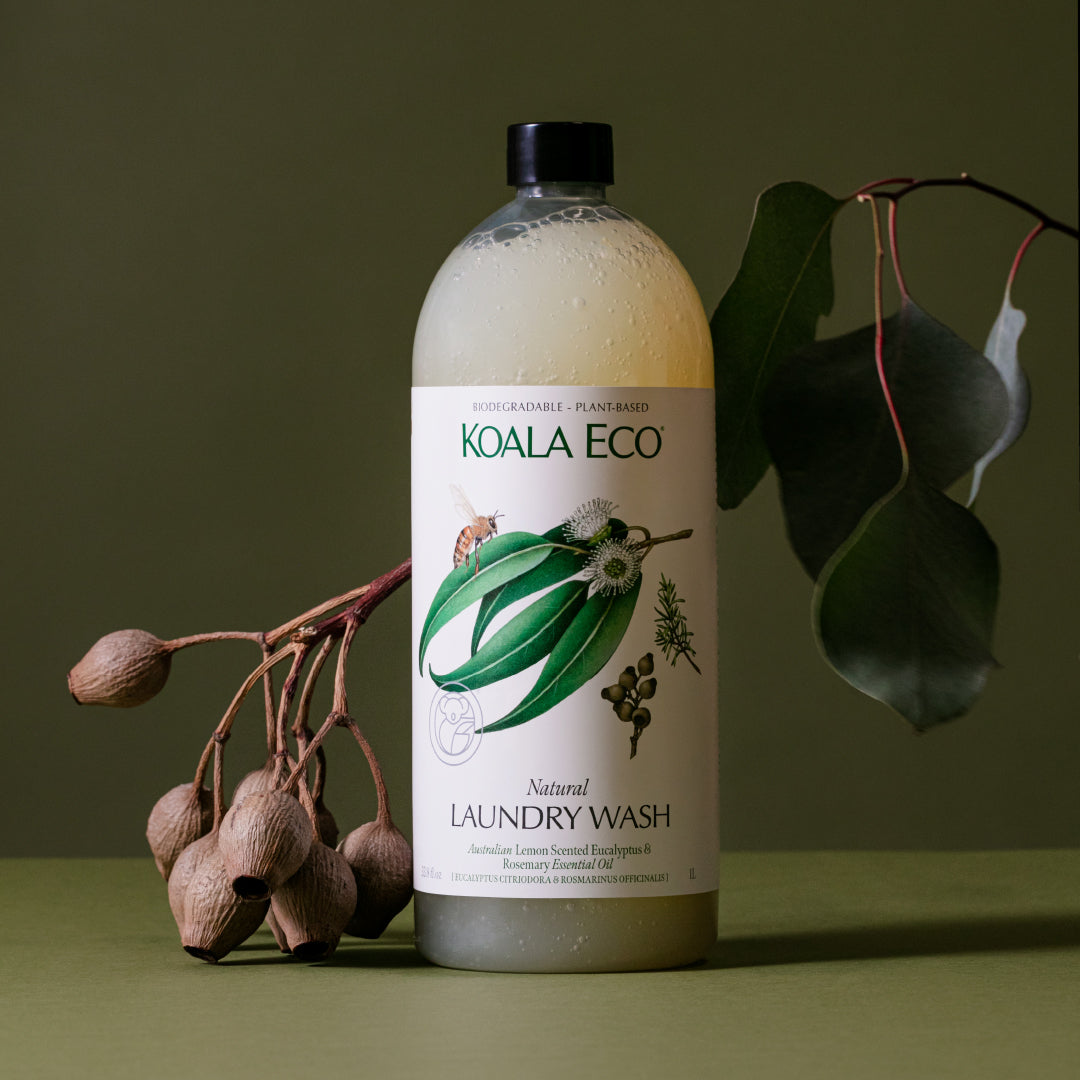
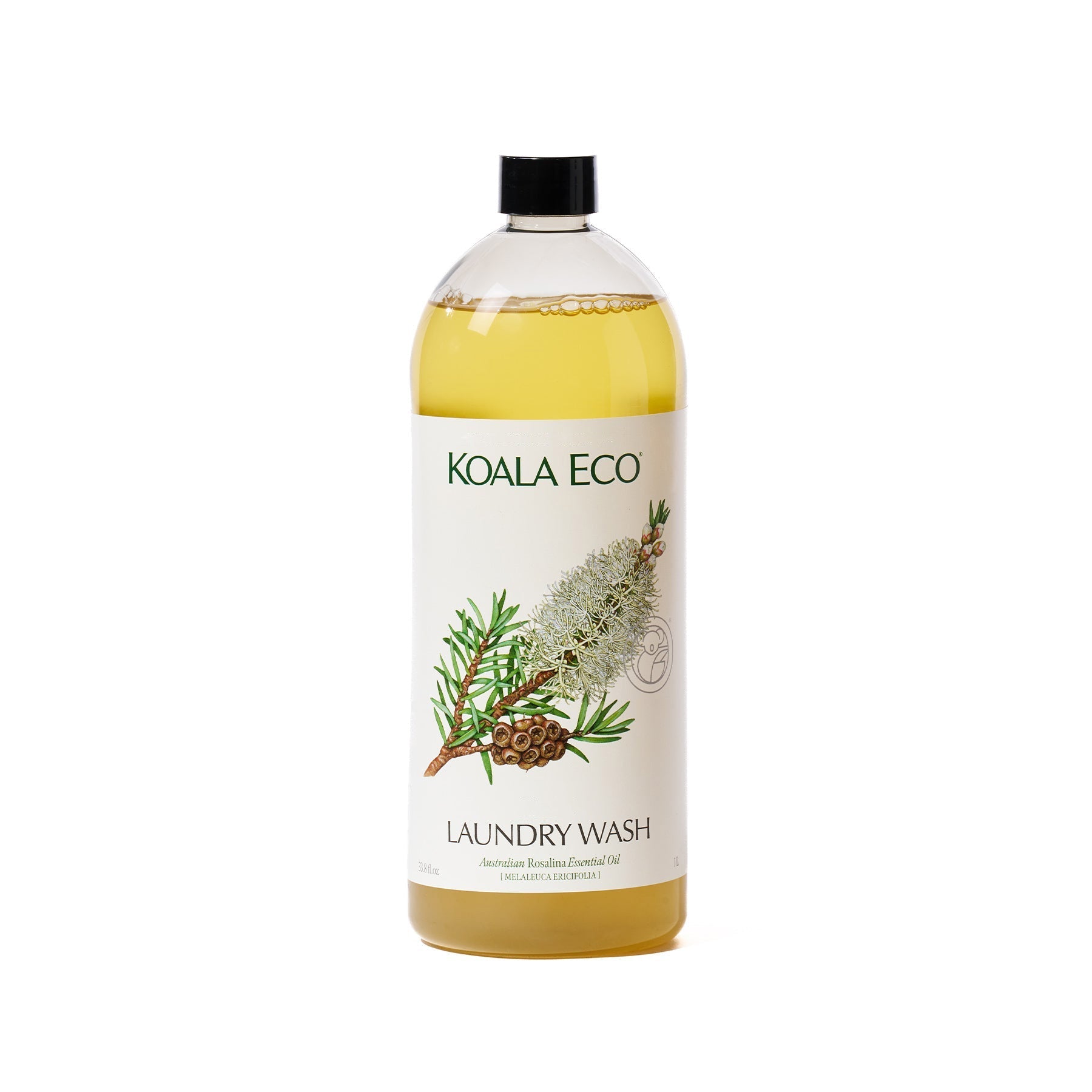
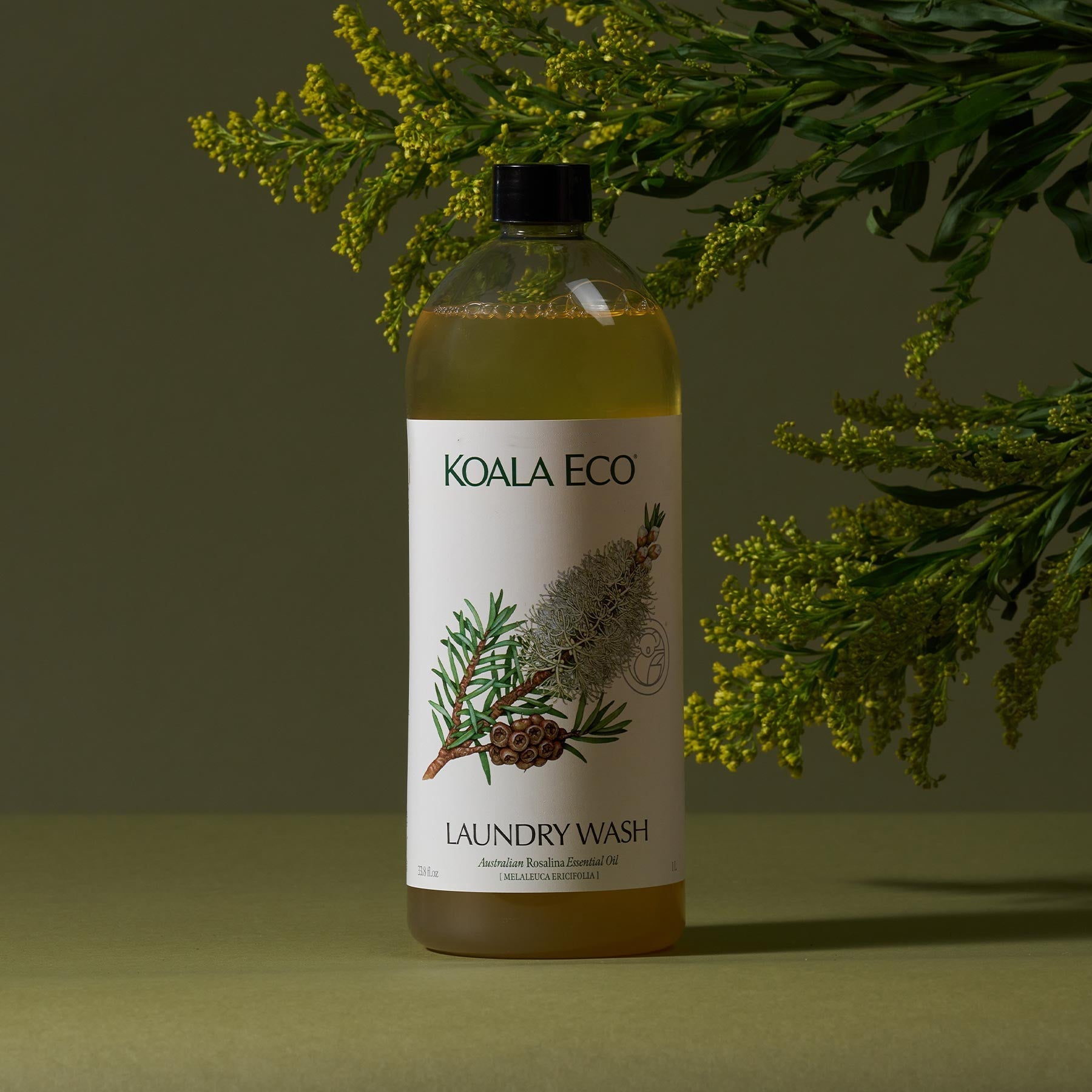
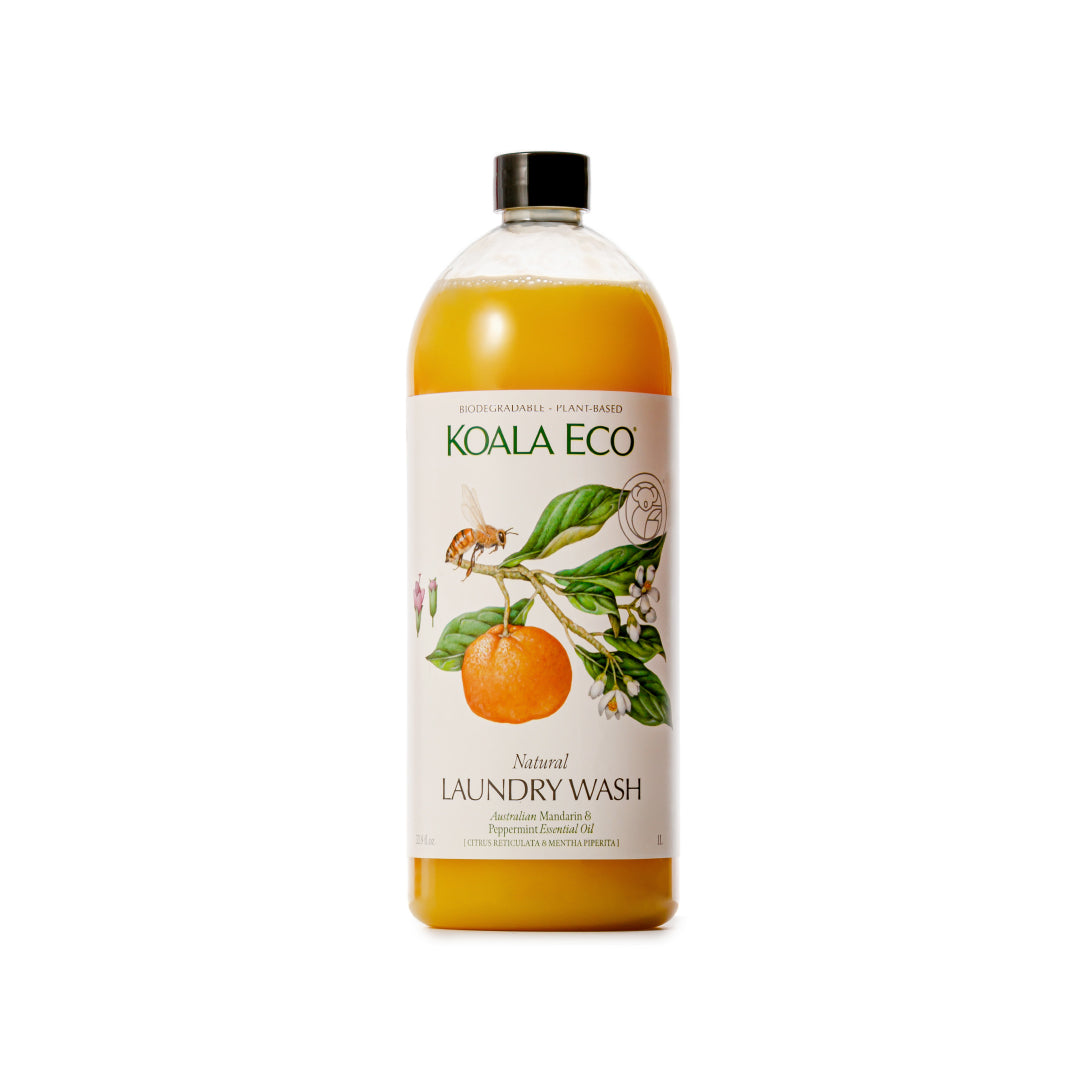
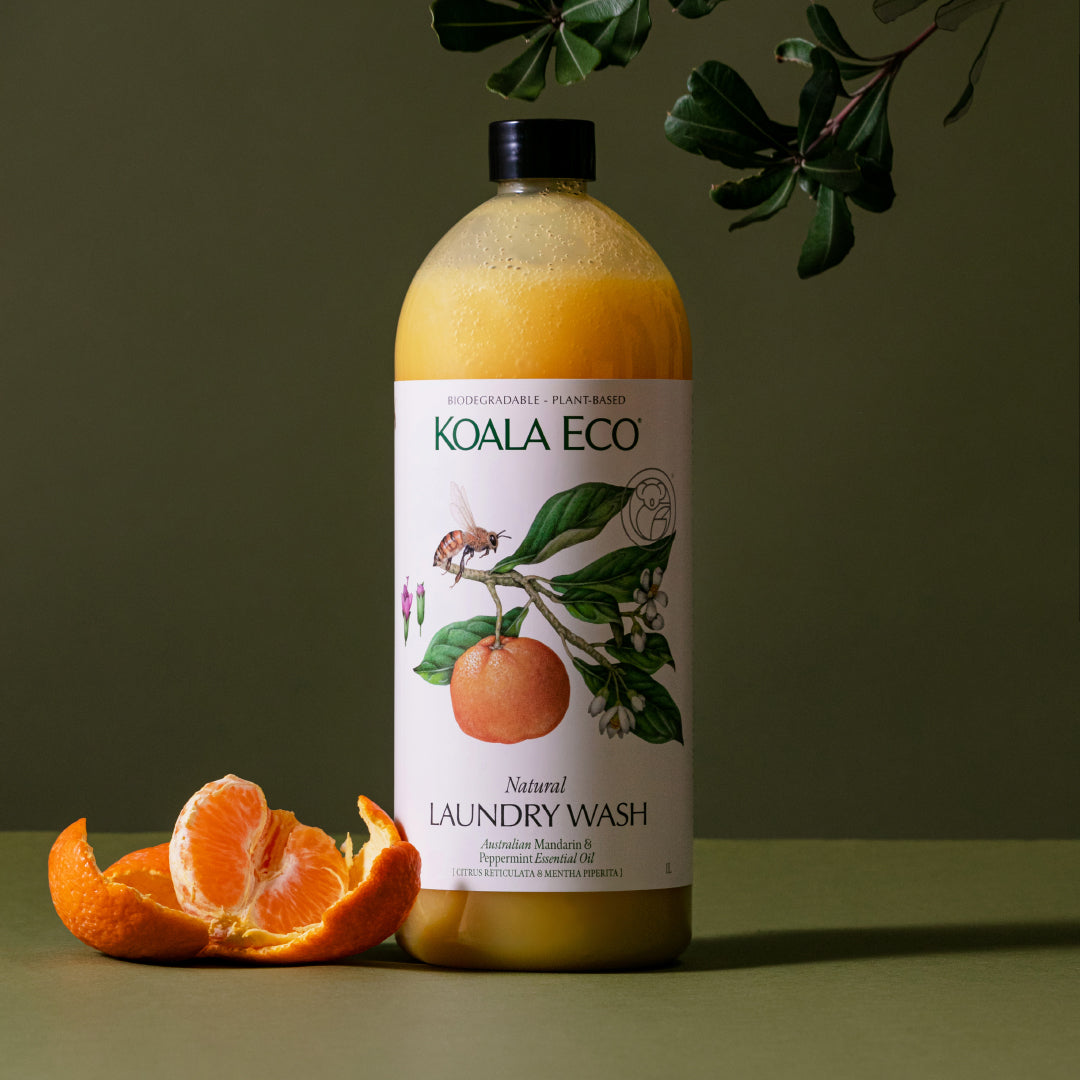
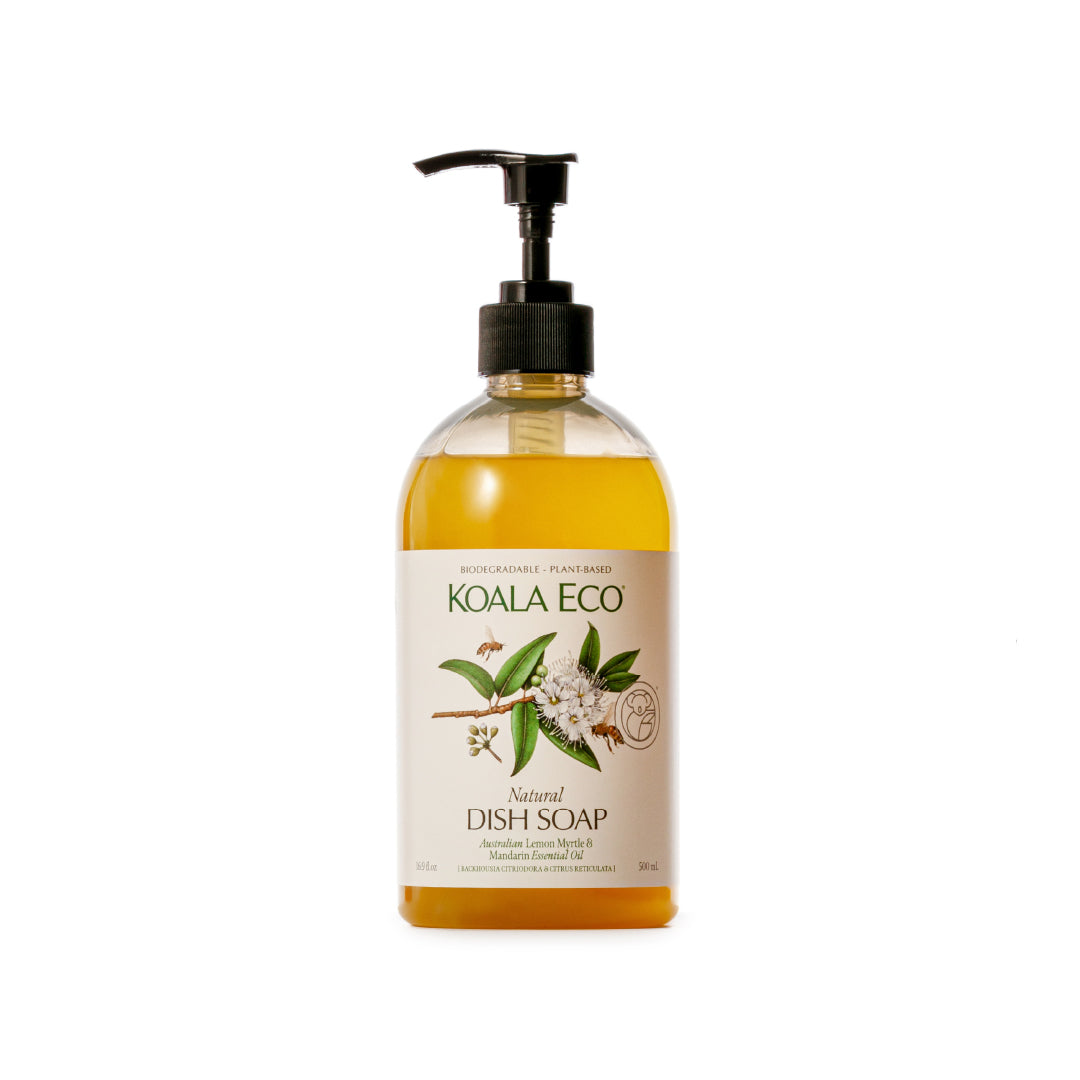
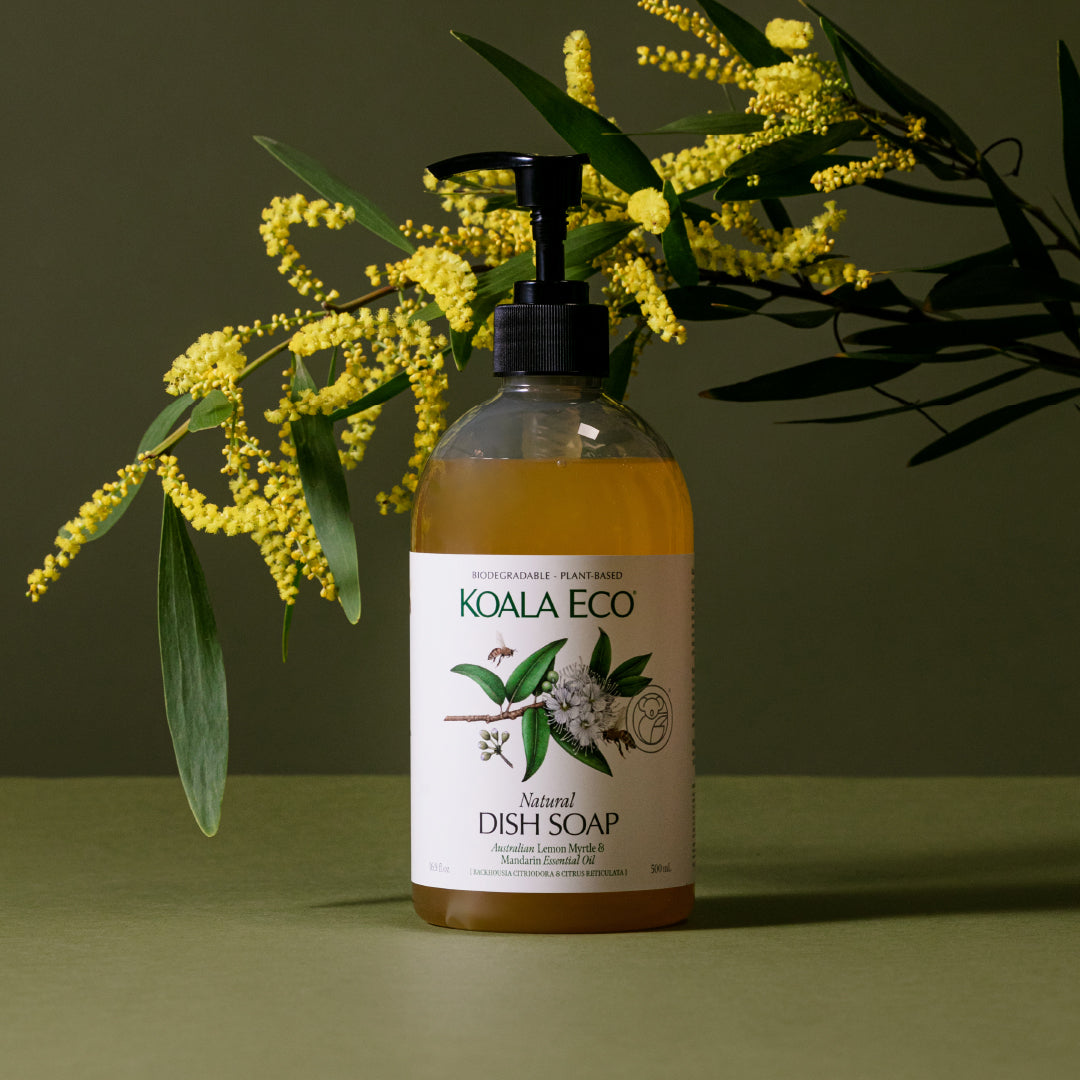
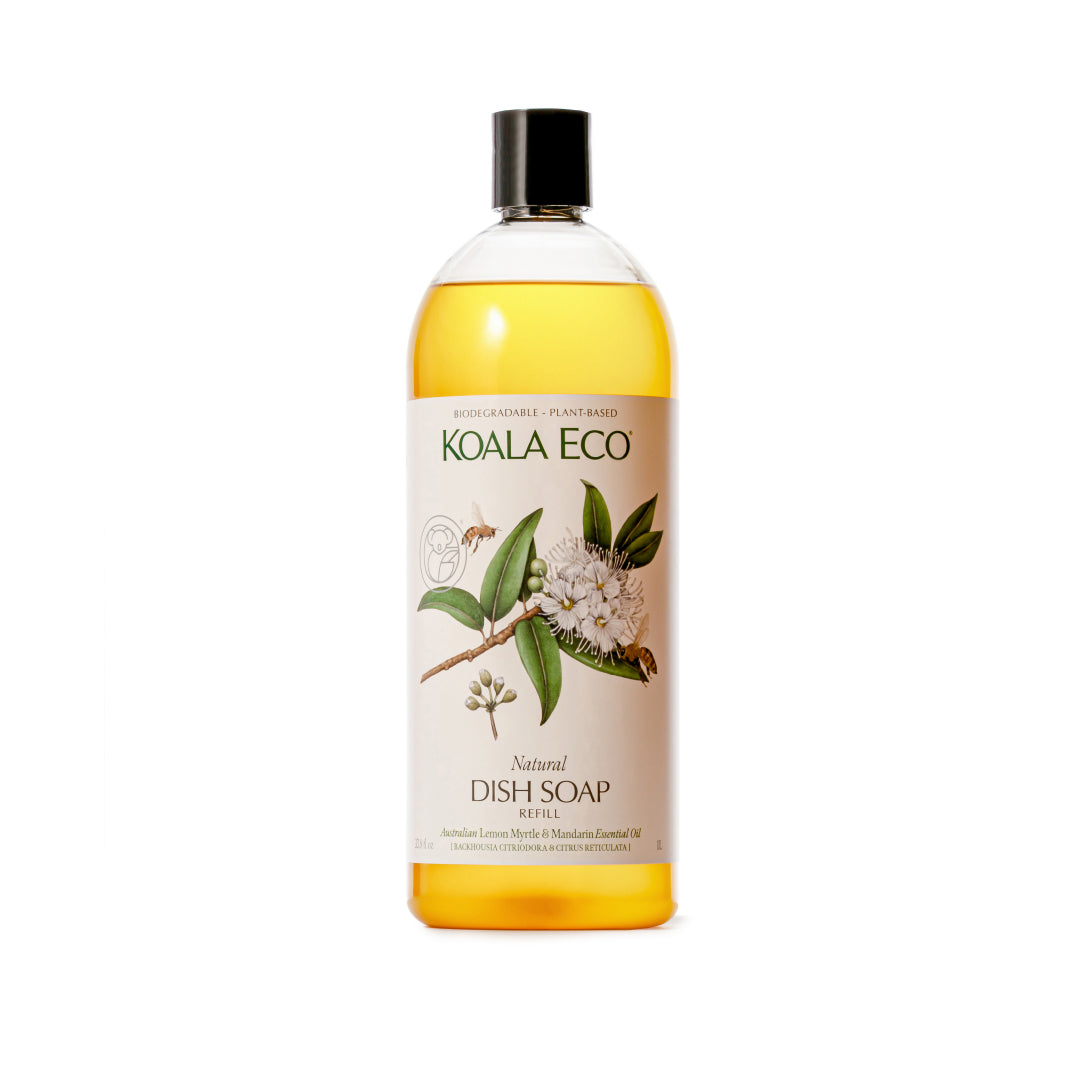
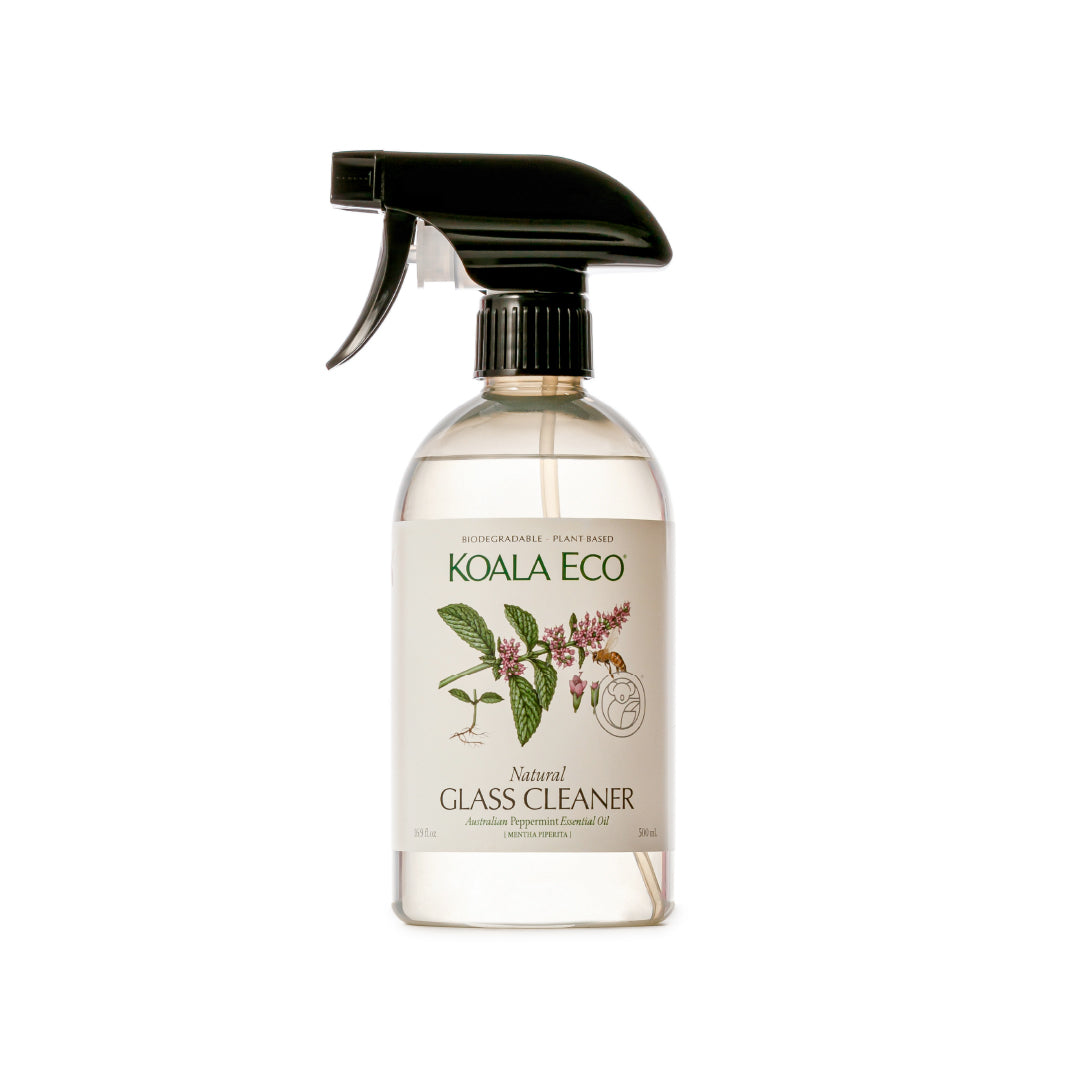
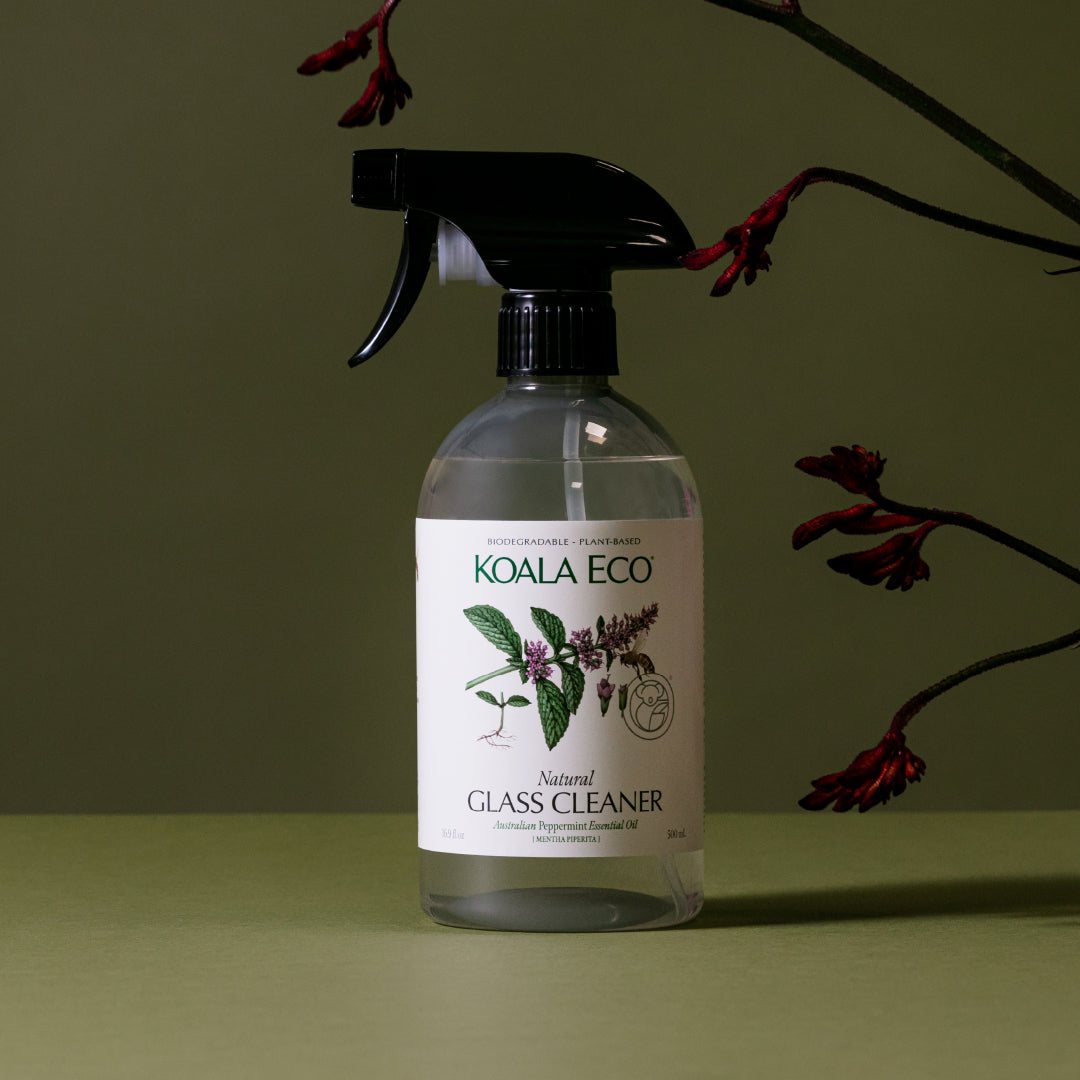
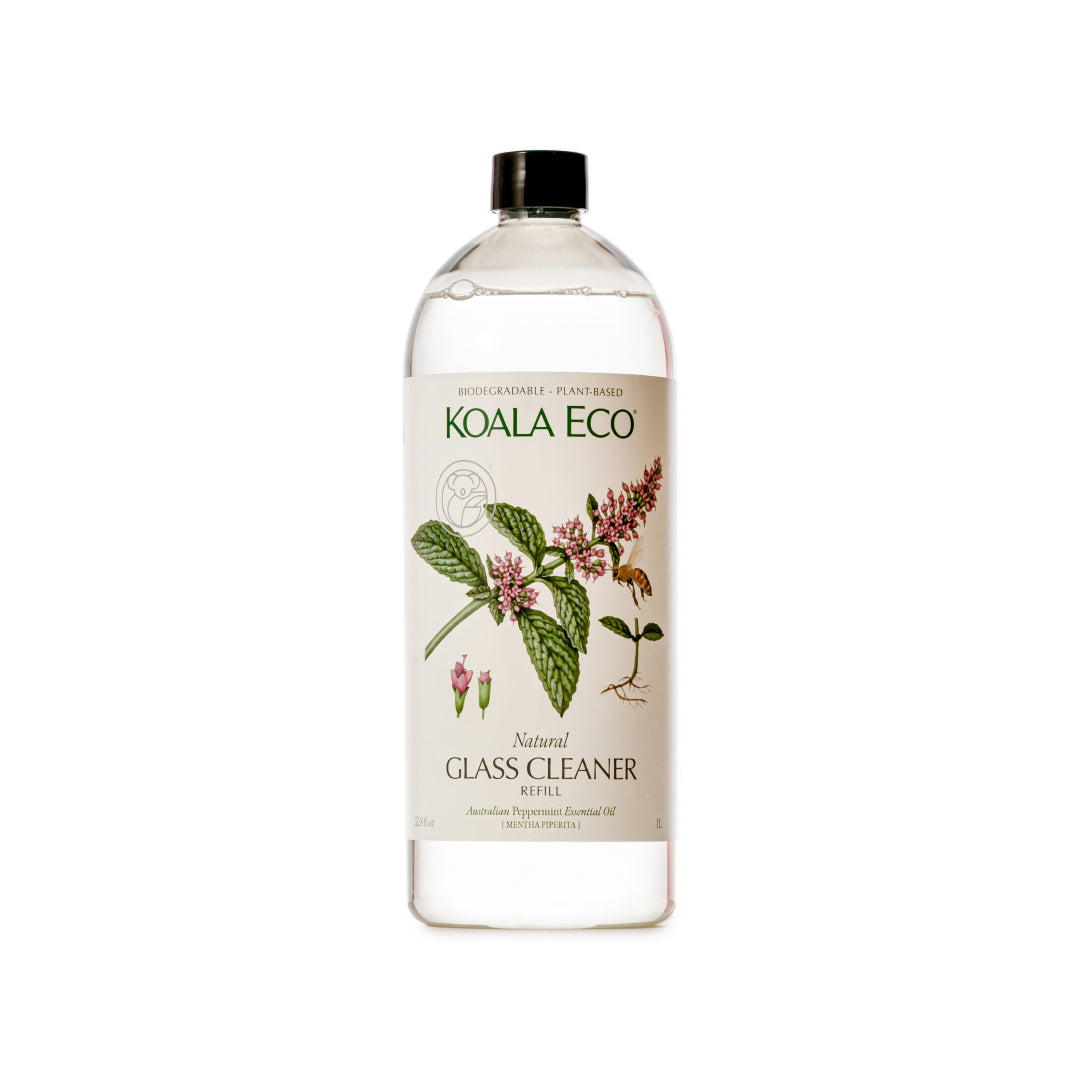
Swap these conventional cleaners for Koala Eco formulas. Ranging from surface sprays for every room of the home to dedicated laundry liquid and dish soap, our minimal ingredient lists contain nothing but the essentials — powered by pure essential oils and plant-based ingredients, our products are equal parts safe and effective, deeply cleansing your home while being safe for every member of your household.
Take your shoes off at the door
Quite possibly the easiest habit to implement, using separate indoor and outdoor shoes prevents pesticides, bacteria, and other contaminants from being tracked indoors from the bottom of your shoes. Plus, it reduces the amount of dust and dirt brought in, which reduces the frequency with which you need to clean your floors!
From a physiological perspective, removing your shoes before entering the home acts as a way to delineate public and private spaces, reinforcing the idea of the home as a sanctuary and a respite from the outside world.
Thoughtful consumption
When it comes to what we put into our bodies, it pays to be mindful. Even organically grown fruits and vegetables can be exposed to the effects of human handling, drift spray, mould spores, and (naturally) dirt, while conventionally grown produce routinely comes into contact with pesticides, oils, waxes, and agricultural chemicals.
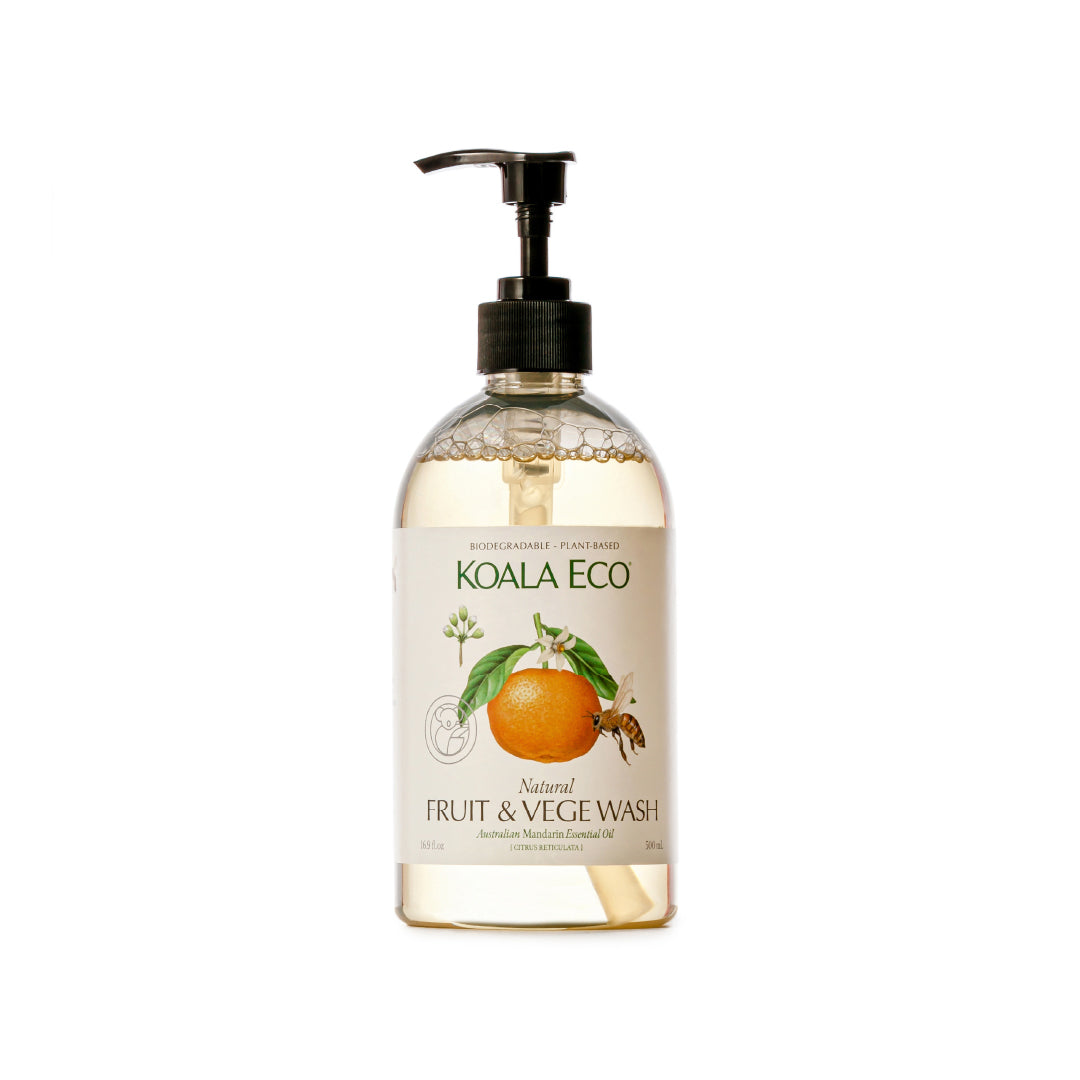
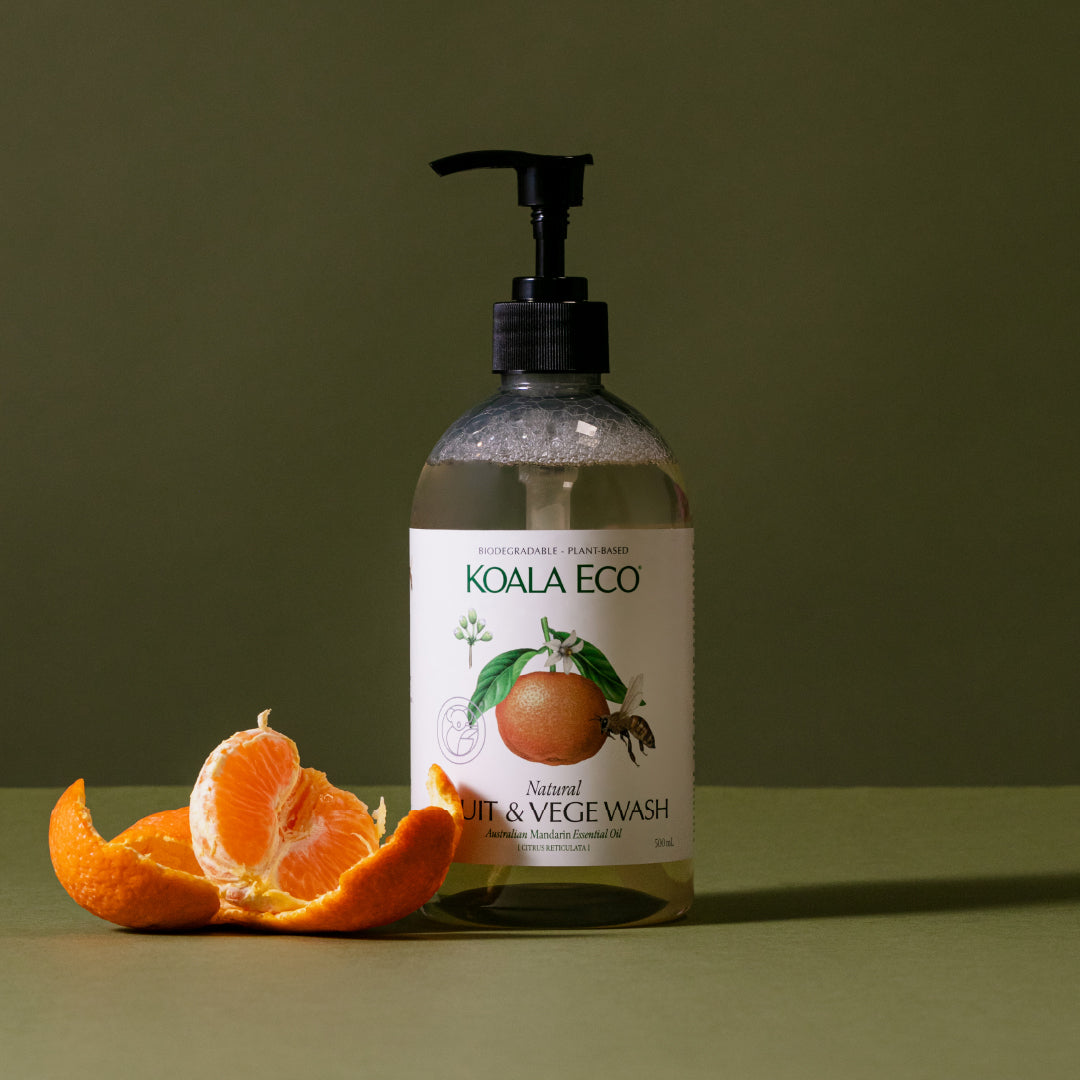
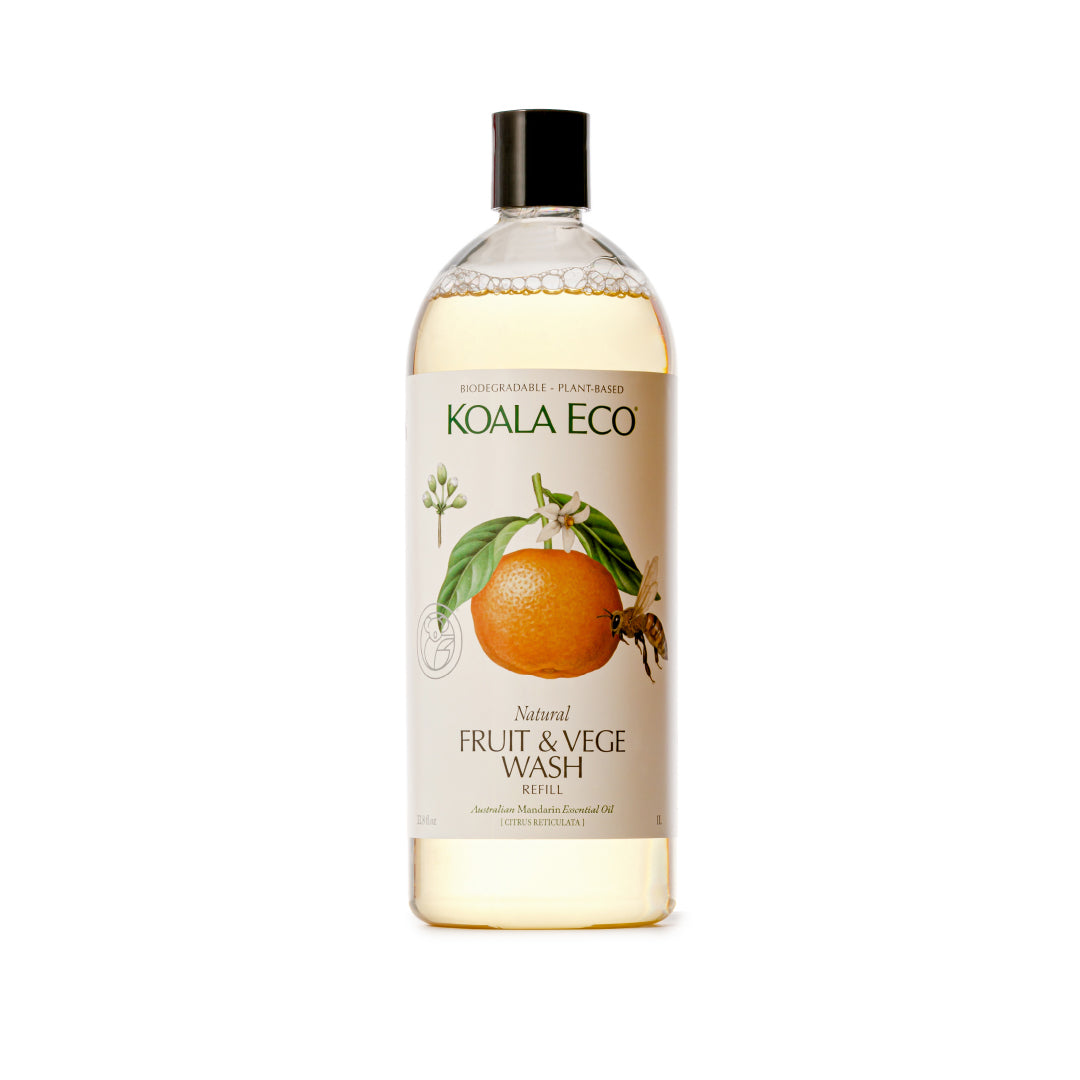
Our Natural Fruit & Vege Wash uses mandarin essential oil and mild plant-based surfactants to eliminate agricultural pesticides, oils, waxes, and chemicals from your produce, returning your fruits and vegetables to their natural state without leaving any aftertaste behind. Produce washed with our Natural Fruit & Vege Wash is not only safer and healthier to consume, but actually tastes purer and fresher.