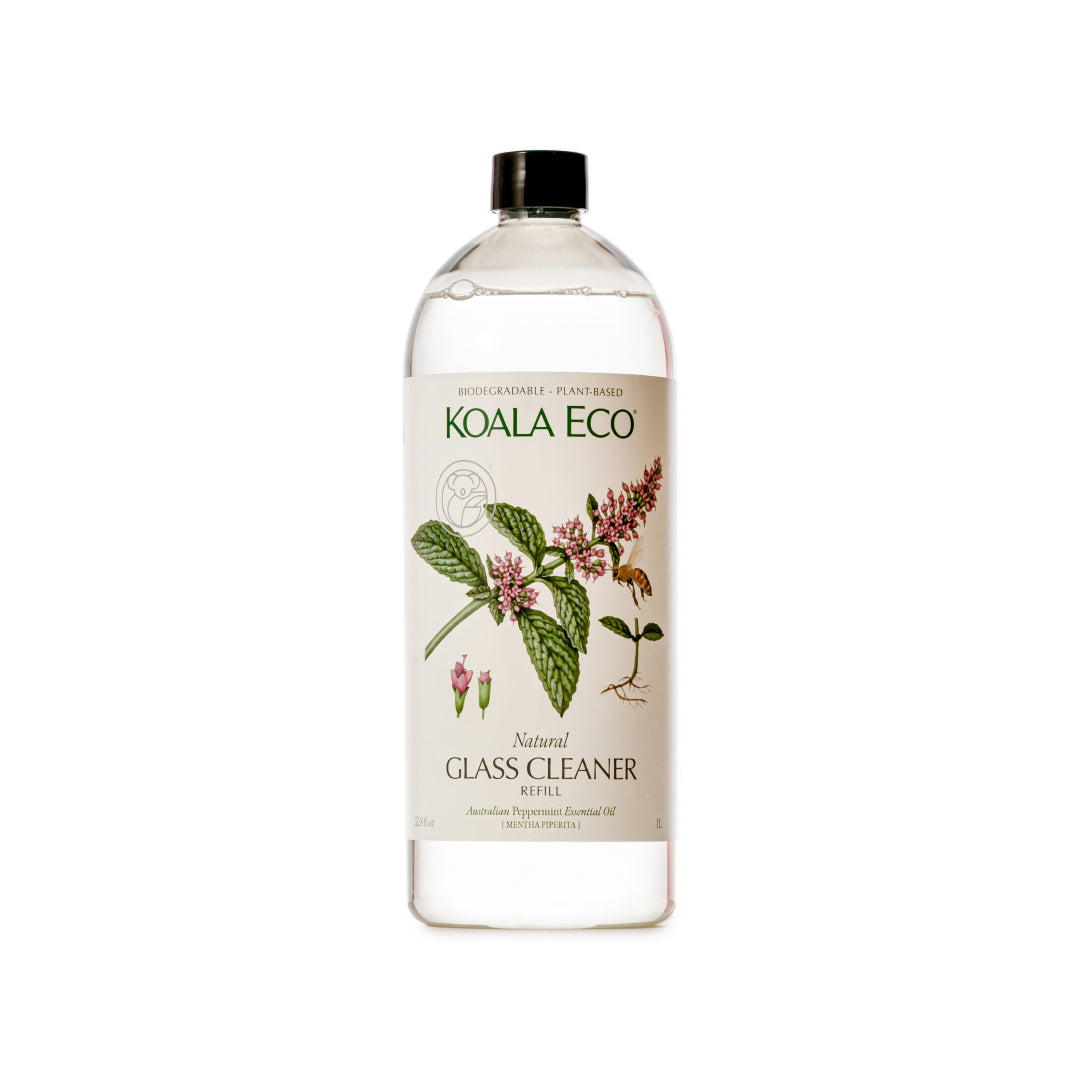
Here are our environmentally conscious washing machine tips that will help keep your clothes in great condition while reducing your environmental impact:
- Wash Full Loads (But Don’t Overload)
Full Loads: Running your machine with full loads maximises water and energy efficiency. However, avoid overloading to ensure proper cleaning and reduce wear on fabrics.
- Use Cold Water
Cold Water Wash: Most clothes, including delicates, can be washed in cold water. This significantly reduces energy consumption and is gentler on fabrics, preventing shrinkage and fading.
- Choose Eco-Friendly Detergents
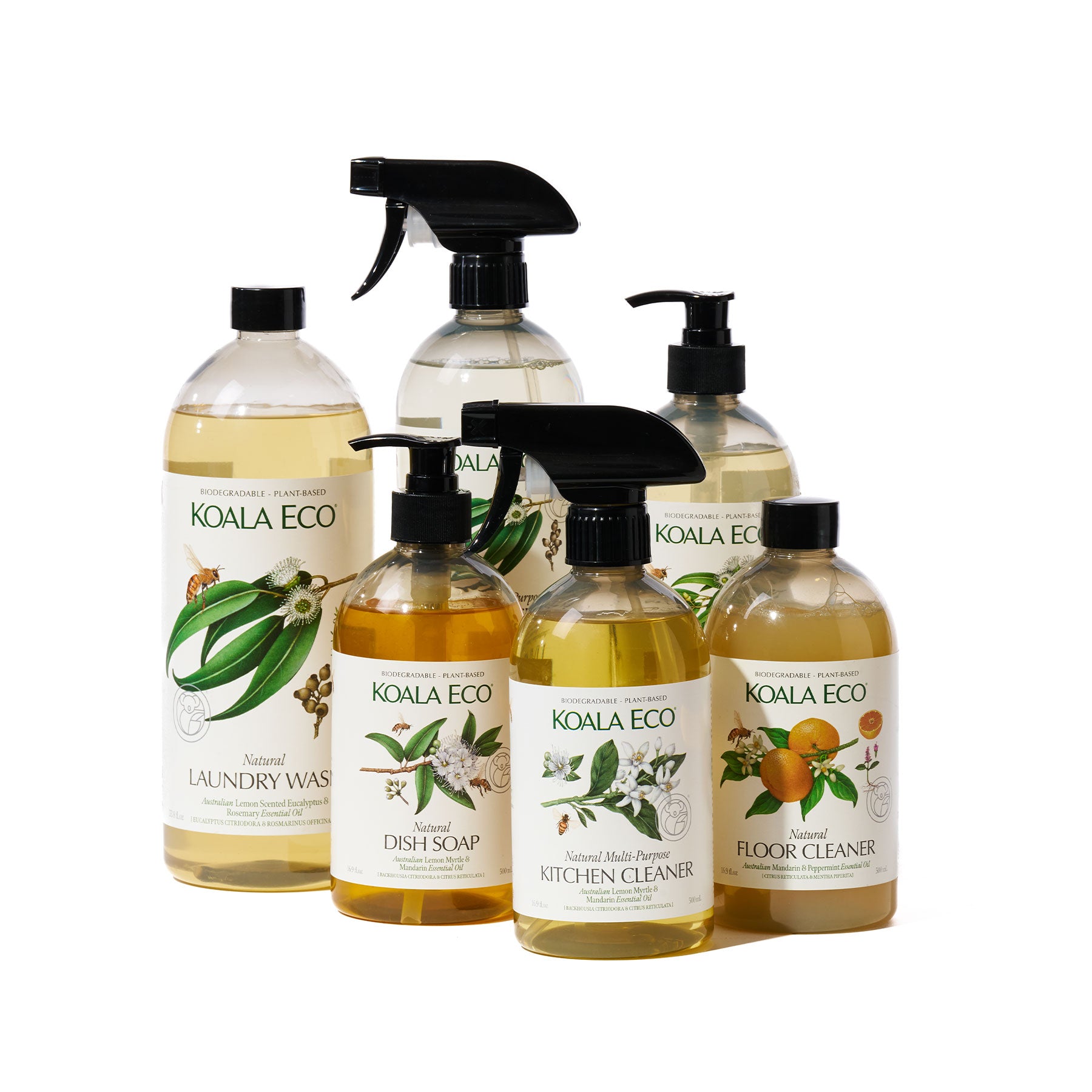
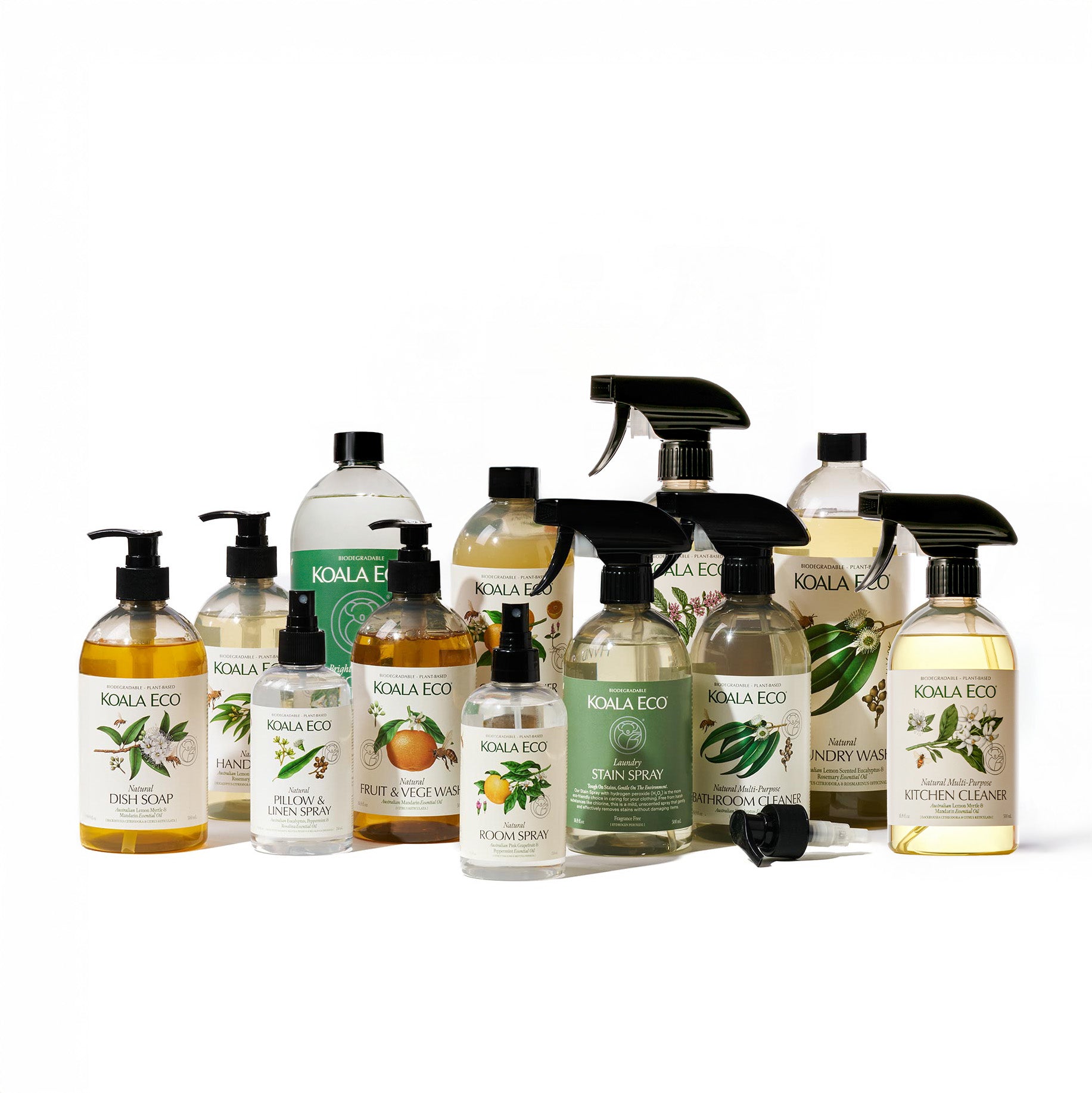
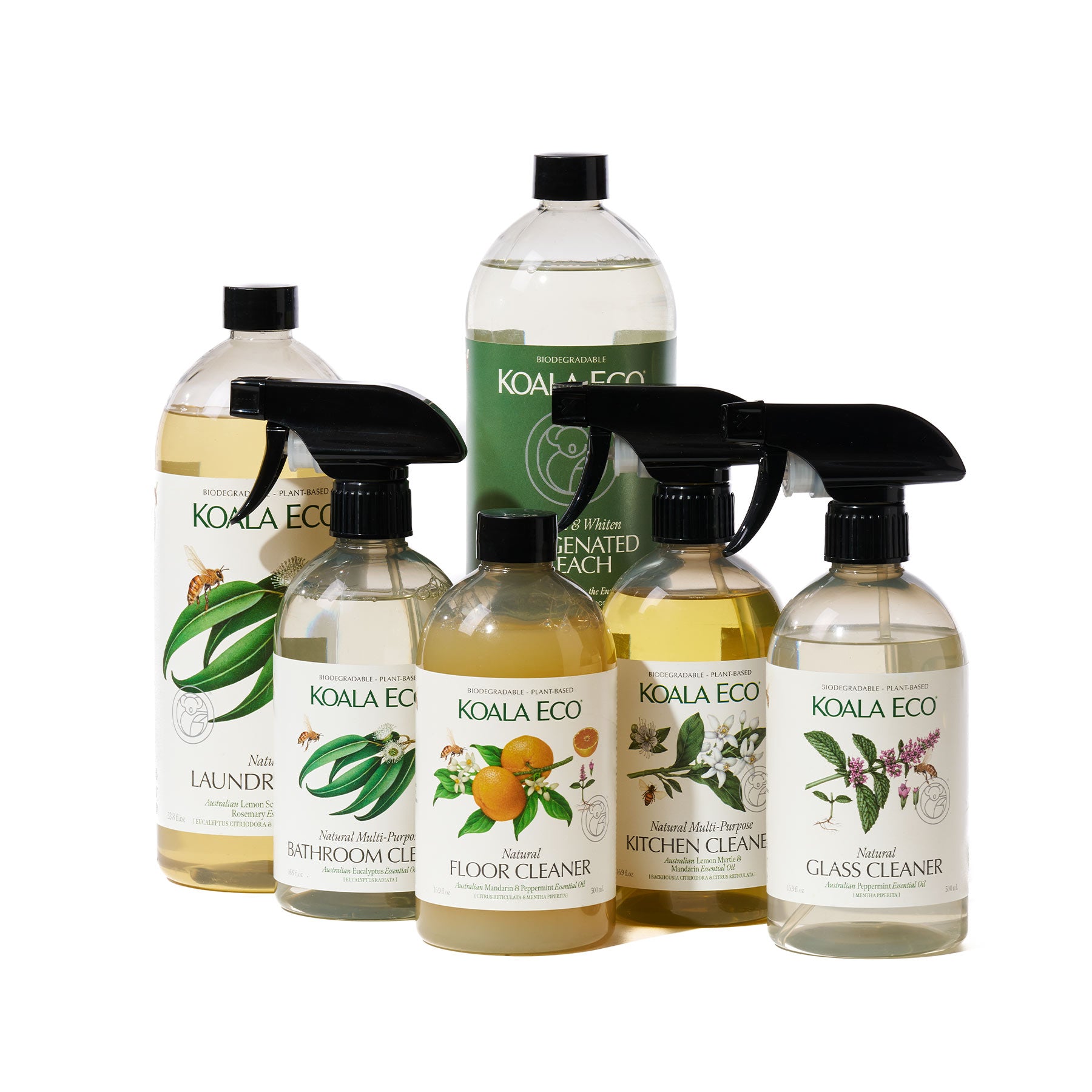
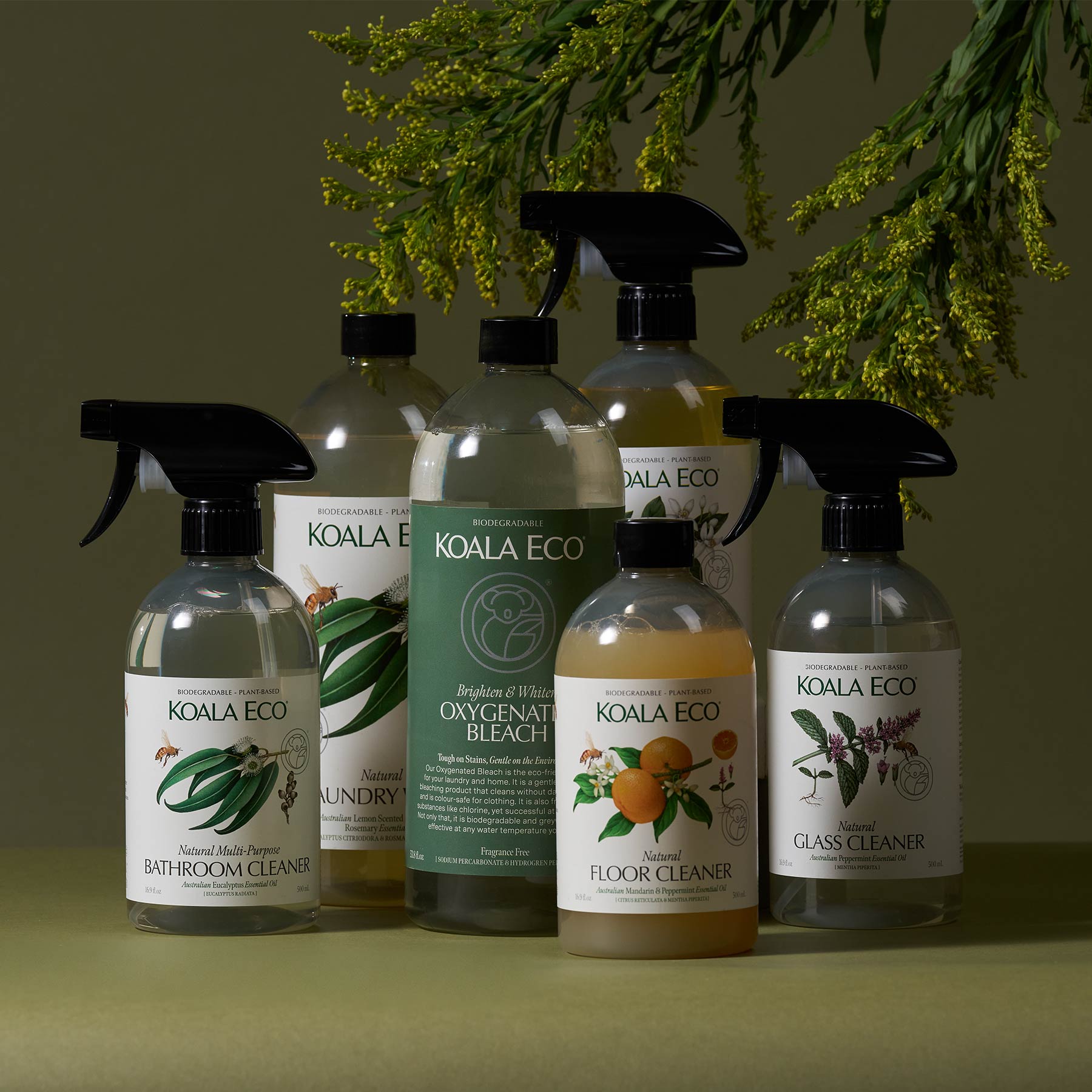
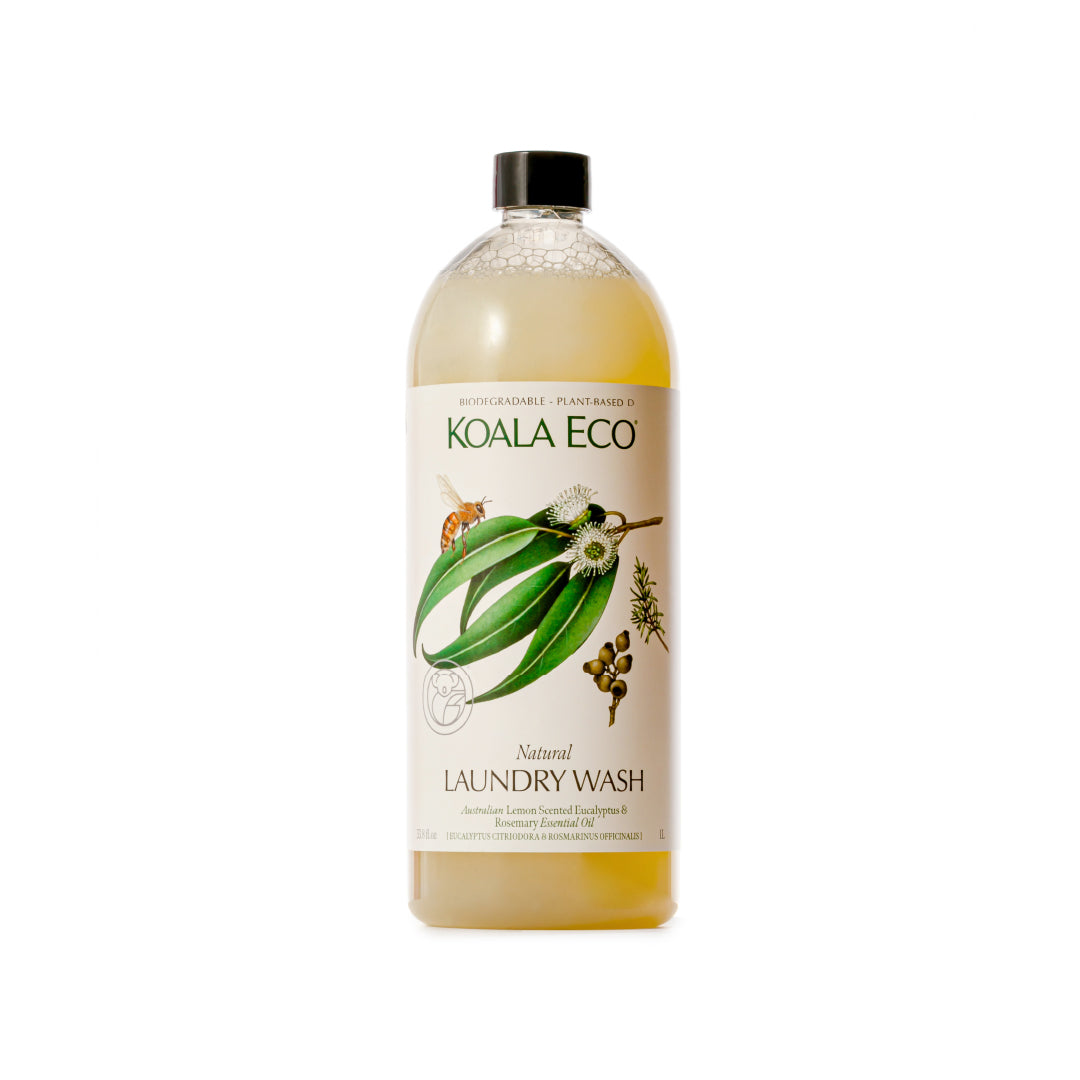
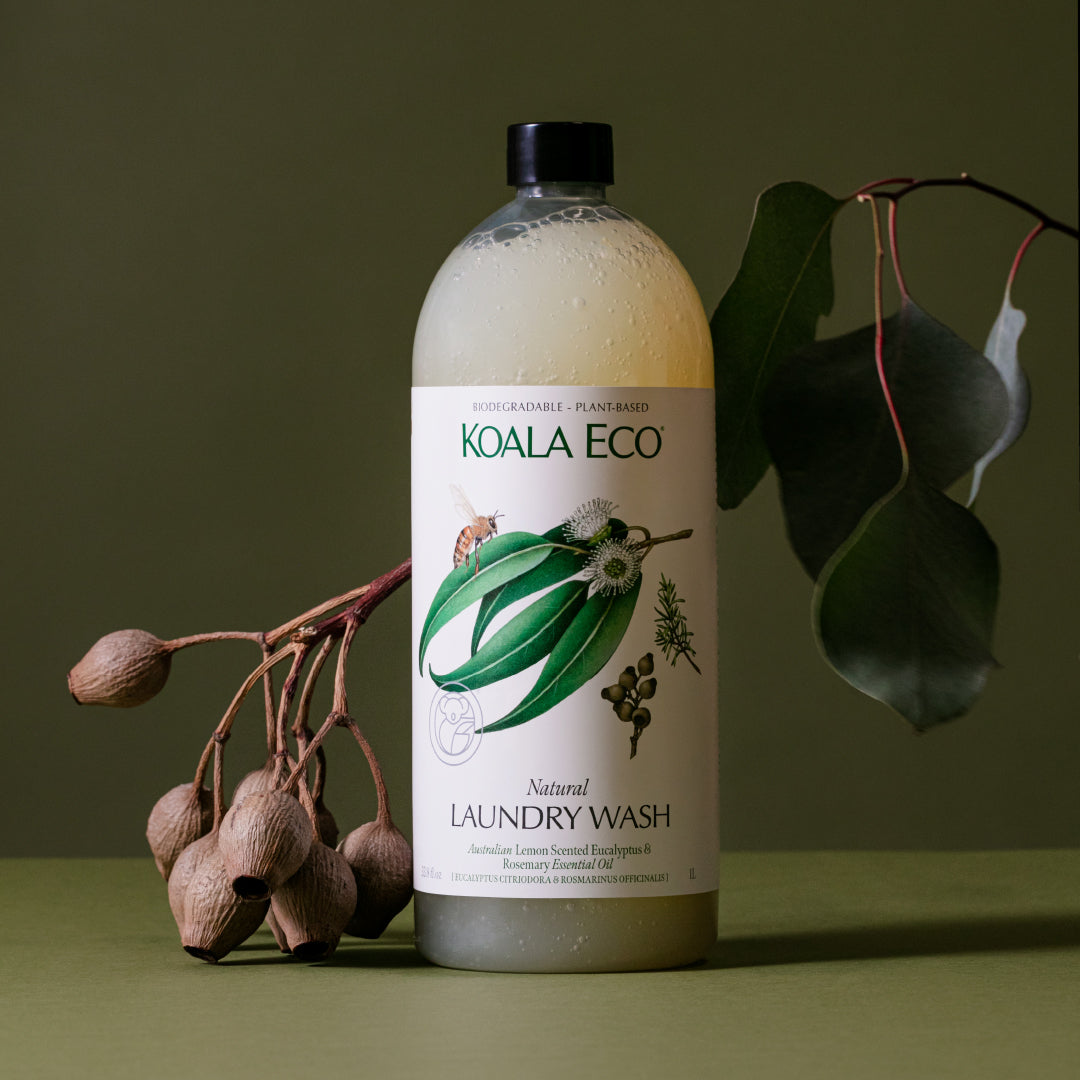
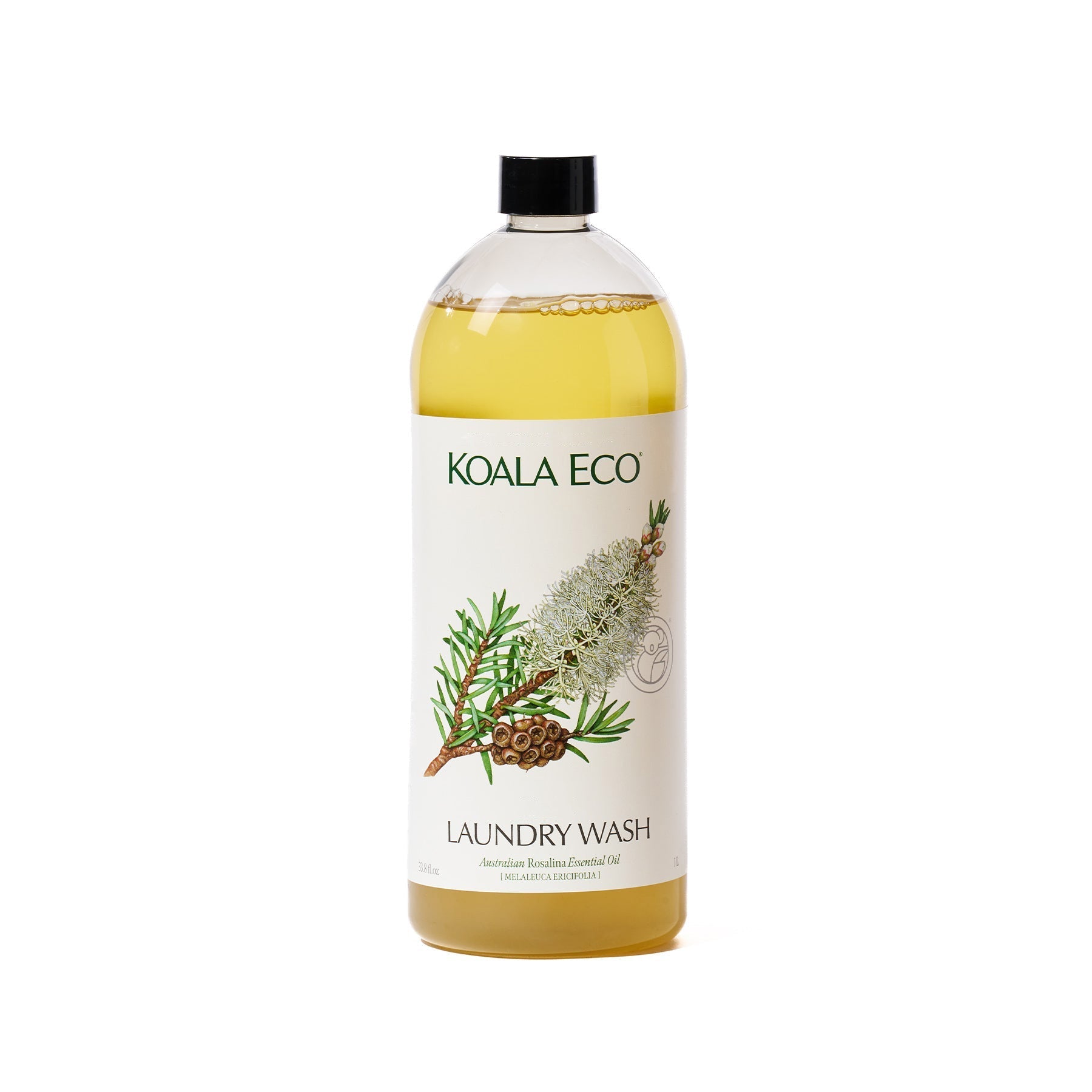
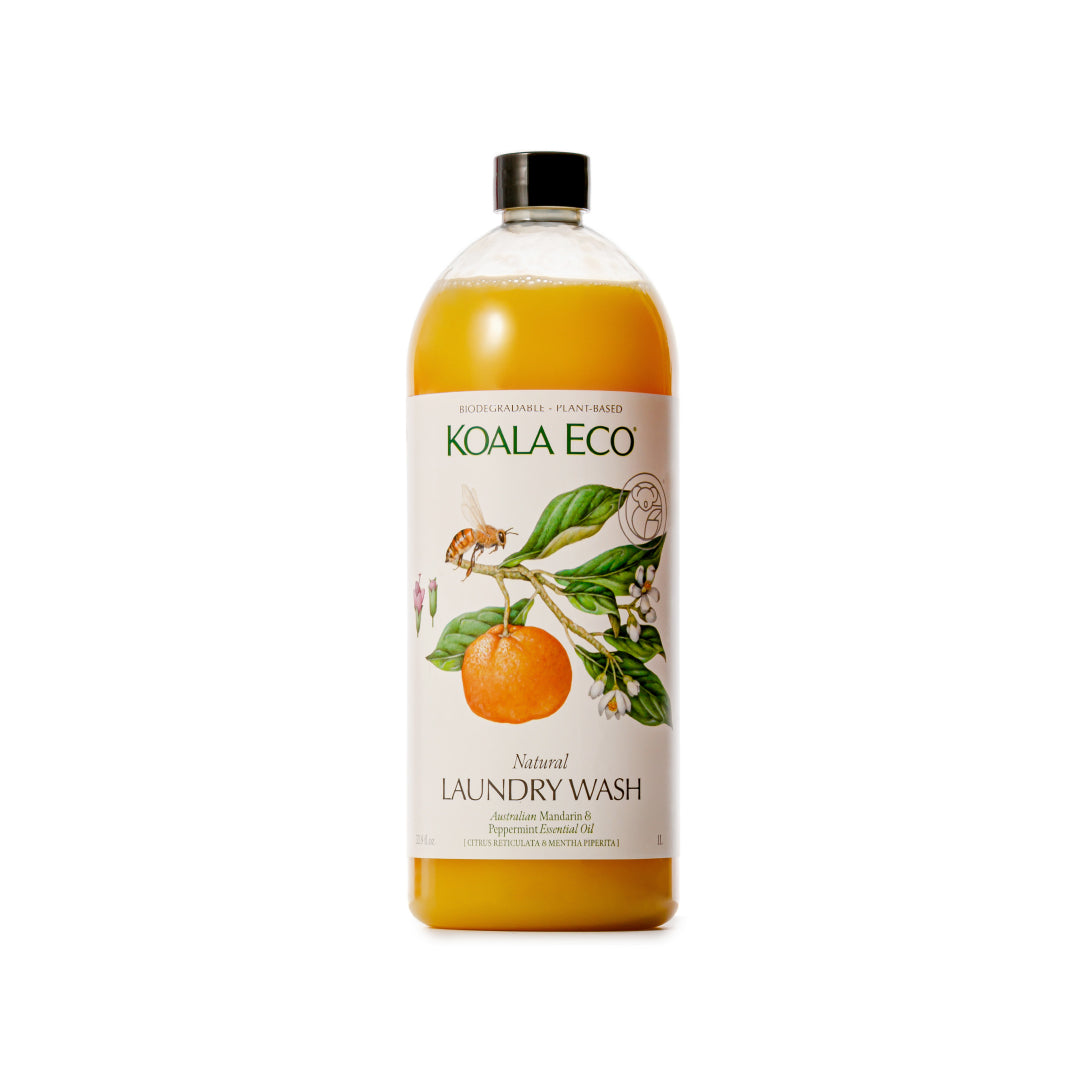
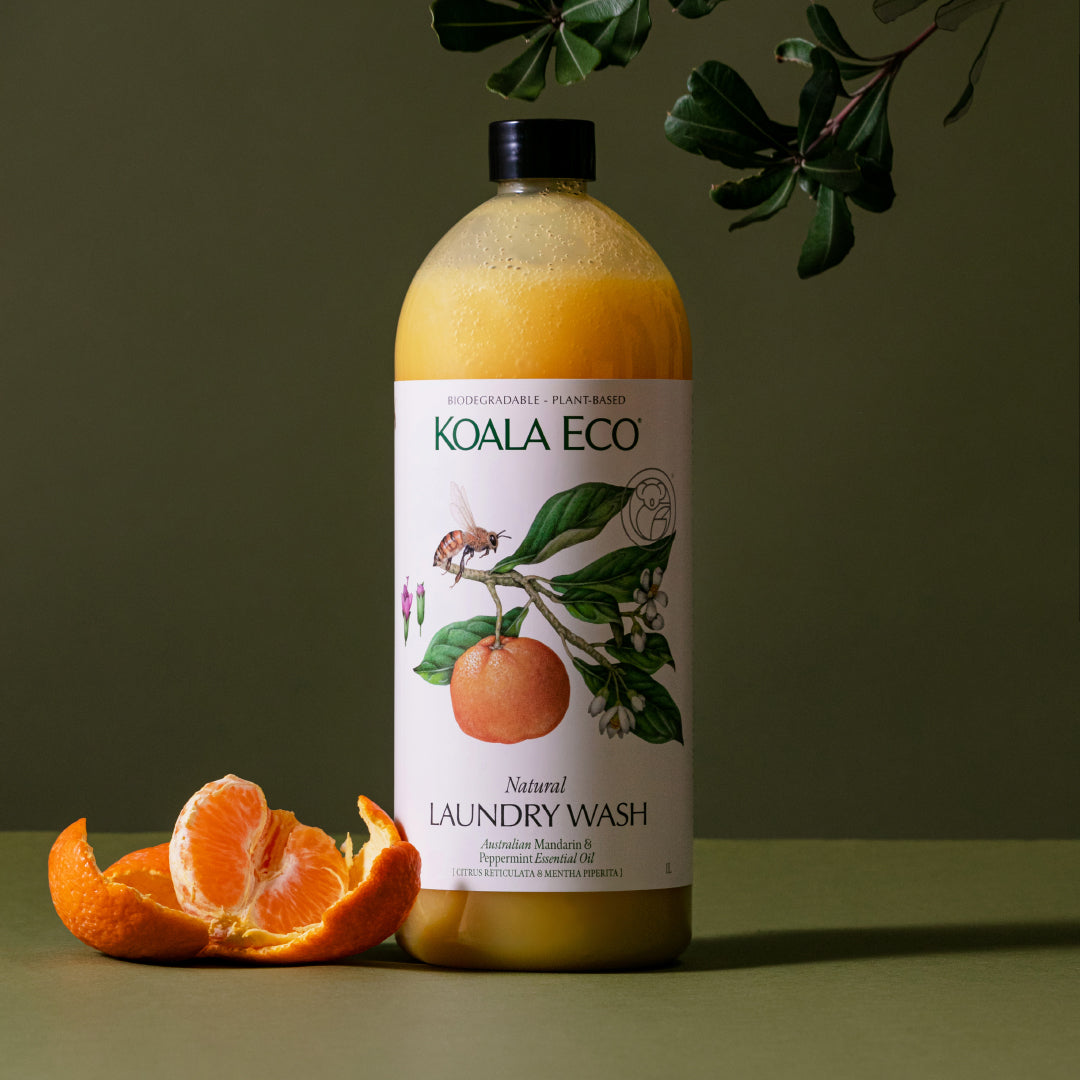
Plant-Based or Biodegradable Detergent: Opt for eco-friendly detergents free of harsh chemicals and phosphates. These are safer for both your clothes and the environment. Try our Natural Laundry Wash here.
- Reduce Detergent Usage
Use Less Detergent: Measure your detergent carefully and use the minimum amount required. Overuse can lead to detergent buildup on clothes and in waterways, harming ecosystems. You only need 2 capfuls of Natural Laundry Wash from Koala Eco for best results, which means the bottle will last for 100 washes.
- Avoid Fabric Softeners
Natural Alternatives: Fabric softeners can contain chemicals that harm the environment. Instead, try natural alternatives like white vinegar or wool dryer balls to soften clothes and reduce static without leaving residue.
- Air-Dry Clothes When Possible
Line Drying: Skip the dryer and air-dry your clothes. This saves energy, reduces wear on fabrics, and helps clothes last longer. If drying outdoors, it also naturally sanitises your clothes through sunlight.
- Use Shorter Washing Cycles
Quick Wash Cycles: Use shorter wash cycles for lightly soiled clothes. This reduces water and energy usage while still getting clothes clean, and it decreases fabric wear.
- Turn Clothes Inside Out
Preserve Color and Fabric: Turning clothes inside out protects them from friction, preventing pilling and fading. This reduces the need to replace worn-out clothes, which is better for the environment.
- Spot Clean When Possible
Minimize Full Washes: Treat small stains or spots with a damp cloth and eco-friendly stain remover instead of washing the entire garment. This saves water and reduces the wear and tear on clothes.
- Skip the Pre-Wash
Skip Extra Rinses: Unless clothes are heavily soiled, skip the pre-wash cycle to save water and energy. Modern detergents are effective enough to clean clothes in one cycle.
- Wash at Lower Spin Speeds
Low Spin Speed: While high spin speeds remove more water, they can wear out fabrics faster. Lower spin speeds reduce fabric damage, prolonging clothing life and lowering overall consumption.
Following these tips helps reduce your environmental footprint, conserve resources, and keep your clothes in good condition for longer.