Koala Eco supporting coastal plastic clean-ups
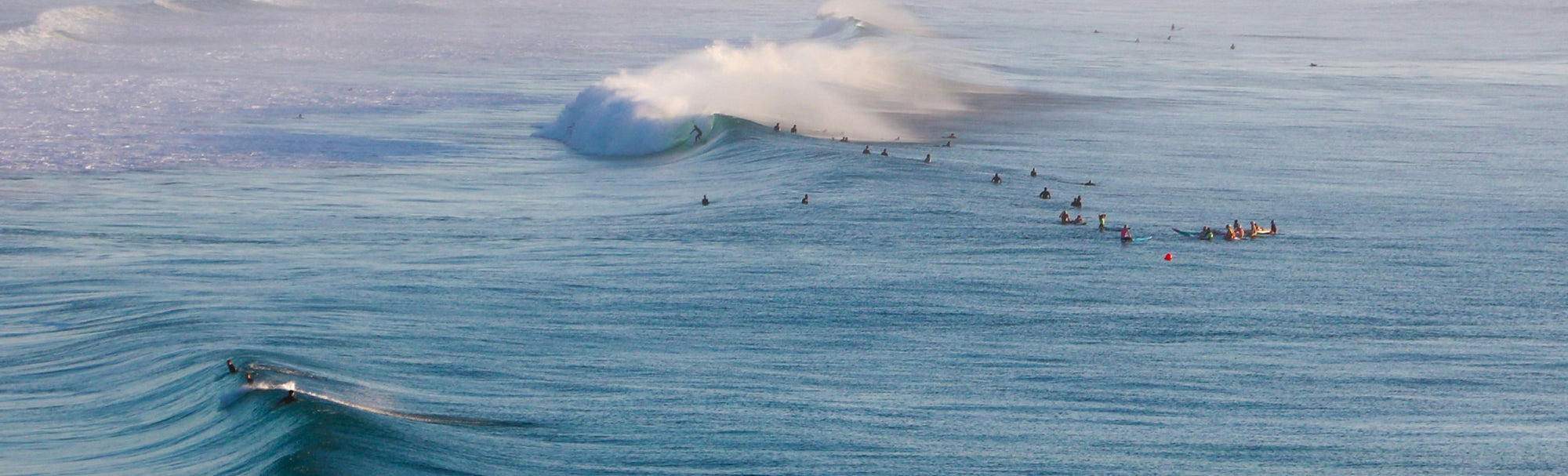
"Surfing is sensual. It's a real-time engagement with the forces of nature, which happen to be echoes of the past (which after all, is all a wave really is). Briefly we defy gravity and ride the energy of storms from elsewhere. We are intensely alone as we do it and yet completely swallowed by something larger that enforces a sense of perspective and connectedness to the natural world."
This is what Australian writer (and lifelong surfer) Tim Winton said in an interview in 2014 with Surfers Against Sewage. It’s a beautiful meditation on the power of the ocean and weather and how surfing intimately connects us with nature. Yet, as Winton observes in the same interview: ‘the health of our seas determines the future of humanity,’ citing the problem of plastics in the marine food chain.
Koala Eco co-founder Paul and sons Emerson and Arthur are keen surfers, whether on the coastlines of Australia or the Americas. Surfing is a vital part of their daily lives. And like so many others who spend time in the water, they, too, have witnessed the growing presence of plastic pollution. A powerful reminder that our connection to nature needs protecting.
From day one, our ethos — More Nature, Feel Better — has guided every decision we make, including how we design our packaging. We chose recycled and recyclable materials, created reusable formats, and offered refill options — all as part of a commitment to sustainability.
But our ambition has always gone beyond sustainability. We’re not just building a responsible business — we’re building an impact-driven one, dedicated to taking real action and supporting wider philanthropic causes that protect the natural world and bring more nature into everyone’s lives.
The scale of ocean plastic pollution is massive — and we knew we had to do more. We had to find a way to actively help our blue planet stay blue.
That’s why we’re partnering with rePurpose Global — a worldwide movement set up by ‘young, passionate millennials and future custodians of the planet’ to address the global plastic pollution crisis.
Through our partnership with rePurpose Global we’re supporting three plastic recovery projects that address the problem of plastic pollution and help local communities, entrepreneurs and artisans collect, process and recycle this waste (encouraging a circular economy).
The largest, Project Laut Yang Tenang, is in West Java, Indonesia. Indonesia is one of the world's largest contributors to ocean plastic waste. The project engages informal waste collectors and aggregators, as well as local waste management micro-entrepreneurs to collect and process ocean-bound, low-value plastics that would otherwise go uncollected, helping protect the coastline home to some of the world's largest marine biodiversity. The southern beaches here are already a hotspot for tourism and surfers, so local communities need support in protecting the beauty and health of their coastlines and ocean culture.
The other projects are Project Bahari Safi in Kenya and Project Sanguisé in Cameroon.
Bahari Safi is based in the Lamu archipelago, a remote region of Kenya’s northeast coast, recognized as a UNESCO Cultural World Heritage Site. Lamu is home to over 60% of Kenya's mangroves, which arefor marine life, coastal stabilisation and water filtration. Known for its calm waters and cultural richness, the island also attracts water sports enthusiasts for kitesurfing, windsurfing, snorkeling, kayaking, and traditional dhow sailing. Through this project, we work with local community members to collect and process plastic waste. Plastics collected through this project are transformed into artisanal products and even traditional sailing dhows, providing income and supporting livelihoods as well as the preservation of local cultural heritage.
Project Sanguisé in Cameroon organises clean ups along rivers and waterways, intercepting plastic waste before it reaches the ocean. Plastic pollution poses a real threat to Cameroon’s emerging surf spots. Community-led cleanups and awareness efforts are central to the project and can make a difference. The collected plastics are sent for recycling and converted into new products like plastic straps.
As ever, we’re grateful to you, our loyal Koala Eco community, because your support helps us carry out this important for-purpose work. All of us, together with rePurpose Global and the communities they support, are helping to address the plastic pollution problem.
[1] https://www.sas.org.uk/updates/tim-winton-interview/
Koala Eco supporting coastal plastic clean-ups
Surfing is sensual. It's a real-time engagement with the forces of nature, which happen to be echoes of the past (which after all, is all a wave really is). Briefly we defy gravity and ride the energy of storms from elsewhere. We are intensely alone as we do it and yet completely swallowed by something larger that enforces a sense of perspective and connectedness to the natural world.
This is what Australian writer (and lifelong surfer) Tim Winton said in an interview in 2014 with Surfers Against Sewage. It’s a beautiful meditation on the power of the ocean and weather and how surfing intimately connects us with nature. Yet, as Winton observes in the same interview: ‘the health of our seas determines the future of humanity,’ citing the problem of plastics in the marine food chain.
Koala Eco co-founder Paul and sons Emerson and Arthur are keen surfers, whether on the coastlines of Australia or the Americas. Surfing is a vital part of their daily lives. And Koala Eco’s goal is to be plastic-neutral: funding the removal or recycling of plastic in places where it’s a critical problem, as well as using rPET for our own products.
So there are deeply personal as well as wider philanthropic reasons behind our latest for-purpose work, partnering with Repurpose Global, a worldwide movement set up by ‘young, passionate millennials and future custodians of the planet’ to address the global plastic pollution crisis.
We’re supporting a project that address the problem of plastic and help local entrepreneurs and artisans repurpose this waste (encouraging a circular economy).
The large, Project Laut Yang Tenang, is in West Java, Indonesia. According to Repurpose Global, Indonesia is one of the world's largest contributors to ocean plastic waste. Koala Eco’s support will go towards helping upskill and formalise the work of informal waste collectors to protect the coastline home of the world's largest marine biodiversity. The southern beaches here are already a hotspot for tourism and surfers, so local communities need support in protecting the beauty and health of their coastlines and ocean culture. This also ensures local communities and surfers can utilise their beautiful coastline and access livelihoods through tourism.
As ever, we’re grateful to you, our loyal Koala Eco community, because your support helps us carry out this important for-purpose work. All of us, together with Repurpose Global and the communities they support, are helping to address the plastic problem.
[1] https://www.sas.org.uk/updates/tim-winton-interview/